The professional wrestling landscape is a constant ebb and flow of performance, perception, and the ever-present pressure to maintain a high level of athleticism and engagement. Within this dynamic arena, opinions from established figures carry significant weight, often sparking debate and offering a unique lens through which to view current storylines and championship reigns. Recently, a prominent voice from wrestling’s past, WWE Hall of Famer Kevin Nash, has voiced his observations regarding the recent in-ring work of current World Heavyweight Champion CM Punk, suggesting a perceived decline in his physical capabilities and questioning his readiness for the arduous demands of a top-tier titleholder. Nash’s comments, delivered on his popular "Kliq This" podcast, have inevitably ignited discussions among fans and industry insiders alike, particularly as Punk is slated to defend his championship against the formidable and rapidly ascending Bron Breakker on the inaugural WWE Raw of 2026, a monumental event scheduled for January 5th in Brooklyn, New York.
Nash, a towering figure from wrestling’s most lucrative era and a key member of the influential "Kliq," possesses a deep understanding of the intricacies of professional wrestling, both as a performer and an observer. His critique of CM Punk’s performance, specifically from a recent episode of Monday Night Raw, centered on what he perceived as a lack of dynamism and a certain lethargy in the reigning champion’s actions. "I watched Punk in the main event of that match last Monday," Nash recounted on his podcast, offering a stark assessment. "Number one: if you’re the Heavyweight Champion of the WWE and you wrestle in a T-shirt – ouch. Number two: his punches looked really slow. He looked slow. I think it’s time for him, I think he’s done. I think Bron should beat him." This sentiment, coming from a veteran who has navigated the physical toll of wrestling for decades, carries a certain gravitas, even if it is met with fervent defense from Punk’s dedicated fanbase. The implication that a champion, especially one as heralded as Punk, might be "done" is a bold assertion, hinting at a belief that the physical demands of maintaining a championship-level performance are becoming too taxing for the veteran performer.
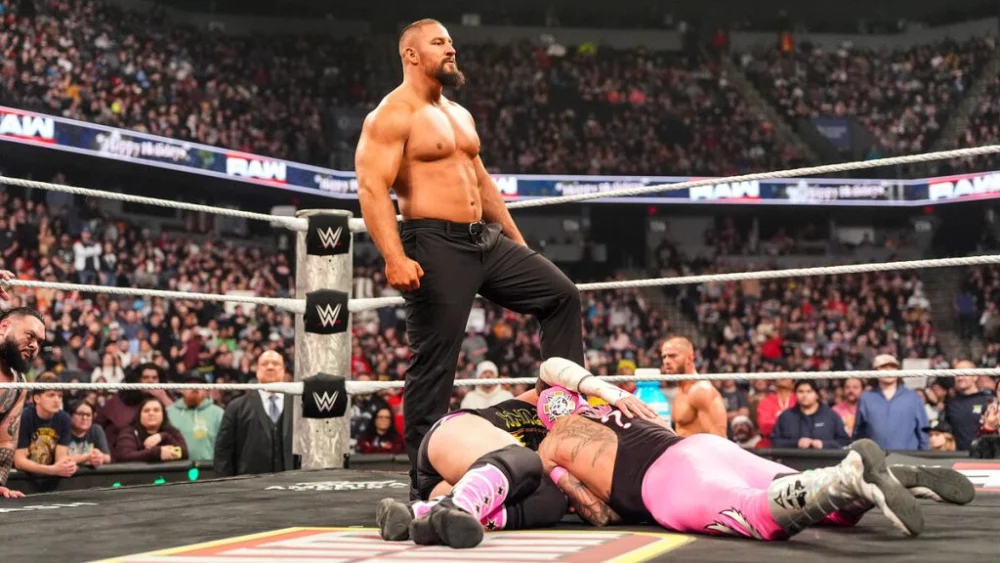
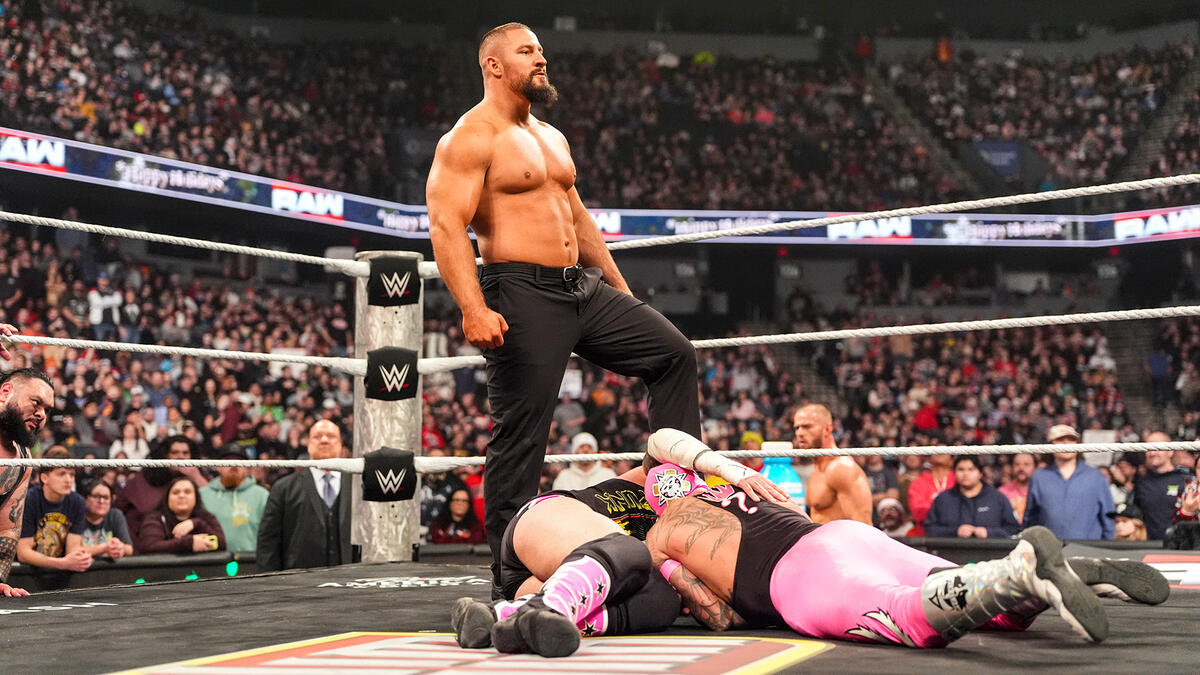
The specific match that drew Nash’s critical eye involved CM Punk teaming with Austin Theory and Bronson Reed against Rey Mysterio and a partner. Following this tag team encounter, the narrative was further advanced by a decisive spear from Bron Breakker, leaving Punk incapacitated and setting the stage for their looming championship confrontation. This sequence of events, the match itself and the subsequent physical confrontation, appears to have been the catalyst for Nash’s commentary, providing him with concrete examples to illustrate his concerns about Punk’s current in-ring presentation. The visual of a champion wrestling in a simple t-shirt, while perhaps a deliberate stylistic choice to project a certain persona, was also noted by Nash as a minor point of contention, suggesting a perceived lack of the traditional, imposing attire often associated with a top champion. This detail, while seemingly minor, underscores Nash’s focus on the overall presentation and aura of a world champion, which he believes should be consistently elevated.
The upcoming championship showdown between CM Punk and Bron Breakker is more than just a standard title defense; it is positioned as a pivotal moment in the build-up to WrestleMania season, a crucial period in WWE’s annual calendar where major storylines culminate and championships are often at stake. The booking of this match on the January 5th episode of Raw is significant, not only for the potential championship change but also for the surrounding fanfare. This particular episode of Raw is also slated to feature a unique crossover event with the immensely popular Netflix series "Stranger Things," a collaboration that aims to capitalize on broader pop culture trends and attract a diverse audience. Furthermore, the broadcast will mark the one-year anniversary of Monday Night Raw’s move to the Netflix platform, adding another layer of significance to the evening’s programming. The inclusion of such high-profile, non-wrestling related elements suggests a concerted effort by WWE to create a truly memorable and impactful episode, where the championship match between Punk and Breakker is intended to be a cornerstone.
Bron Breakker, the challenger, represents the antithesis of the seasoned veteran. A powerhouse with a background in collegiate wrestling and a relentless, aggressive in-ring style, Breakker has quickly ascended the ranks within WWE, establishing himself as a dominant force. His physical prowess, intensity, and raw charisma have made him a fan favorite and a credible threat to any established champion. The prospect of Breakker capturing the World Heavyweight Championship is a tantalizing one for many, signifying a potential shift in the company’s top-tier landscape towards a new generation of stars. His explosive performances and undeniable momentum make him a logical and compelling opponent for CM Punk, especially in a scenario where the veteran champion’s physical conditioning is being called into question. The contrast between Punk’s established, often cerebral style and Breakker’s brute force and unbridled aggression creates a compelling narrative dynamic that is ripe for exploitation.
Kevin Nash’s personal history with CM Punk adds another dimension to his commentary. The two have a shared past within WWE, with Nash playing a role in a significant storyline involving Punk and Triple H back in 2011. This historical connection, while not directly influencing Punk’s current in-ring performance, does lend Nash’s perspective an insider’s familiarity with the inner workings of WWE and its prominent figures. It also highlights the cyclical nature of the wrestling business, where past rivalries and interactions can inform current perceptions and predictions. Nash’s observations, therefore, can be viewed not just as a detached critique but as an informed opinion from someone who has been deeply embedded in the industry for a considerable period. His perspective, rooted in his own experiences and understanding of what it takes to succeed at the highest level, offers a valuable, albeit subjective, evaluation of CM Punk’s current standing.
The debate surrounding CM Punk’s performance and his future as champion is multifaceted. On one hand, Punk is a master of ring psychology, a gifted storyteller, and a performer capable of generating immense crowd reactions. His ability to connect with an audience and convey emotion often transcends the purely physical aspects of his matches. He has a proven track record of delivering compelling performances, even when not at his absolute physical peak, by relying on his intelligence, charisma, and deep understanding of wrestling narrative. His championship reign, while relatively new, has already seen significant moments and has generated considerable buzz. The argument can be made that his experience and veteran savvy allow him to adapt his style, conserving energy while still delivering an effective and entertaining performance.

However, Nash’s critique taps into a broader concern that often surfaces when veteran performers continue to hold top championships. The physical demands of being a world champion in WWE are immense. Frequent travel, grueling match schedules, and the constant pressure to perform at a high level can take a significant toll on the body. For fans and observers like Nash, seeing any perceived diminishment in a champion’s athleticism can lead to questions about their long-term viability in that role. The "T-shirt" comment, while seemingly trivial, could be interpreted as a symbol of a champion who is not presenting himself with the full regalia and imposing presence that might be expected, perhaps indicating a move away from the more physically taxing elements of traditional wrestling attire.
The decision to book CM Punk against Bron Breakker for the World Heavyweight Championship on this particular episode of Raw is a strategic one. It pits a veteran champion, whose perceived physical limitations are being openly discussed, against a young, explosive challenger who embodies raw power and future potential. This dynamic creates inherent drama and raises the stakes considerably. If Punk is indeed showing signs of slowing down, as Nash suggests, then a match against the relentless Bron Breakker presents him with his toughest test yet. The outcome of this match could have profound implications for the direction of the World Heavyweight Championship and the overall narrative trajectory of WWE as it heads into the crucial WrestleMania season.
The "Stranger Things" crossover, while a novel promotional tactic, also serves to amplify the importance of the entire Raw broadcast. By attaching such a high-profile entertainment property to the show, WWE is signaling that this episode is intended to be a significant event, one where the championship match will undoubtedly be a focal point. The success of this collaboration, coupled with the anniversary of Raw’s move to Netflix, suggests a desire from WWE to create memorable moments that resonate beyond the traditional wrestling audience.
Ultimately, Kevin Nash’s commentary serves as a stark reminder of the constant scrutiny that professional wrestlers, especially champions, face. His words, while critical, are born from a deep well of experience and a genuine passion for the art form. Whether CM Punk can silence his doubters and prove that he still possesses the physical prowess to remain at the pinnacle of WWE, or whether Bron Breakker will capitalize on perceived weaknesses and usher in a new era, remains to be seen. The build-up to January 5th, 2026, promises to be a captivating chapter in the ongoing saga of professional wrestling, with the eyes of many, including legendary figures like Kevin Nash, fixed firmly on the World Heavyweight Championship. The narrative surrounding Punk’s reign is reaching a critical juncture, and the clash with Breakker is poised to be a defining moment in this unfolding story.