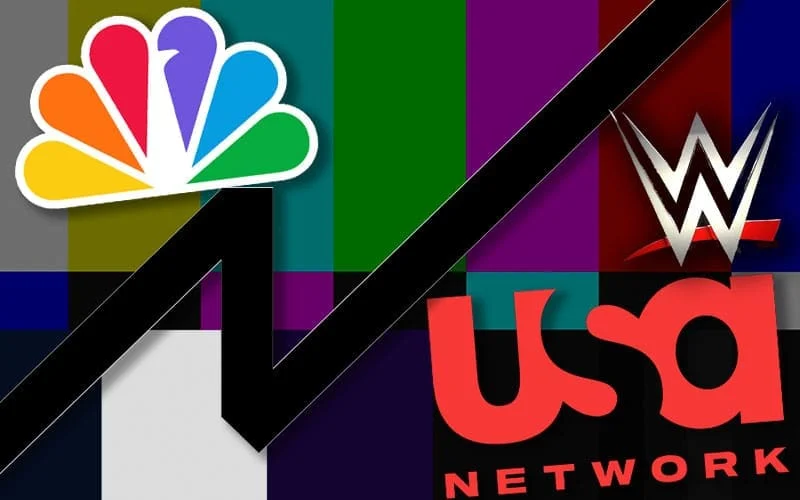
The landscape of professional wrestling has always been deeply embedded within the shifting tides of the broader media industry, as the distribution of sports entertainment remains one of the most valuable commodities in the world of linear television. In a development that signals the end of a foundational era in cable broadcasting, the long-standing corporate marriage between NBC and the USA Network has officially reached its conclusion. This transition was cemented with the public debut of Versant on the NASDAQ, a move that effectively carves out a significant portion of what was previously known as NBCUniversal’s cable division into a standalone entity. For over two decades, the synergy between NBC and USA Network provided a stable and powerful platform for some of the most iconic moments in television history, but the finalization of this spinoff marks a definitive break in a corporate lineage that has defined the modern era of broadcasting. As Versant takes the reins, the industry is left to contemplate what this means for the future of various high-profile properties, most notably the decades-long relationship between the network and the world of professional wrestling.
The bond between the USA Network and professional wrestling is not merely a business arrangement; it is a historical pillar of the industry. To understand the gravity of this corporate separation, one must look back to the early 1990s, an era when the wrestling business was undergoing a radical transformation from a regional, territory-based system into a global entertainment powerhouse. In 1993, the debut of Monday Night Raw on the USA Network changed the trajectory of the sport forever. Broadcasting live from the Manhattan Center, the program introduced a gritty, unpredictable aesthetic that would eventually pave the way for the boom period of the late nineties. During that decade, USA Network was the primary battlefield for the wrestling world, hosting the flagship program that would eventually lead the charge during the celebrated Monday Night Wars. While the show briefly migrated to other platforms at the turn of the millennium, its return to USA in 2005 was heralded as a "Homecoming," reaffirming the network as the natural habitat for the squared circle’s most prominent stars and storylines.
For twenty-one years, the corporate structure supporting these broadcasts was defined by the 2004 merger that brought NBC and Universal together. This consolidation allowed for unprecedented cross-promotion and stability, placing wrestling content alongside major sporting events, prestige dramas, and mainstream news. Under the NBCUniversal banner, the USA Network became a powerhouse of "characters welcome" branding, and the consistent ratings provided by wrestling played a vital role in maintaining the network’s dominance as a top-tier cable destination. The relationship was mutually beneficial, as the network provided the reach and the corporate backing of a legacy broadcaster, while the wrestling product offered a loyal, weekly audience that remained resilient even as the broader television landscape began to fragment due to the rise of digital streaming and on-demand content.
The scope of this new corporate divorce is vast, as Versant is not merely inheriting a single channel but a diverse and influential portfolio of media assets. The list of properties now under the Versant banner includes a wide array of specialized networks such as CNBC, the Golf Channel, Oxygen, E!, and Syfy. Furthermore, the spinoff encompasses digital and cinematic brands that hold significant cultural weight, including the movie ticket giant Fandango and the critical aggregate powerhouse Rotten Tomatoes. By grouping these assets into a new, independent structure, the move signals a strategic pivot in how media conglomerates are choosing to manage their linear cable holdings in an age where streaming services like Peacock often take center stage in corporate priorities. This restructuring allows NBCUniversal to streamline its focus while giving the newly formed Versant the opportunity to navigate the challenges of the modern cable market with a dedicated set of resources and a specific focus on its diverse array of lifestyle, news, and entertainment brands.
Within the context of professional wrestling, the USA Network has served as much more than just a home for a single flagship show. Its history is a tapestry of various brands and formats that have cycled through its programming schedule. While Monday Night Raw is the most famous resident, the network has also been a crucial home for SmackDown during several key periods. Most notably, the "Blue Brand" enjoyed a high-profile stint on the network from 2016 to 2019, a period that saw the reintroduction of the brand split and a renewed focus on live television production. In a full-circle moment for the industry, SmackDown made its high-profile return to USA Network in 2024, once again anchoring the network’s weekly lineup with its unique brand of high-octane action and cinematic storytelling. This return highlighted the enduring value of wrestling content to cable networks that are looking to secure reliable, live viewership in a competitive market.
In addition to the main roster programs, the USA Network played a pivotal role in the evolution of developmental wrestling when it became the live home for NXT in 2019. This move was a landmark moment for the industry, as it transitioned a brand that had previously been exclusive to a niche streaming platform into a national cable contender. The presence of NXT on the network, alongside the established brands, meant that at various points in recent history, the USA Network was the undisputed epicenter of the wrestling world, airing multiple nights of live content every single week. This concentration of wrestling programming helped define the network’s identity for a new generation of fans, making it synonymous with the rituals of weekly wrestling viewership. The legacy of these programs is woven into the very fabric of the network’s history, making the corporate split from NBCUniversal a particularly poignant moment for long-time observers of the business.
As Versant begins its journey as a publicly traded entity on the NASDAQ, the questions regarding the long-term future of these television rights deals become more pressing. While the current agreements for programs like SmackDown remain in place, the change in ownership introduces a new set of variables for future negotiations. Media rights deals are the lifeblood of the professional wrestling industry, providing the massive infusions of capital necessary for global expansion, high-end production, and the signing of world-class talent. In the past, being part of the NBCUniversal family meant that wrestling was part of a larger ecosystem that included the Olympic Games and the NFL’s Sunday Night Football. Now, as a flagship property under the Versant umbrella, the dynamic may shift. Versant will likely look to maximize the value of its most popular assets to satisfy shareholders and establish its own foothold in the marketplace, which could lead to new strategies regarding how these shows are marketed and bundled with other networks like CNBC or E!.
The broader implications of this move also reflect the current state of the "cord-cutting" era. Many large media companies are looking for ways to separate their traditional cable assets from their high-growth streaming ventures. By spinning off USA Network and its sister channels, the parent company can insulate its streaming platforms from the gradual decline of traditional cable subscriptions, while the new entity, Versant, can focus exclusively on the unique challenges of the linear television space. For wrestling fans, this corporate maneuvering might seem distant from the action in the ring, but it ultimately dictates the accessibility and presentation of the product they consume. The financial health and strategic direction of the network owner directly impact everything from commercial load to promotional budgets, and even the potential for cross-over appearances between wrestling stars and other personalities on the Versant roster.
Despite the uncertainty that naturally accompanies any major corporate restructuring, the history of the USA Network suggests a resilience that is well-matched for the current climate. The network has survived multiple eras of the television business, from the rise of satellite TV to the current digital revolution, often by leaning on the reliable drawing power of sports entertainment. The fact that SmackDown returned to the network just as this transition was being finalized suggests that the new leadership at Versant recognizes the intrinsic value of the wrestling audience. Wrestling fans are famously loyal and tend to watch their favorite programs live, a trait that is increasingly rare in an age of DVR and on-demand viewing. This makes the wrestling product an essential shield against the erosion of traditional television ratings, providing a "bulletproof" block of programming that can anchor an entire week of schedule.
Looking ahead, the wrestling world will be watching closely to see how Versant manages its newfound independence. The separation from NBC marks the end of a twenty-one-year chapter that saw the rise of some of the biggest names in the history of the sport and the transition of wrestling into a multi-billion dollar global industry. While the familiar logos and the weekly schedule may remain the same for now, the underlying foundation has shifted. The departure of USA Network from the NBCUniversal portfolio is a reminder that the media landscape is never static. As new players emerge and old alliances dissolve, the only constant is the need for compelling, live content that can capture the imagination of a global audience. The "Characters Welcome" era may be evolving into something new under the Versant banner, but the legacy of the squared circle on the USA Network remains a testament to one of the most successful partnerships in the history of the medium.
As the industry moves forward, the focus will inevitably turn toward the next round of media rights discussions. With WWE’s flagship programs now distributed across a variety of platforms—ranging from traditional cable like USA Network to massive global streaming services like Netflix—the strategic importance of each partner has never been higher. Versant now finds itself in the position of being a primary partner for one of the most valuable brands in entertainment, and how they choose to nurture that relationship will define the next decade of wrestling television. The split from NBC is a monumental change, but for a network that has been the home of wrestling for the better part of thirty years, it is also an opportunity to redefine its place in a rapidly changing world. The ring remains the same, but the corporate office has moved, and with that move comes a new era of possibilities for the future of wrestling on the small screen. In the end, the transition to Versant represents the closing of a historic book and the opening of a brand new volume in the saga of television and professional wrestling.