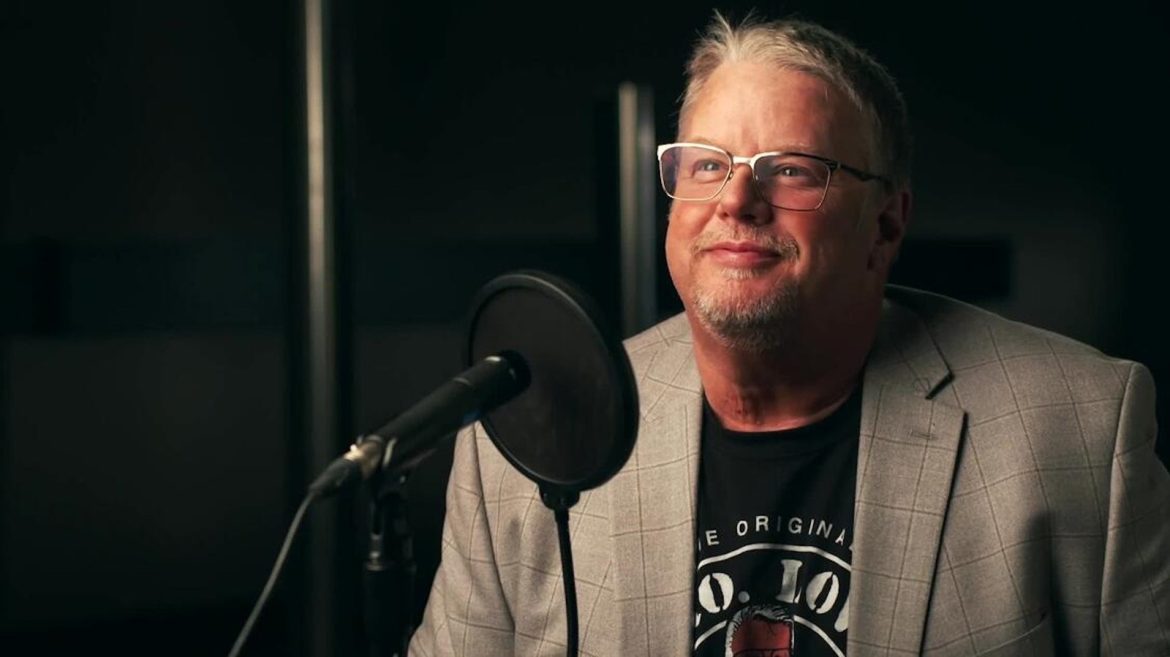
In the fiercely competitive landscape of professional wrestling during the late 1990s, the "Monday Night Wars" between World Wrestling Entertainment (then WWF) and World Championship Wrestling (WCW) reached a fever pitch. This era, characterized by a relentless battle for television ratings and market dominance, saw both promotions employ increasingly aggressive and often theatrical tactics to gain an advantage. One of the most audacious and memorable stunts of this period, an act that pushed the boundaries of kayfabe and reality, involved D-Generation X (DX) making a physical, unannounced appearance at a WCW live event. This wasn’t merely a scripted segment; it was a high-stakes maneuver that carried the genuine possibility of legal repercussions, a testament to the commitment and daring of those involved. Bruce Prichard, a key creative force and executive within WWE at the time, recently shed light on the intricate planning and the profound willingness of everyone involved to face severe consequences, including potential arrest, to execute this groundbreaking segment.
The genesis of this audacious plan stemmed from a creative brainstorming session where the team was exploring how to respond if an opposing promotion were to encroach upon their territory. The historical context of professional wrestling often featured "territorial disputes" between promoters, where talent from one organization might physically confront talent from another to assert dominance or send a message. This old-school mentality, though adapted for the modern era of national television, provided the conceptual framework for what would become the DX invasion. The idea was to flip the script, to demonstrate that WWE was not only willing to defend its turf but also to proactively infiltrate the competitor’s domain, creating a spectacle that would capture the attention of wrestling fans and, crucially, impact the ongoing war for viewership. The strategic genius lay in the sheer audacity of the plan – a direct, physical confrontation staged within the enemy’s camp, broadcast live on national television.
The stars aligned for this ambitious undertaking due to a fortunate geographical overlap. In April of 1998, WWE was scheduled to hold a live event in Hampton Roads, Virginia, while WCW was holding its own show, Monday Nitro, a mere 15 miles away in Norfolk. This proximity presented an unparalleled opportunity to execute a stunt that would have been far more logistically challenging, if not impossible, under different circumstances. The proximity allowed for a swift, coordinated ingress and egress, minimizing the window of opportunity for WCW security or local law enforcement to effectively intervene before the message was delivered. This geographical coincidence was not lost on the WWE creative team; it was the catalyst that transformed a hypothetical scenario into a tangible, actionable plan. The decision was made to seize this opportune moment and deliver a blow that would resonate throughout the wrestling world.
The execution of such a high-risk operation required absolute buy-in from every participant. Bruce Prichard emphasized that there was not a single individual involved who was not fully committed to the potential fallout. This commitment extended far beyond mere performance; it encompassed a genuine readiness for physical confrontation and legal entanglements. The DX members, including Triple H, X-Pac, Road Dogg, Billy Gunn, and Chyna, along with the accompanying crew, understood the gravity of their actions. They were prepared to face whatever challenges arose, from altercations with WCW personnel to the intervention of law enforcement. This collective resolve was crucial, as any hesitation or reluctance would have undermined the impact and potentially jeopardized the entire operation. The mindset was clear: they were prepared to fight, prepared to be apprehended, and prepared for any consequence that arose from their daring raid.
Prichard himself acknowledged receiving specific advisories from WWE’s legal department, cautioning him against entering the WCW premises. This advice, while prudent from a legal standpoint, underscored the very real dangers and potential repercussions associated with the plan. The legal department’s warning served as a stark reminder that this was not just a storyline; it was an act that could have tangible, negative consequences for the individuals involved. However, Prichard, much like the wrestlers he was orchestrating, was willing to put himself on the line. He understood that for the segment to achieve its intended impact, the participants needed to project an image of unwavering boldness, and that included a willingness to embrace the risks, however severe.
The situation escalated when a WCW security guard at the arena, seemingly overwhelmed by the unexpected intrusion, made a frantic 911 call. According to Prichard, the guard’s report was dramatically exaggerated, describing the situation as an attack involving "military weapons." This embellishment, while likely fueled by panic and surprise, resulted in a swift and overwhelming response from local law enforcement. A significant contingent of police cars, sirens blaring and officers drawing their weapons, descended upon the scene. This visual spectacle, the arrival of armed law enforcement in response to a wrestling-related intrusion, amplified the tension and underscored the precariousness of the situation. The line between performance and reality blurred dramatically as the authorities arrived, ready to enforce order.
At this critical juncture, former WCW executive Mike Weber emerged from the arena, intending to address the unfolding chaos. Initially, Weber seemed inclined to pursue legal action, urging for the arrest of the DX members. Prichard, however, met this assertion with a provocative challenge. He famously responded, "Arrest us, please." This audacious request caught Weber off guard. The prospect of arresting prominent WWE personalities, especially in such a public and potentially embarrassing manner, would have been a public relations nightmare for WCW. It would have validated WWE’s narrative and provided them with invaluable ammunition for future storytelling, particularly the hypothetical leaked 911 call that would have painted WCW in a less-than-professional light.
Weber’s realization that Prichard actively desired arrest signaled a strategic shift. The WCW executive understood that apprehending DX would not achieve their desired outcome; instead, it would grant WWE exactly what they were seeking – widespread attention and leverage. The possibility of arrest was a calculated risk that WWE was willing to take, understanding that it could be spun into a victory. If they had been arrested, WWE could have potentially gained access to the 911 call recordings, which, given the exaggerated nature of the report, would have made WCW appear foolish and desperate. This foresight into the potential fallout and the willingness to leverage even negative consequences for promotional gain demonstrated the strategic brilliance behind the entire operation. The desire to be arrested, a seemingly counterintuitive stance, was a shrewd tactical move designed to turn a potential legal entanglement into a public relations triumph.
The DX invasion of Monday Nitro was more than just a daring raid; it was a masterclass in interpromotional warfare and a bold testament to the lengths to which wrestling organizations would go to capture the public’s imagination during the Monday Night Wars. The segment, which saw DX members, clad in military fatigues, arrive in a tank and demand entry into the WCW arena, shouting insults and challenging their rivals, became an iconic moment in wrestling history. It perfectly encapsulated the rebellious, anti-establishment persona of D-Generation X and the hyper-competitive spirit of the era. The fact that the creative team, led by figures like Prichard, was prepared for the possibility of significant legal trouble, including arrest, speaks volumes about their dedication to pushing boundaries and creating unforgettable television. This willingness to embrace risk, to flirt with the line of legality, is what elevated the segment from a simple storyline element to a legendary moment that is still discussed and analyzed decades later. It was a gamble that paid off handsomely, solidifying DX’s legacy and further intensifying the captivating drama of the Monday Night Wars. The echoes of that night in Norfolk, Virginia, where the lines of performance and reality were blurred to the point of potential incarceration, continue to resonate, serving as a potent reminder of the volatile and exhilarating nature of professional wrestling at its peak.