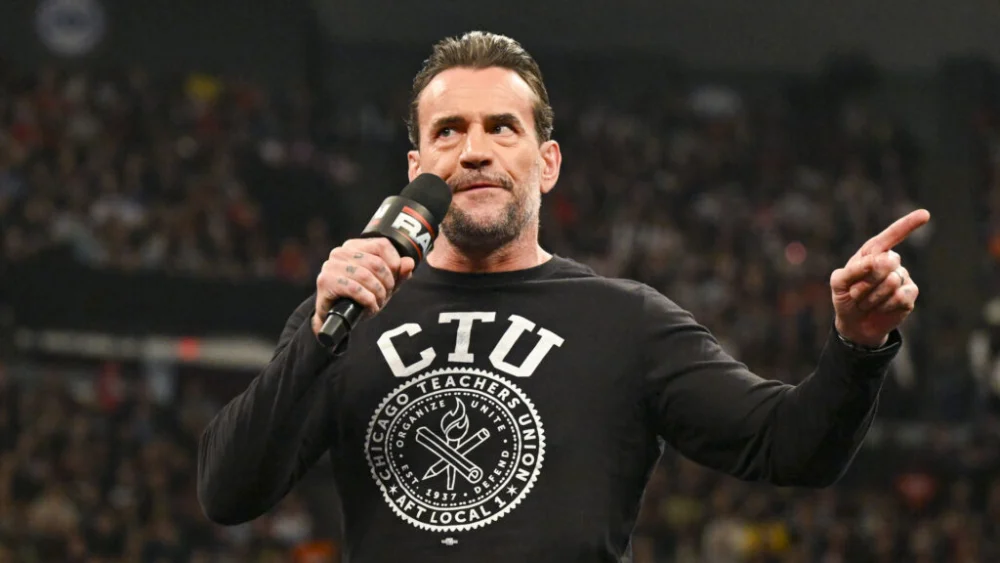
The wrestling world, much like any fervent fandom, thrives on anticipation, speculation, and a deeply personal connection to its narratives and performers. For years, fans have meticulously crafted their dream scenarios, envisioning title changes, epic feuds, and the perfect culmination of long-running storylines. When these carefully constructed mental tapestries are met with an outcome that deviates from their imagined perfection, the reaction can often be swift and vociferous. This phenomenon, a curious blend of passionate engagement and a perceived sense of entitlement to dictate creative direction, is something veteran performer and outspoken personality CM Punk has observed with a discerning, and often critical, eye. He recently offered his perspective on this very topic, drawing parallels between the passionate, and at times overwhelming, responses within professional wrestling and those seen surrounding the conclusion of a major pop culture phenomenon.
Punk, who has navigated the often-turbulent waters of wrestling fandom for over two decades, finds a disconcerting similarity in how audiences react when their meticulously planned outcomes don’t materialize. He articulated this sentiment during a recent promotional appearance for his upcoming cinematic endeavor, speaking on the "My Mom’s Basement" podcast. His commentary extended beyond the confines of the squared circle, delving into the broader landscape of modern fandom and its often-exaggerated expectations. Punk posited that a significant portion of this fervent dissatisfaction stems not from genuine flaws in the creative output, but from a disconnect between a viewer’s personal fantasy booking and the actual execution of the story. He suggested that this tendency to become "angry about everything because it didn’t happen the way they fantasy booked it in their head" borders on a peculiar form of psychological fixation, something he views with a mixture of bewilderment and concern.
The parallels Punk draws to professional wrestling are particularly poignant. In the wrestling sphere, the intricate web of backstage rumors, speculative forum discussions, and online predictions often creates a fervent desire for specific outcomes. When a planned title reign doesn’t occur, a rumored match doesn’t materialize, or a storyline takes an unexpected turn, the backlash can be immediate and intense. Fans feel a sense of betrayal, as if their investment in the unfolding drama has been disregarded. Punk, having been at the epicenter of numerous such fan-driven narratives, understands this dynamic intimately. He sees the same emotional investment, the same yearning for a specific resolution, playing out in other entertainment mediums.
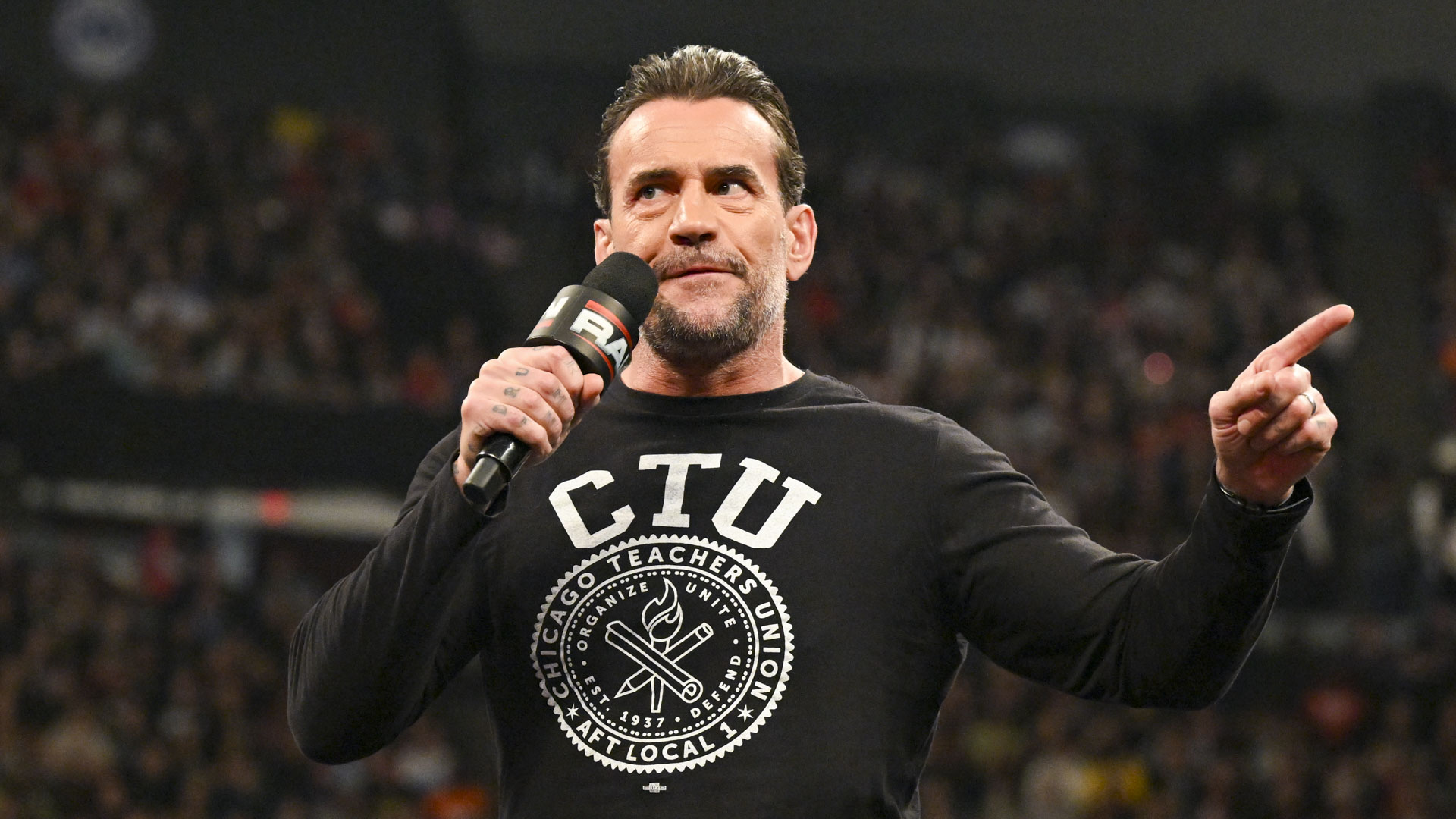
It was this very observation that led Punk to address the recent conclusion of a highly anticipated television series, a narrative arc that had captivated audiences for nearly a decade. The final installment, released on December 31st, 2025, brought to a close a five-season journey that had become a cultural touchstone. Much like the wrestling world, the series finale was met with a tidal wave of reactions, a significant portion of which leaned towards intense criticism. While acknowledging that he is not an obsessive follower of this particular program, Punk has indeed consumed the entire series. His critique of the show’s pacing, specifically the considerable gaps between seasons that can lead to a narrative blur for casual viewers, is a valid point that resonates with many who have experienced similar frustrations with serialized storytelling.
However, it was the epilogue, a substantial segment dedicated to tying up loose ends and providing a sense of closure, that particularly caught Punk’s attention. He described it as "so poetic," a sentiment that stood in stark contrast to the prevailing fan sentiment. For Punk, this extended denouement served as a powerful reflection of the series’ core appeal: a potent dose of nostalgia. He recognized that for many, the series was more than just a television show; it was a journey back in time, a reminder of shared experiences and a comfort in familiar themes. The conclusion, in his eyes, successfully amplified this nostalgic element, offering a satisfying, if perhaps unconventional, wrap-up.
The concept of "stan culture," a term often used to describe an overzealous and sometimes irrational devotion to a celebrity or piece of media, is a significant factor in Punk’s analysis. This culture, he suggests, can foster an environment where criticism is less about objective evaluation and more about a desperate attempt to maintain a perceived ideal. When a creator’s vision diverges from the idealized version that exists within the fan’s mind, the response can be disproportionate. This isn’t to say that fans are inherently wrong to critique; constructive feedback is vital for any form of art. However, Punk points to a concerning trend where the passion for a beloved property can morph into an almost possessive ownership, leading to a sense of entitlement that the creator owes the audience a specific, pre-ordained outcome.
The wrestling industry, with its inherent blend of sport and performance art, is particularly susceptible to this. The ongoing dialogue between performers and audience is a crucial element. However, when that dialogue devolves into demands, and when the audience feels they have a right to dictate the creative direction, it can stifle the very spontaneity and unpredictability that makes wrestling so compelling. Punk, a performer who has often challenged convention and defied expectations, understands the delicate balance between catering to the audience and staying true to one’s artistic vision. He has himself been the subject of immense fan adoration and equally intense criticism, often stemming from the very same fan bases.

His perspective on the "Stranger Things" finale can be seen as a broader commentary on the modern entertainment landscape. In an era where fan theories can spread like wildfire across social media and where every aspect of a production is dissected and debated online, the pressure on creators to conform to audience expectations is immense. While this connectivity can foster a sense of community, it can also create echo chambers where dissenting opinions are amplified, and where the collective desire for a particular outcome can overshadow the creator’s original intent. Punk’s observation that he may have "aged out" of this particular brand of fan reaction is a telling statement, suggesting a generational shift in how audiences engage with and critique popular culture. He seems to imply that the current generation of fans, perhaps more accustomed to instant gratification and a constant stream of content, has developed a different set of expectations.
The long waits between seasons of major television shows, a point Punk explicitly mentions as a valid criticism, exacerbate this issue. The extended periods allow ample time for speculation to fester, for fan theories to solidify into perceived truths, and for the collective imagination to run wild. When the actual narrative finally unfolds, the gap between the imagined and the real can feel immense, leading to disappointment and a sense of being let down. This is a challenge that serialized storytelling, especially in a high-stakes, long-form format, will continue to grapple with.
Punk’s assessment that audiences often "want to be angry" is a provocative one, but it speaks to a psychological phenomenon where the act of complaining becomes a form of engagement. For some, expressing dissatisfaction is a way of demonstrating their deep investment and knowledge of the material. It is a way of asserting their authority as discerning consumers of entertainment. This can be particularly true for franchises that have a long and storied history, where a deep well of lore and past events can be used as a benchmark for evaluating new content.
Ultimately, CM Punk’s commentary serves as a valuable reminder of the dynamic between creators and their audiences. While fan passion is a driving force behind the success of any entertainment property, the line between enthusiastic engagement and an entitled demand for specific outcomes can become blurred. His comparison of wrestling fandom to the reactions surrounding a major television series finale highlights a universal aspect of modern media consumption: the powerful, and sometimes problematic, influence of collective expectation. As audiences continue to engage with and dissect the stories they love, the conversation about creative control, fan expectations, and the delicate art of storytelling will undoubtedly continue to evolve. Punk’s candid perspective offers a thought-provoking lens through which to examine this ongoing dialogue, urging a moment of reflection on why we connect with stories, and how we choose to express our appreciation, or our disappointment. The "poetic" conclusion of a narrative, even one steeped in nostalgia, deserves to be appreciated for its own merits, rather than being judged solely against the unwritten script residing in the minds of its most ardent admirers.