The vibrant spectacle of professional wrestling, once an accessible form of entertainment for families and passionate fans across the socioeconomic spectrum, is increasingly becoming a luxury purchase. The sheer financial barrier to entry for attending a live WWE event has become a significant talking point, drawing attention from wrestling veterans and casual observers alike. The days of affordable tickets, where a family could reasonably budget for a night of larger-than-life characters and thrilling in-ring action, appear to be a distant memory for many. This escalating cost is not merely a minor inconvenience; it represents a fundamental shift in the accessibility of live wrestling, potentially alienating a core segment of the fanbase that has supported the industry for decades. The economics of sports entertainment, while undeniably driven by profit and market forces, are now at a crossroads where the cost of admission is prompting serious reconsideration from potential attendees, leading to a broader conversation about the industry’s relationship with its audience.
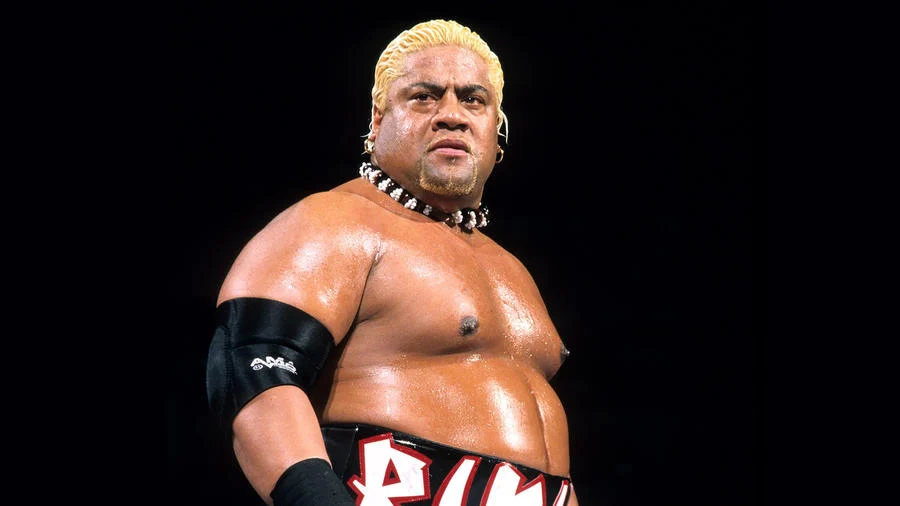
This discussion has been brought to the forefront by figures within the wrestling world itself. One such voice is that of Rikishi, a beloved former WWE Superstar whose distinctive presence and impactful moves left an indelible mark on wrestling history. Speaking on his personal podcast, the former Intercontinental Champion shed light on the current realities faced by those attempting to navigate the ticketing landscape for WWE events. Rikishi, despite his enduring connection to the company through a legends contract, finds himself in a position where even securing complimentary tickets for his own friends and family presents a considerable challenge. This situation is particularly poignant, as it highlights a disconnect between the perceived status of wrestling legends and the practicalities of accessing the very events they once headlined. The expectation of being able to extend the WWE experience to loved ones, a common courtesy in many entertainment spheres, seems to have eroded significantly within the current WWE ticketing structure.
Rikishi articulated his frustration with the absence of complimentary ticket allocations, a benefit he would have reasonably expected to retain. He described the process of attempting to acquire tickets for guests as a non-starter, with the concept of "comp tickets" seemingly relegated to the annals of wrestling history. Even when exploring the possibility of discounts, the figures remain daunting. He painted a stark picture for the average working individual, one who toils through a standard work week, only to find that a family outing to a wrestling show could potentially cost upwards of a thousand dollars per ticket. For a family of five, this translates into an astronomical expense, rendering the dream of experiencing the electric atmosphere of a live WWE event an insurmountable financial hurdle. This reality underscores a critical issue: when the price of admission outstrips the disposable income of the majority of the population, the very foundation of a broad and engaged fanbase begins to erode.

The contrast between the current ticketing prices and those of previous eras is particularly striking. Rikishi recalled a time when attending a wrestling event was a far more attainable endeavor. He reminisced about ticket prices that were significantly lower, often in the range of $25 to $50, with even prime seating likely not exceeding $75. These figures, when viewed against today’s exorbitant costs, highlight a dramatic shift in the pricing strategy. The sentiment expressed by Rikishi is that one now "really got to hit the lottery" just to secure a seat in the nosebleed sections, the cheapest and often least desirable vantage points. This dramatic inflation not only prices out casual fans but also diminishes the value proposition for even the most dedicated supporters, forcing them to make difficult choices about prioritizing their entertainment spending.
The implications of these rising ticket prices extend far beyond individual fan frustration. They touch upon the very essence of what makes professional wrestling a unique cultural phenomenon. Wrestling has historically thrived on its ability to connect with a broad demographic, drawing in fans from all walks of life with its blend of athleticism, storytelling, and larger-than-life personalities. When the cost of admission becomes a prohibitive factor, this broad appeal is inherently diminished. The demographic that can consistently afford to attend live events may begin to skew towards a more affluent segment of the population, potentially altering the overall atmosphere and sense of community at these gatherings. Furthermore, it raises questions about the long-term sustainability of the fanbase. If younger generations are consistently unable to experience the magic of live wrestling due to financial constraints, how will the torch be passed?
The economic forces at play within WWE are complex and multifaceted. As a publicly traded company, there is an inherent pressure to maximize revenue and shareholder value. This often translates into a strategic approach to pricing that seeks to capitalize on demand, particularly for premium events and desirable seating locations. The rise of streaming services, lucrative television deals, and global expansion has undoubtedly increased the overall profitability of WWE. However, this financial success has not been universally reflected in the affordability of the live event experience for the average consumer. The strategy appears to prioritize maximizing revenue from a core, dedicated fanbase willing to pay a premium, potentially at the expense of broader accessibility.
Moreover, the nature of WWE’s product has evolved over the years. The production values have become increasingly sophisticated, with elaborate stage designs, pyrotechnics, and high-definition broadcasting contributing to a more immersive spectacle. While these enhancements undoubtedly contribute to the overall entertainment value, they also come with significant associated costs, which are inevitably factored into ticket pricing. The marketing and branding efforts surrounding major events like WrestleMania also involve substantial investment, further contributing to the financial model that dictates ticket costs.

The concept of "value for money" is also a critical consideration for fans. While ticket prices have soared, the perceived quality and quantity of the in-ring product and overall fan experience can be subjective. When fans are paying premium prices, they often have higher expectations regarding match quality, storyline progression, and the overall atmosphere of the show. Disappointment in any of these areas can exacerbate the feeling of being overcharged, leading to a negative perception of the value proposition. The accessibility of wrestling through other mediums, such as television and streaming, also presents a challenge. Fans can experience WWE programming at a fraction of the cost, making the decision to spend a significant amount on a live event a more scrutinized one.
The commentary from a figure like Rikishi, who has experienced the wrestling business from multiple perspectives – as a performer, a legend, and now as an observer of the fan experience – carries significant weight. His insights are not just anecdotal; they reflect a broader trend observed in the live entertainment industry. From concerts to sporting events, ticket prices have seen a dramatic increase across the board. However, professional wrestling occupies a unique space, historically catering to a diverse audience that may be more sensitive to these escalating costs. The argument can be made that WWE, by pricing out a substantial portion of its traditional fanbase, risks alienating the very individuals who have been instrumental in building its legacy.
The impact of these high ticket prices can also be felt on social media and in online wrestling communities. Discussions about the cost of attending shows are frequent, with fans sharing their experiences and frustrations. This can create a negative buzz that, while not directly impacting immediate ticket sales, can influence long-term fan engagement and perception. The accessibility of fan-generated content, such as match highlights and event recaps, means that fans who cannot afford to attend can still consume wrestling content, albeit in a different format. This further intensifies the debate about the value of a live event ticket.
Looking ahead, the challenge for WWE, and indeed for the professional wrestling industry as a whole, lies in finding a sustainable balance between profitability and accessibility. While premium pricing for top-tier events and desirable seats is understandable, a more inclusive pricing strategy for general admission and less prominent seating could help to ensure that the fanbase remains diverse and engaged. Exploring tiered ticketing options, offering more affordable packages for families, or even implementing loyalty programs that reward long-term supporters could be avenues to consider. The goal should be to foster an environment where the passion for professional wrestling is not a privilege reserved for the affluent, but an accessible joy for all who appreciate its unique blend of sport and entertainment. The continued success of WWE hinges not only on its ability to produce compelling content but also on its commitment to remaining connected to the broad base of fans who have made it a global phenomenon. The voices of those like Rikishi serve as a crucial reminder that the heart of professional wrestling beats strongest when it is accessible to everyone.