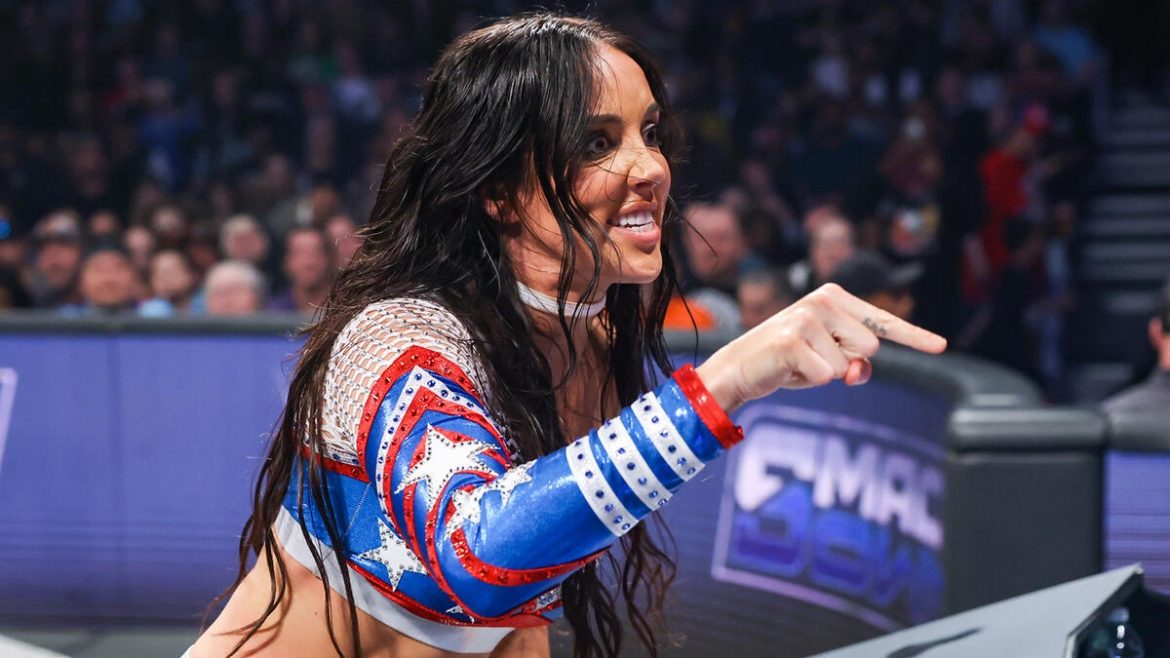
Professional wrestling, a unique blend of athleticism, theatrical performance, and serialized storytelling, has long walked a tightrope between its ardent devotees and the broader entertainment landscape. For decades, the industry meticulously guarded its internal mechanics, maintaining the illusion of competition through a steadfast commitment to kayfabe – the portrayal of staged events as genuine. This sacred tradition, a cornerstone of wrestling’s appeal, has recently found itself under intense scrutiny and reevaluation, particularly with the advent of ambitious projects like Netflix’s WWE Unreal. This docu-series, designed to peel back the layers of the sports entertainment giant, has ignited a fierce debate within the wrestling community, drawing both significant anticipation and considerable backlash. Amidst this swirling discussion, WWE Superstar Chelsea Green has emerged as a vocal advocate for the groundbreaking series, offering a compelling counter-narrative to the criticisms and championing a vision for wrestling’s progressive future in the mainstream.
The historical reluctance to expose the inner workings of professional wrestling stems from a deep-seated respect for its unique artistry. For generations, the mystique of larger-than-life characters and the perceived reality of their feuds were paramount. Revealing the "man behind the curtain" was seen as anathema, a betrayal of the audience’s trust and a sure way to diminish the product’s magic. This traditionalist viewpoint, steeped in the industry’s rich history, holds that the suspension of disbelief is fragile, easily shattered by an overt glimpse into the creative process. Many veterans and purists, conditioned by decades of protecting the business, view Unreal with apprehension, fearing that its exploratory format could inadvertently undermine the very essence of what makes wrestling captivating. The series, even before its full widespread release, has reportedly faced a substantial amount of critical commentary, with some expressing concerns that such an endeavor might dilute the experience for long-time fans who prefer the illusion to remain intact. Even prominent figures within the current WWE roster, such as Seth Rollins, have been noted to hold a complex, perhaps even wary, perspective on the concept of Unreal, hinting at the internal divisions regarding this shift in transparency.
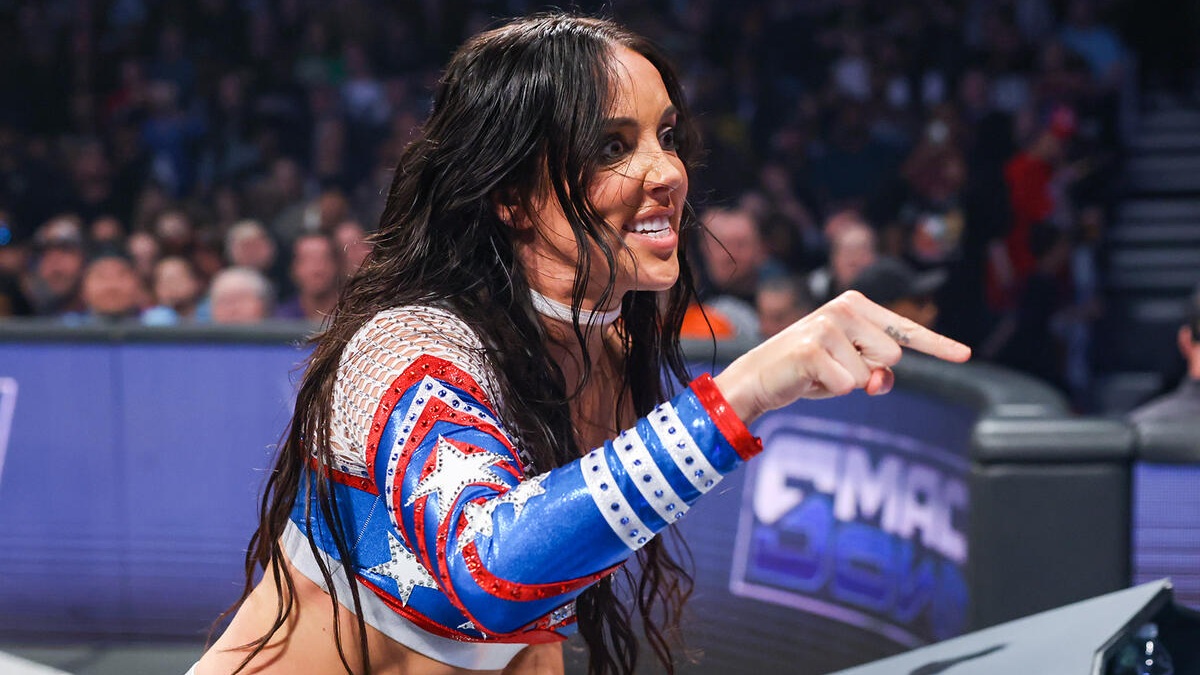
However, Chelsea Green presents a refreshingly modern and pragmatic outlook on this evolving landscape. Her argument is rooted in the fundamental nature of professional wrestling itself: a sprawling, continuous narrative that has captivated audiences for far longer than most episodic television dramas. Green posits that if wrestling is, at its core, the longest-running dramatic saga known to humanity, then an exploration into its construction should be not only permissible but actively encouraged. She challenges the notion that wrestling alone among entertainment mediums must keep its creative process entirely hidden. In an era where behind-the-scenes documentaries, making-of features, and reality television are commonplace across film, music, and conventional television, Green questions why professional wrestling should remain an exception. Her perspective suggests that embracing transparency, rather than fearing it, could unlock new avenues for appreciation and engagement, inviting audiences to understand the intricate craft involved in creating such a enduring and dynamic form of entertainment.
Green’s stance is further bolstered by the undeniable success of past ventures that have dared to offer an "inside look" into the lives of wrestling personalities. She frequently cites Total Divas, a reality television series that aired on the E! network, as irrefutable evidence that audiences possess a genuine appetite for content that pulls back the curtain. Total Divas, which chronicled the personal and professional lives of WWE’s female Superstars, proved to be a significant hit, drawing in a demographic that might not have traditionally tuned into Raw or SmackDown. The show’s popularity demonstrated that fans, both existing and new, were keen to witness the struggles, triumphs, and daily realities of the individuals portraying these characters. It humanized the performers, showcased their dedication, and inadvertently served as a gateway drug for many who then transitioned into becoming regular viewers of WWE’s flagship programming. While Total Divas primarily focused on personal lives and relationships rather than the creative machinations of storyline development, its commercial triumph undeniably validated the concept that revealing more, rather than less, about the people behind the personas could expand wrestling’s appeal and foster a deeper connection with its audience. This history, according to Green, clearly indicates that the appetite for an intimate view into the wrestling world is not a fleeting trend but a proven draw.
A significant pillar of Green’s advocacy for Unreal rests on her assertion that professional wrestling has historically been relegated to the status of a "black sheep" within the broader entertainment and sports industries. It is a peculiar hybrid, blending athletic prowess with theatrical performance, yet it often struggles for full recognition in either realm. Mainstream sports outlets, such as Sports Illustrated, rarely feature wrestling prominently, and prestigious awards ceremonies like the ESPYs often overlook its unique contributions. Similarly, Hollywood and the traditional acting community have historically viewed wrestling with a degree of skepticism, often denying its performers the same recognition or union affiliations (like SAG-AFTRA) afforded to conventional actors, despite the rigorous demands of their craft. This constant struggle for legitimacy, Green argues, has hampered wrestling’s ability to truly branch out and achieve the widespread respect it deserves. A high-profile docu-series on a global platform like Netflix, she believes, offers an unprecedented opportunity to challenge these perceptions. By meticulously detailing the creative processes, the athleticism, the storytelling, and the sheer dedication required to produce weekly live events and premium live events, Unreal could serve as a powerful testament to the complexity and legitimacy of professional wrestling, potentially earning it the mainstream recognition that has long eluded it. It could highlight the performers as skilled artists and athletes, deserving of respect on par with those in other entertainment fields.

Beyond the quest for mainstream acceptance, Green highlights a critical strategic imperative for WWE in supporting Unreal: the acquisition of new fans. Netflix, with its unparalleled global reach and diverse subscriber base, represents an enormous, untapped demographic for professional wrestling. Many Netflix viewers, who may have never considered watching Raw or SmackDown, could stumble upon Unreal out of curiosity for a well-produced docu-series. This exposure, Green contends, is invaluable. By offering an engaging, behind-the-scenes narrative, Unreal has the potential to pique the interest of casual viewers, transforming them into curious spectators who then seek out WWE’s primary programming. The pathway is clear: watch Unreal, become fascinated by the intricate world of wrestling, and then tune into weekly television shows, premium live events (PLEs), and NXT to see the actual product unfold. This strategy aligns perfectly with WWE’s broader vision of expanding its global footprint and future-proofing its audience base in an increasingly fragmented media landscape. In an age where traditional television viewership is declining, leveraging streaming giants like Netflix becomes not just an option, but a vital necessity for cultivating the next generation of wrestling enthusiasts. The benefit, as Green succinctly puts it, is unequivocally positive: more eyes on the product, more engagement, and ultimately, a more robust and vibrant future for the entire industry.
As the debate rages, the specifics of Unreal‘s second season promise to add even more fuel to the fire. Scheduled for release on January 20th, 2026, this installment is set to delve into some truly captivating and revealing angles from WWE’s recent past. Among the confirmed focal points are the intricate details behind Seth Rollins’ "fake injury" storyline, a classic wrestling trope that demands meticulous planning and execution to maintain credibility. The series will also explore the dramatic narrative of R-Truth’s WWE departure and subsequent return, a storyline that captivated fans with its blend of humor, genuine emotion, and a triumphant comeback. Furthermore, Unreal Season 2 is slated to dissect several other significant angles and creative decisions that culminated in the build-up to SummerSlam 2025, offering viewers an unparalleled glimpse into the strategic thinking and on-the-fly adjustments that define WWE’s creative process. The irony of Rollins’ "difficult relationship" with the concept of Unreal while simultaneously being a central figure in its second season’s exploration of kayfabe-breaking storylines adds another layer of intrigue, perhaps highlighting the complex dynamic between a performer’s personal feelings and the business’s evolving demands. The decision to highlight these specific, high-profile narratives demonstrates a commitment by the series to tackle challenging subjects head-on, promising a truly candid exploration of the art of wrestling storytelling.
Ultimately, the discussion surrounding WWE Unreal encapsulates the perpetual tension within professional wrestling: the preservation of time-honored traditions versus the necessity of innovation and adaptation. Chelsea Green’s impassioned defense of the series is more than just an endorsement of a television show; it is a powerful statement about the industry’s trajectory. She advocates for a future where wrestling can proudly showcase its unique blend of athleticism and theatricality without fear of demystification, believing that understanding the craft only deepens appreciation for the spectacle. While the traditionalists may mourn the further erosion of kayfabe, Green and a growing segment of the wrestling world see Unreal as a vital step forward, a bridge to new audiences, and a pathway to greater mainstream legitimacy. The unfolding success or failure of Unreal on Netflix, particularly with its revealing second season, will undoubtedly serve as a critical barometer for how professional wrestling continues to evolve its storytelling, fan engagement, and its place in the global entertainment landscape for years to come. The industry’s ability to navigate this delicate balance between preserving its magic and embracing transparency will ultimately define its future trajectory.