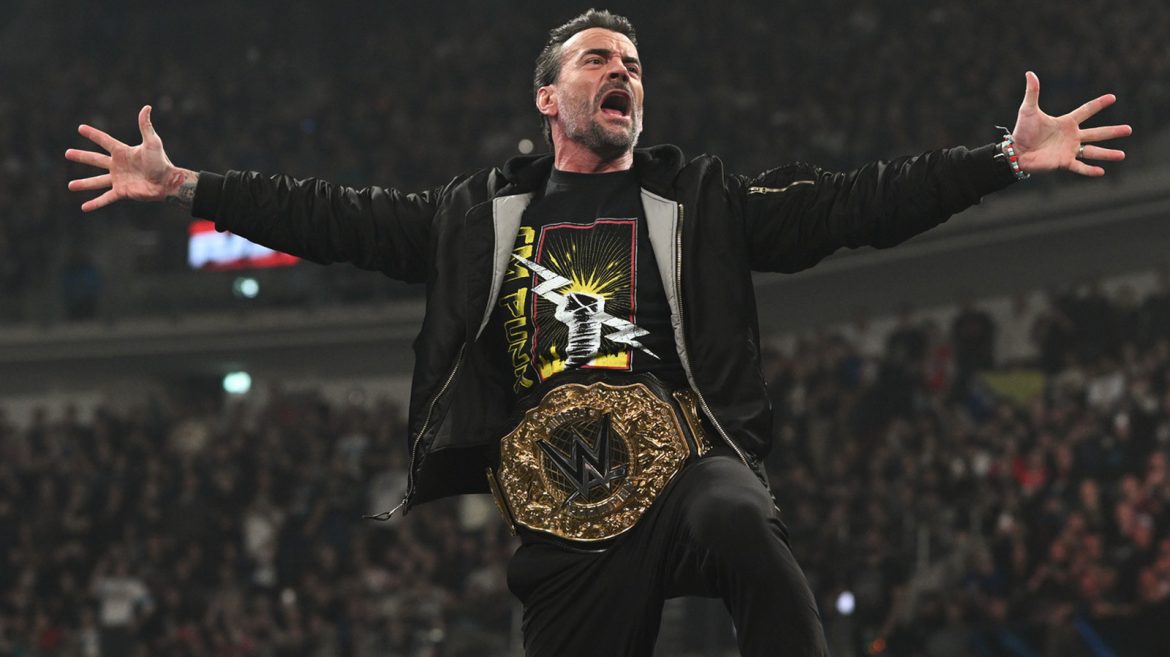
The fervent energy of Dublin, Ireland, played host to the latest installment of WWE Raw, a broadcast that, as is often the case, served up a potent cocktail of anticipation, frustration, and moments of genuine wrestling brilliance. With the Royal Rumble rapidly approaching on the horizon, and the company currently undertaking a European tour, this particular episode aimed to further build momentum, showcase its international talent, and, of course, deliver the weekly dose of drama that fans have come to expect. While the show featured championship defenses and the pronouncements of future Royal Rumble participants, it also underscored the challenges and triumphs inherent in producing a live weekly spectacle of this magnitude. The air in the arena crackled with a unique blend of local pride and global wrestling fervor, a backdrop against which the night’s narratives would unfold, leaving viewers with plenty to dissect as the road to the year’s first major premium live event intensified.
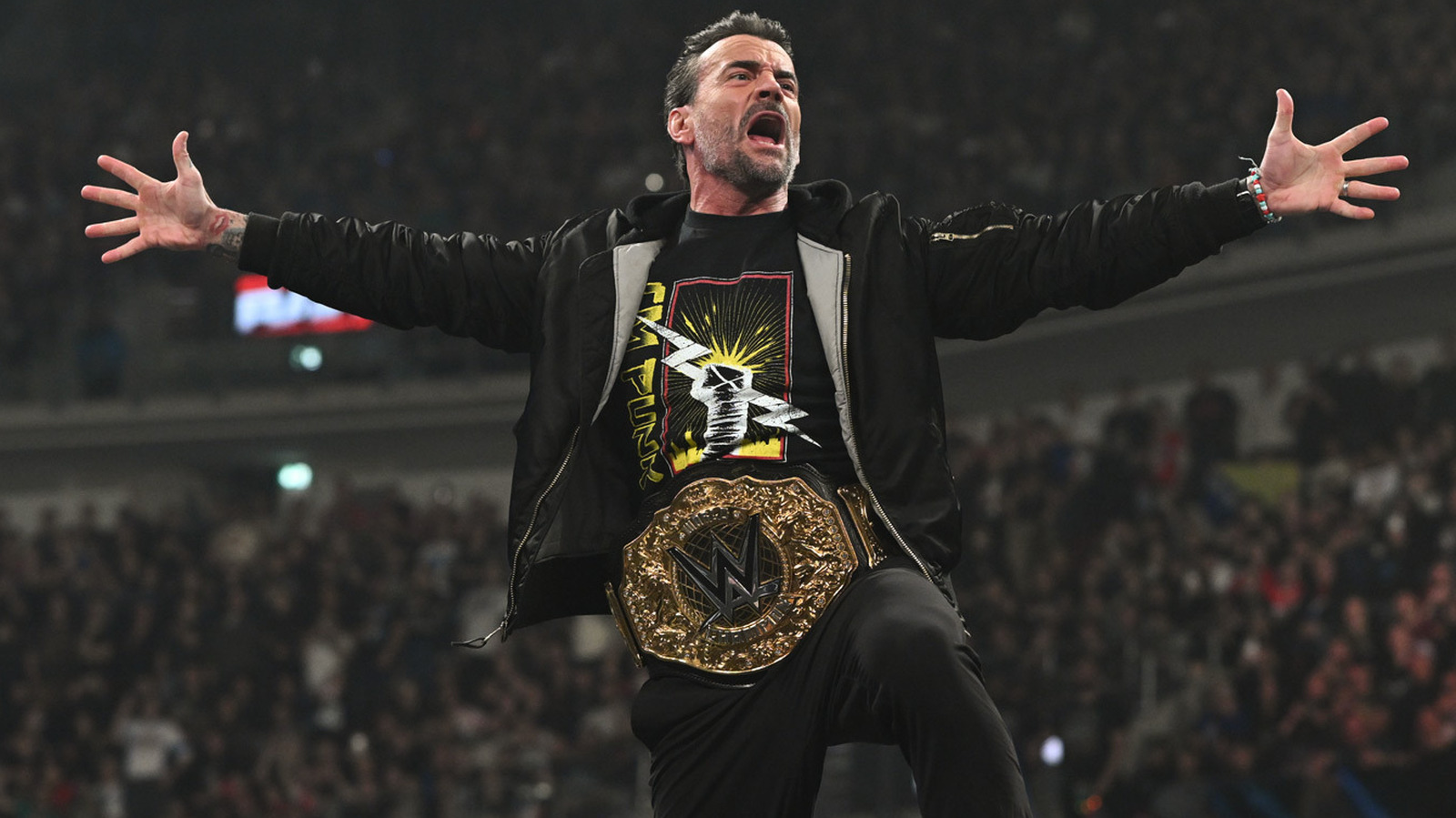
The decision by WWE to broadcast Raw from an international locale, particularly during daylight hours for a significant portion of their global audience, is a strategic move that offers a tangible benefit to fans who are accustomed to dedicating their evenings to the wrestling product. This shift in scheduling, while seemingly minor, injects a different rhythm into the viewing experience. For many, the ability to witness the conclusion of a major wrestling show while the sun is still shining, and with ample time left for personal pursuits, transforms the routine obligation of watching Raw into something more akin to a pleasant afternoon diversion. It’s a small but impactful detail that acknowledges the time commitment wrestling fandom demands, and when coupled with the novelty of seeing the show emanate from a vibrant international city, it adds an extra layer of appeal. The thought of being able to catch up on the week’s wrestling drama and still have the evening free for other activities—be it mundane chores or celebratory outings—is a welcome departure from the usual late-night viewing, especially for those enduring the colder, darker months. This temporal advantage, localized though it may be, offers a refreshing change of pace, allowing for a more relaxed engagement with the unfolding storylines and a greater appreciation for the global reach of WWE.
However, not all aspects of the show resonated with such positivity. The much-anticipated heel turn of Natalya, positioned as a betrayal of her protégé Maxxine Dupri during a Women’s Intercontinental Championship match, fell remarkably flat. The segment, intended to be a dramatic turning point, elicited little more than a muted reaction from the live crowd. Despite Dupri’s earnest efforts and the established narrative of a mentor guiding a rising star, Natalya’s sudden shift in allegiance lacked the necessary foundation to ignite the expected animosity. The issue wasn’t a lack of effort from the performers, but rather a significant deficit in the build-up. For a heel turn to truly connect, especially one involving a veteran like Natalya who had been largely absent from weekly television, a more substantial period of character development or interaction was crucial. The brief backstage encounter between Natalya and Dupri prior to the match was insufficient to establish the depth of their relationship or the motivations behind Natalya’s eventual actions. Consequently, when Natalya intervened, ostensibly to sabotage Dupri’s championship aspirations, the impact was negligible. The absence of a discernible storyline leading to this turn meant that the audience had no established context to grasp Natalya’s intentions, leaving them to question whether jealousy, a calculated strategy, or something else entirely was at play. This lack of narrative clarity resulted in a heel turn that felt unearned and, as a result, failed to generate the desired heat, leaving the segment feeling more like a missed opportunity than a pivotal moment.

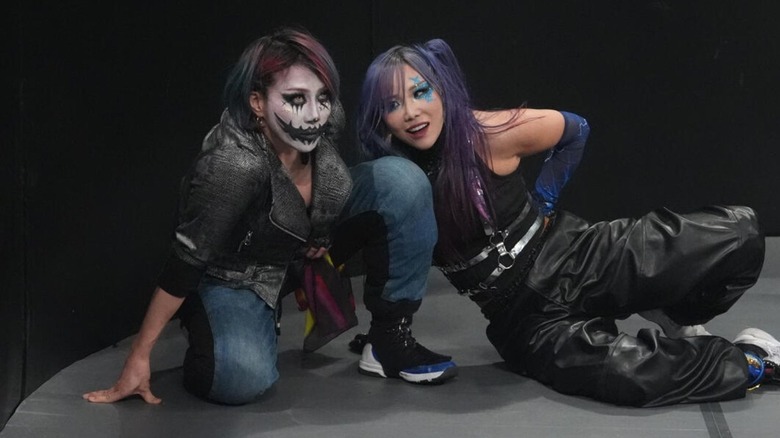
On a more positive note, the simmering tensions within the formidable Kabuki Warriors tag team offered a compelling glimpse into a potential future rivalry. Asuka and Kairi Sane, two immensely talented individuals who have achieved considerable success as a unit, began to exhibit cracks in their partnership during a backstage segment. The dialogue, ostensibly about their recent loss of the Women’s Tag Team Championships, subtly hinted at deeper resentments and individual ambitions. Asuka’s aggressive berating of Sane for perceived failures, drawing parallels to past betrayals within the division, created an atmosphere of unease. What elevated this segment from mere post-match recrimination to something more significant was Sane’s response. Her declaration of ensuring Asuka’s victory in the Royal Rumble, coupled with a subtle, yet deliberate, gesture—a mimed punch held for a beat too long as her partner departed—suggested an underlying agenda. This nuanced portrayal painted a picture of a partnership on the brink, with Sane potentially harboring resentment and plotting her own course. The prospect of a feud between these two powerhouse performers, diverging from the established championship storylines, presents a refreshing opportunity to inject new life into the women’s division. Such a rivalry would not only highlight their individual capabilities but also provide a compelling narrative outside the main title picture, offering a welcome breath of fresh air for fans eager to see these stars shine in new and challenging roles.
The unfortunate injury sustained by rising star Je’Von Evans during his match against El Grande Americano cast a pall over the evening. While injuries are an inherent risk in professional wrestling, the timing of Evans’ setback, so close to major events like the Royal Rumble and WrestleMania, is particularly disheartening. Evans, recently promoted from NXT, had begun to make his mark on the main roster, demonstrating significant potential and adding much-needed depth to the mid-card. His participation in matches, even those not destined for the main event spotlight, was crucial in building his credibility and establishing him as a viable contender. The premature stoppage of his bout, due to an apparent physical issue, was not only a blow to Evans and his immediate storyline but also a detriment to the overall presentation of the show. The interruption drew focus away from the in-ring action and shifted the crowd’s attention to the backstage medical situation, an unavoidable consequence that disrupted the flow of the broadcast. The hope is that Evans’ injury is not severe and will not significantly impede the trajectory of his burgeoning career, as his presence was beginning to feel like a genuine addition to the Raw roster.
Compounding the issues of the evening was an overwhelming barrage of Royal Rumble match declarations, particularly in the latter stages of the show. While it is customary for participants to announce their intentions as the event draws nearer, the sheer volume of these pronouncements on this particular episode felt excessive and diluted the impact of each individual announcement. Several key Superstars, including Jey Uso, Rhea Ripley, IYO SKY, Liv Morgan, Raquel Rodriguez, Bayley, Lyra Valkyria, Kairi Sane, and Asuka, all declared their participation within the span of a single broadcast. This concentration of announcements, especially when crammed into the final hour, resulted in a feeling of saturation, where no single declaration truly stood out or felt particularly special. The strategic placement of these announcements, often in backstage segments, while intended to build intrigue, ultimately contributed to a chaotic and somewhat confusing presentation. The sheer number of participants confirmed for the women’s Royal Rumble match in one night meant that nearly a third of the field was revealed, diminishing the sense of anticipation for future announcements. This approach highlights a potential disconnect in pacing and planning, where the desire to build excitement for the Royal Rumble has led to an overabundance of information being delivered at once, rather than a more gradual and impactful build-up.
Despite the narrative missteps and logistical challenges, the show did offer moments of wrestling execution that were genuinely enjoyable. One such instance involved a match that, despite featuring interference, managed to deliver a satisfying conclusion. In a departure from the typical heel-driven interference that often dominates WWE programming, this particular bout saw babyfaces successfully outmaneuver their opponents. The involvement of General Manager Adam Pearce at ringside, overseeing the proceedings, added an interesting dynamic. The narrative twist, where a babyface like Rey Mysterio utilized a foreign object himself, coupled with the strategic acumen of Pearce in managing the situation, created a refreshing change of pace. While one could argue that the interference was unnecessary, the fact that it was orchestrated by the good guys to overcome a trio of heels provided a welcome subversion of expectations. This storyline, which saw faces outsmarting heels, a less common occurrence in the current wrestling landscape, offered a moment of genuine satisfaction and demonstrated a willingness to deviate from predictable outcomes, making the episode memorable for this positive execution.