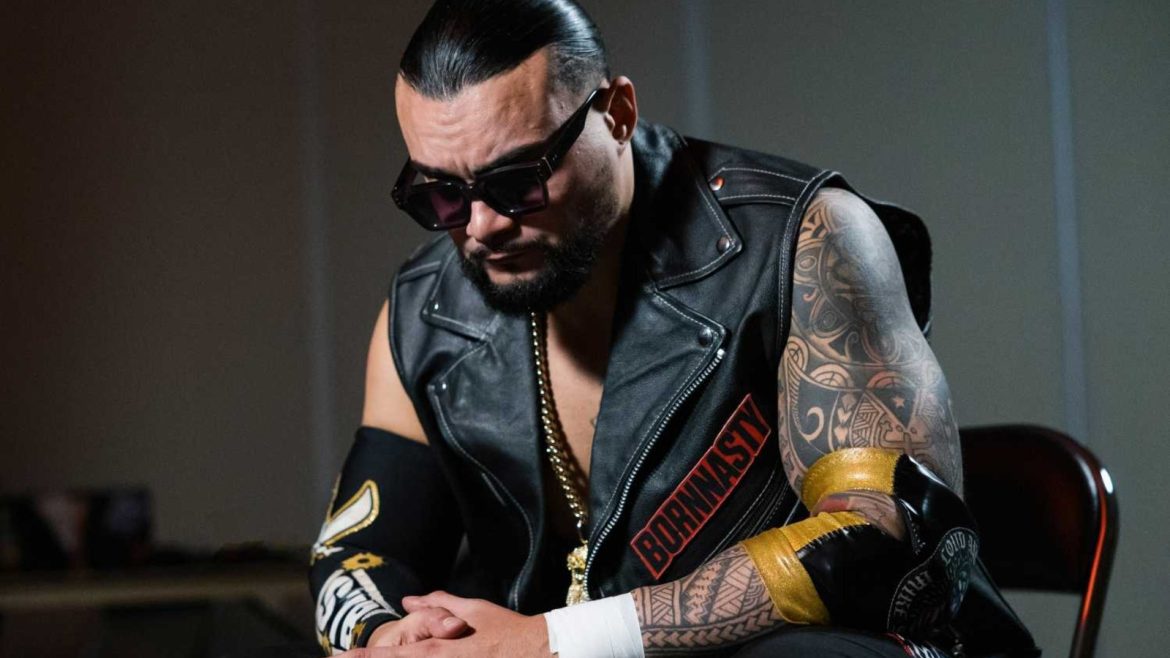
The landscape of professional wrestling is perpetually in flux, a vibrant, often chaotic ecosystem where established giants coexist with ambitious challengers vying for dominance. In this dynamic environment, TNA Wrestling, after a period of significant transition and a strategic rebranding, has landed on AMC, aiming to recapture the attention of a broad audience. The second installment of their relaunched "Impact" broadcast on January 22, 2026, presented a mixed bag of compelling narrative threads, explosive in-ring action, and moments that left fans debating the strategic direction of the promotion. With the dust settling from the recent TNA Genesis pay-per-view, this episode sought to capitalize on the momentum, showcasing new champions, ongoing rivalries, and the introduction of fresh talent. The TNA World Championship picture was firmly in focus, with reigning champion Mike Santana establishing his dominance following a hard-fought victory over Frankie Kazarian at the Genesis event. Meanwhile, the Knockouts Division received a significant jolt with the arrival of Elayna Black, formerly known as Cora Jade in WWE, who wasted no time in asserting her championship aspirations. Beyond these marquee storylines, the show delivered a variety of wrestling matches, including the highly anticipated return of the Feast or Fired stipulation, a captivating singles encounter between Indi Hartwell and M By Elegance, and a main event showdown pitting Mustafa Ali against TNA Tag Team Champion Jeff Hardy. As is often the case in the unpredictable world of professional wrestling, the night concluded with a significant development: The System, a dominant faction within TNA, teased and subsequently revealed its newest member, promising further upheaval and intrigue. To dissect the successes and stumbles of this pivotal episode, we will delve into the key elements that resonated and those that fell short, offering a comprehensive perspective on TNA’s evolving narrative.
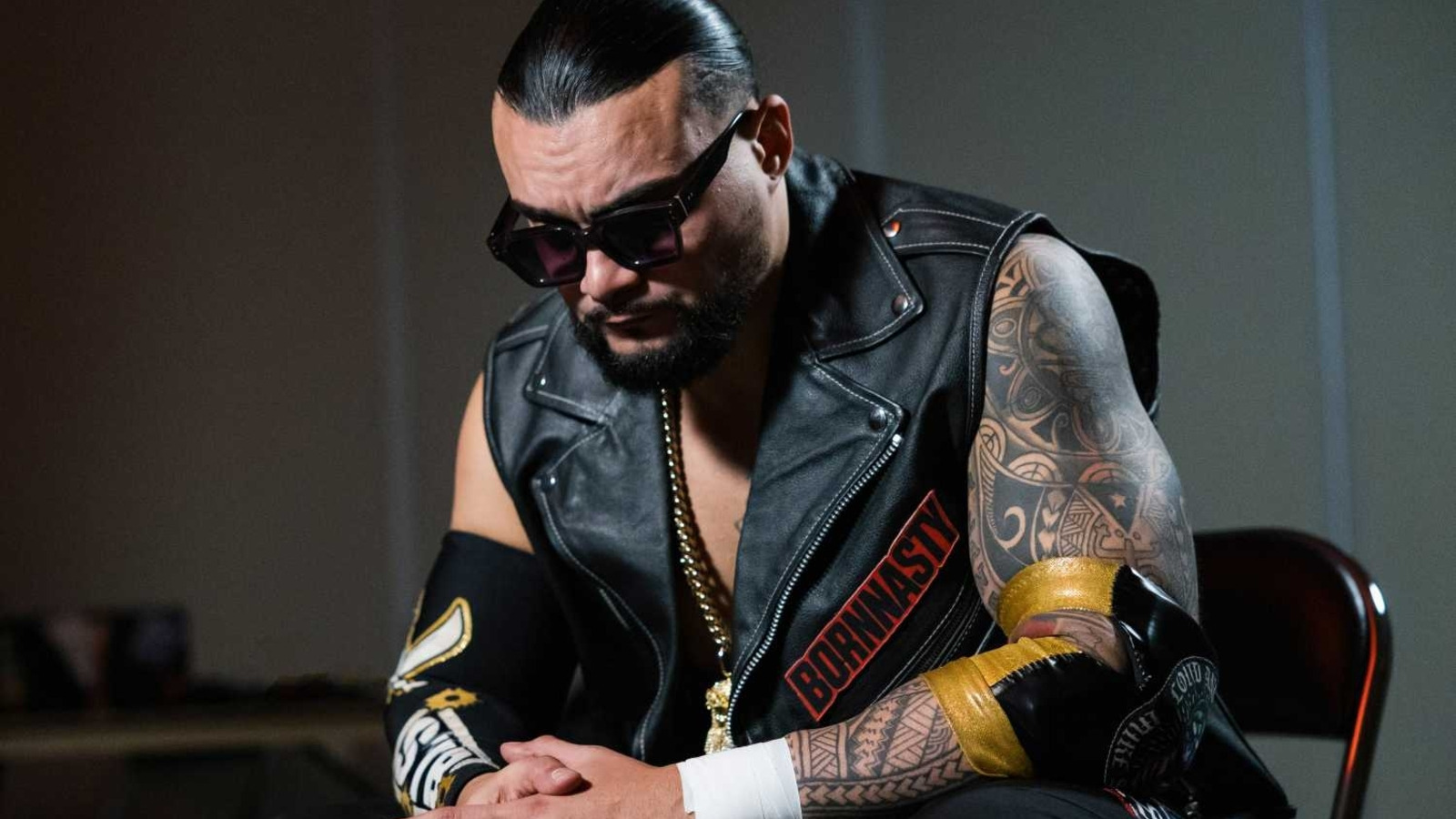
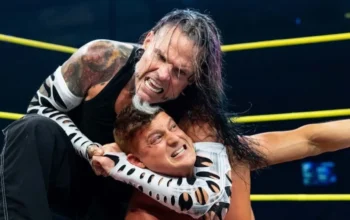
One of the most perplexing booking decisions of the evening was the placement and execution of the main event match. While the contest between Mustafa Ali and Jeff Hardy undoubtedly featured two highly skilled performers with distinct styles, its impact was significantly diminished by the subsequent segment involving The System. In professional wrestling, the main event slot is traditionally reserved for the most critical, high-stakes contest or segment that closes the show and leaves the audience buzzing. The expectation is that this final act will either resolve a pressing conflict or, at the very least, significantly advance a major storyline. However, on this particular episode, the advertised main event, a competitive bout between Ali and Hardy, was seemingly relegated to a preamble for The System’s dramatic reveal and subsequent actions. The narrative arc of The System, which involved the betrayal of former allies Moose and Johnny "Dango" Curtis and the introduction of a new, as-yet-unnamed member, was clearly positioned as the show’s ultimate cliffhanger. While the faction’s machinations are undoubtedly crucial to the ongoing power dynamics within TNA, their placement immediately following the final bell of the main event felt like a disservice to the match itself. It suggested that the outcome of the Ali vs. Hardy encounter, however entertaining, held less long-term significance in the eyes of the creative team than the unfolding drama of The System. This order of operations left many viewers feeling that the true main event had occurred after the advertised one had concluded, diluting the impact of both. Ideally, a program of this nature would allow each significant segment, whether a wrestling match or a crucial narrative development, the space to breathe and command the audience’s full attention. By allowing a post-match angle to overshadow the actual main event, TNA risked undermining the perceived importance of its advertised headliners and creating a sense of narrative imbalance.
Conversely, the resurgence of the Feast or Fired stipulation match proved to be a highlight, injecting a dose of unpredictable excitement into the broadcast. This unique match concept, which has a history of generating both chaos and significant career ramifications for its participants, made a welcome return. The premise involves multiple wrestlers competing to retrieve briefcases suspended above the ring. These briefcases contain various outcomes: a shot at a specific championship, a tag team title opportunity, or, most dramatically, a pink slip signifying immediate termination from the company. The inherent risk and reward associated with Feast or Fired naturally elevate the stakes, transforming a standard multi-man match into a high-wire act of desperation and ambition. The roster of competitors in this year’s iteration – including notable names like Eddie Edwards, Brian Myers, Mance Warner, Rich Swann, Steve Maclin, Eric Young, and the returning Trey Miguel – guaranteed a diverse range of talent and potential storylines. The match unfolded with the expected frenetic energy, featuring impactful brawls, daring dives, and moments of strategic alliance and betrayal. The inclusion of the "Money in the Bank" style cash-in anticipation, coupled with the ever-present threat of unemployment, creates a palpable tension that is difficult to replicate. The narrative threads woven within the match itself, such as the Great Hands faction’s apparent cooperation and the personal animosities between individuals like Mance Warner and Eddie Edwards, added layers to the spectacle. Ultimately, the Feast or Fired match delivered on its promise of thrilling, character-driven action, offering a potent blend of sport and drama that resonated strongly with the audience.
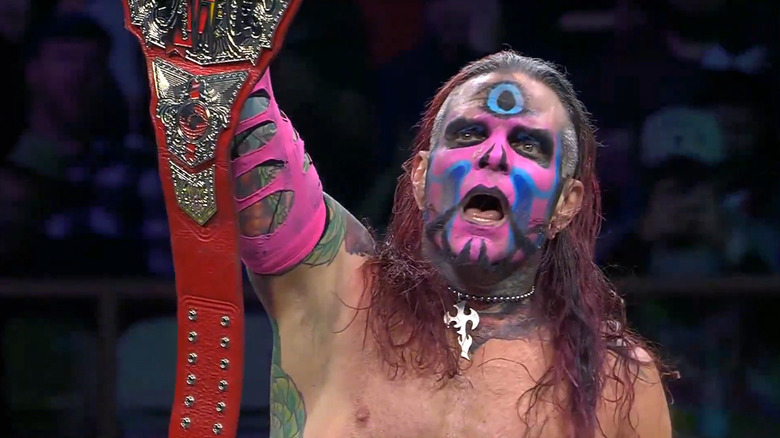
Despite the overall enjoyment of the Feast or Fired match, a lingering concern emerged regarding the perceived inevitability of one particular outcome. While the stipulation is designed to keep fans guessing until the final reveal, the narrative breadcrumbs laid out during the episode strongly suggested that Eric Young would be the one to ultimately receive the pink slip. This predictability, if it materializes as such, would represent a significant missed opportunity for the Feast or Fired concept. The magic of this stipulation lies in its capacity to create genuine suspense and surprise. When the outcome feels telegraphed, the dramatic tension dissipates, and the segment loses a considerable portion of its intended impact. The build-up pointed towards Young as the likely loser based on the career trajectories of the other briefcase winners. Steve Maclin’s contract extension, coupled with Trey Miguel’s re-signing after his departure from another major promotion, solidified their positions within TNA. Eddie Edwards, having played a pivotal role in the post-Genesis fallout by welcoming new members to The System and seemingly ousting Moose, appeared to be deeply integrated into an ongoing storyline that would make his dismissal counterproductive. This confluence of factors left Eric Young as the most logical, and therefore least surprising, candidate for termination. A successful Feast or Fired match should leave the audience on the edge of their seats, genuinely uncertain about who will face the ultimate consequence. When the narrative appears to have a predetermined, obvious conclusion for one participant, it undermines the very essence of the stipulation and detracts from the overall viewing experience.
On a more positive note, the TNA World Champion Mike Santana delivered a promo that elevated his standing within the company to an entirely new level. Following his significant victory at Genesis, Santana’s subsequent address on "Impact" transcended a typical championship monologue. It was a masterclass in delivering an emotionally resonant and deeply personal message that connected with the audience on a profound level. Santana’s journey to the top has clearly been fraught with adversity, including injuries, battles with addiction, and mental health struggles. His willingness to openly share these vulnerabilities, complete with a voice message from his father and a voice strained with emotion, created an immediate and powerful bond with the viewers. This type of authentic storytelling is crucial for establishing a credible and beloved babyface. In a landscape often dominated by larger-than-life characters and elaborate fictional personas, Santana’s raw honesty provided a refreshing counterpoint. He effectively tapped into universal human experiences, allowing the audience to see their own struggles and resilience reflected in his narrative. This is the hallmark of a truly over performer – one who not only commands attention in the ring but also forges an indelible connection with the fanbase outside of it. His declaration of picking himself up "by his boots" after every failure became a powerful mantra, symbolizing a spirit of perseverance that resonated deeply. This promo didn’t just solidify his reign; it transformed him from a champion into a relatable hero, positioning him as a cornerstone of TNA’s future.
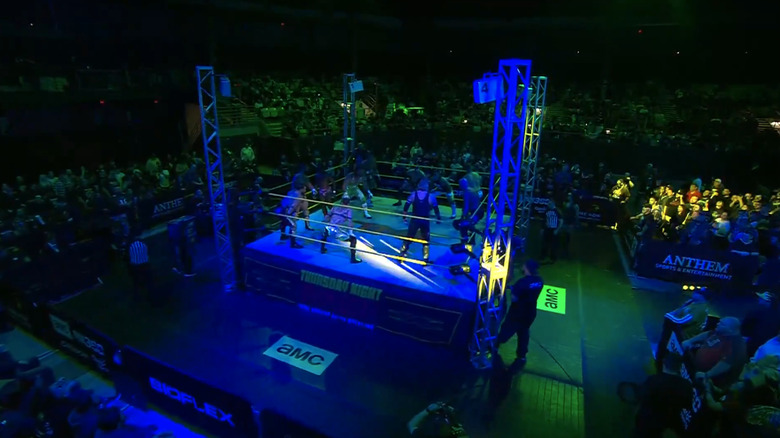
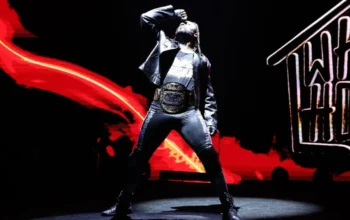
In stark contrast to Santana’s impactful address, Elayna Black’s in-ring segment was a significant letdown, offering very little substance. Black, a highly anticipated acquisition for TNA, arrived with considerable buzz, her past experience in WWE and on the independent circuit preceding her. Expectations were high for her post-debut presence, particularly after a strong initial introduction. However, her segment on this episode of "Impact" proved to be remarkably hollow. A promo, even a brief one, is an opportunity to establish character, articulate motivations, and set forth a clear path forward. Black’s address, clocking in at a mere two minutes, failed to achieve any of these objectives. Her declaration of intent to pursue the Knockouts World Championship, while understandable, lacked any concrete details, specific targets, or a compelling strategy. It was a statement of ambition devoid of the necessary framework to make it engaging or impactful. The lack of development here is particularly concerning given the Knockouts Champion, Lei Ying Lee, was involved in a separate storyline with The Elegance Brand. This created a disconnect, as the champion was engaged elsewhere, leaving Black’s aspirations feeling somewhat detached from the immediate landscape. A more effective approach would have involved either a more substantial promo, a direct confrontation with Lee or another key figure, or at least an interruption that would have initiated a new feud and provided Black with an immediate antagonist. Without these elements, her segment felt like a missed opportunity to capitalize on her arrival momentum, leaving fans questioning the direction and purpose of her current storyline.
Finally, the wrestling match between Indi Hartwell and M By Elegance, while perhaps deserving of more time, showcased the impressive talent present in TNA’s women’s division. Hartwell, a proven performer with a history in WWE, demonstrated her signature hard-hitting style, engaging in a physical and competitive bout against the enigmatic M By Elegance. The contest itself was a testament to the skill and dedication of both women, delivering a brand of action that was both gritty and compelling. While the post-match angle involving The Elegance Brand, which saw Ash by Elegance orchestrate a deceptive maneuver against Hartwell, Lee, and Xia Brookside, felt somewhat conventional for a heel faction’s tactics, it did little to detract from the quality of the wrestling that preceded it. The primary critique of the match was its brevity; in the fast-paced world of televised wrestling, segments often feel rushed when they are cut short. A few more minutes would have allowed Hartwell and M to further develop their respective arsenals and build a more intricate narrative within the ring. Nevertheless, the match served its purpose admirably, highlighting the athleticism and competitive spirit of the Knockouts roster and leaving viewers with a positive impression of the talent involved. It underscored the potential for compelling women’s wrestling within TNA, a crucial element for any promotion looking to establish a well-rounded and appealing product.