The electrifying atmosphere of Montreal, Quebec, has always provided a unique backdrop for professional wrestling, and the January 23, 2026, edition of Friday Night SmackDown was no exception. From the moment the arena lights dimmed, signaling the arrival of the blue brand, it was clear this would be a night where the future collided with the present, and long-simmering rivalries reached a boiling point. With a pivotal premium live event looming, the stakes were incredibly high, setting the stage for a broadcast brimming with championship drama, personal confrontations, and a significant shift in the tag team landscape. The evening served as a potent reminder that in WWE, every week is an opportunity for a star to be made, a title to change hands, or a legacy to be forged, and Montreal delivered on all fronts.
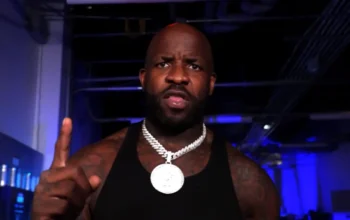
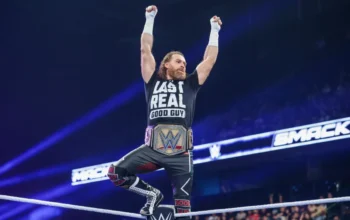
The initial wave of crowd enthusiasm reached a fever pitch with the entrance of Montreal’s own Sami Zayn. The "Underdog from the Underground" received a hero’s welcome, a deafening roar of approval that underscored his enduring connection with his hometown faithful. However, the adulation was swiftly, and dramatically, interrupted by the arrival of Trick Williams. The rising sensation from NXT, whose entrance music immediately generated its own powerful sing-along from the audience, quickly pivoted the crowd’s energy from adoration to animosity as he began to address Zayn. Williams, radiating confidence, wasted no time in asserting his perceived dominance, a bold move considering Zayn’s veteran status and the partisan crowd. This audacious display solidified Williams’ burgeoning heel persona, demonstrating his innate ability to command attention and elicit strong reactions, regardless of the audience’s initial leanings. His physical presence, charismatic delivery, and meticulously crafted persona have propelled him into the main roster conversation with remarkable speed, a testament to the comprehensive package he brings to the squared circle. The exchange escalated when Williams’ bold pronouncements prompted a retort from Zayn, who, ever the sagacious mentor, suggested that Williams still had many years, perhaps five, ten, or even fifteen, before he might truly realize his full potential at the pinnacle of the industry. This subtle yet pointed jab highlighted the generational gap and the respect, or lack thereof, between the two competitors. The tension further mounted with the intervention of Damian Priest, who physically intimidated Williams, only for the upstart to retaliate with a swift, unexpected microphone strike to Zayn, cementing his villainous intentions and adding another layer of complexity to the unfolding drama surrounding the impending Fatal 4-Way match. The segment was a masterclass in character development, showcasing Williams’ rapid evolution from a popular newcomer to a genuinely detestable antagonist.
Later in the program, the reigning champion, Drew McIntyre, offered his unfiltered thoughts on the quartet of challengers vying for a shot at his championship. The "Scottish Warrior," ever the pragmatic and brutal truth-teller, dissected each potential opponent with characteristic intensity. He delivered a surprising, almost paternal, endorsement to Trick Williams, encouraging the young talent to seize his moment, an unexpected acknowledgment from the usually cynical champion. However, his tone shifted dramatically when discussing Damian Priest, promising a career-ending confrontation if their paths were to cross again, a stark warning delivered with chilling conviction. For Randy Orton, McIntyre expressed a dismissive disdain, characterizing the "Viper" as a shadow of his former self, a legend whose prime had passed, rendering him no genuine threat. Yet, it was Sami Zayn who bore the brunt of McIntyre’s most venomous verbal assault. The champion launched into a deeply personal tirade, cruelly labeling Zayn a profound disappointment, even going so far as to invoke Zayn’s family in his scathing critique. This intensely personal attack resonated deeply, strongly implying that a future championship clash between Drew McIntyre and Sami Zayn was not just probable, but an almost inevitable narrative trajectory, fueled by a desire for both vengeance and vindication. McIntyre’s promo masterfully established the emotional stakes for the upcoming title contention, painting a vivid picture of the psychological warfare at play before a single bell had even rung.
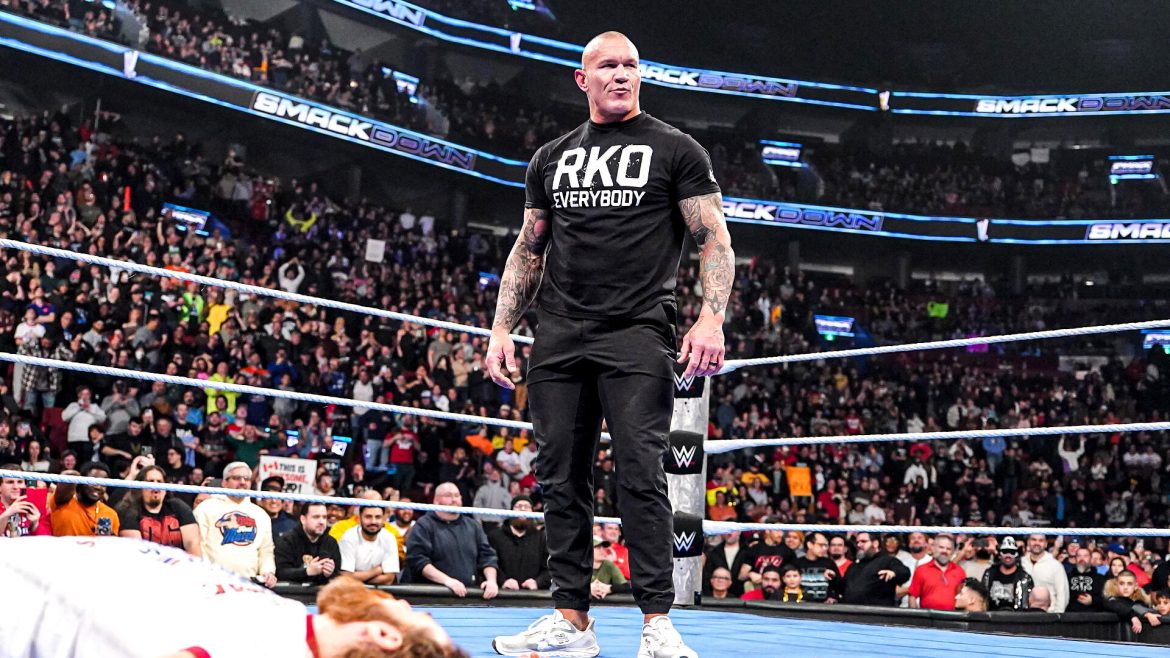
The night’s main event segment was designed to provide a tantalizing glimpse into the chaos awaiting audiences at the upcoming premium live event. The four principal contenders – Sami Zayn, Trick Williams, Damian Priest, and Randy Orton – found themselves embroiled in a multi-man contest that, while ultimately concluding without a definitive winner, served its purpose in showcasing the combustible chemistry between the participants. The match unfolded with a frenetic energy, each competitor eager to assert dominance and gain a psychological edge. The action built steadily, with near-falls and dramatic reversals keeping the Montreal crowd on the edge of their seats. As the contest reached its crescendo, it appeared Trick Williams was poised to emerge as the last man standing, a crucial momentum builder for the ambitious newcomer. However, in a signature moment that instantly ignited the arena, Randy Orton materialized from seemingly nowhere, delivering a thunderous RKO that brought the entire building to its feet. The unexpected "Viper" strike left Williams incapacitated, momentarily clearing the path for Orton to claim the spotlight. The post-match pandemonium continued to unfold, culminating in a tense, prolonged face-to-face confrontation between the "Legend Killer" and the hometown hero, Sami Zayn. The air was thick with anticipation as the two veterans stared each other down, a silent battle of wills playing out before the capacity crowd. The inevitable outcome, delivered with brutal precision, was another emphatic RKO from Orton to Zayn, leaving the "Underdog" laid out and establishing Orton’s firm claim to being a top contender, despite McIntyre’s earlier dismissals. This chaotic conclusion perfectly encapsulated the unpredictability of the Fatal 4-Way dynamic and effectively amplified the anticipation for the official championship challenger bout.
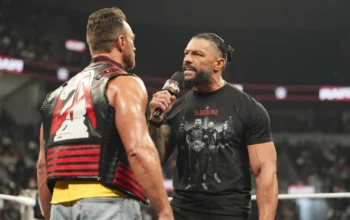
Beyond the intricate web of championship contention, another major storyline unfolded with the highly anticipated face-off between "The American Nightmare" Cody Rhodes and the menacing new force, Jacob Fatu. Rhodes, a perennial fan favorite still navigating the emotional aftermath of his quest for the WWE Championship, initially attempted to steer the conversation away from his recent title struggles and triumphs. However, the seasoned interviewer, Michael Cole, deftly pressed Rhodes, urging him to delve into the very real and impactful interference by Jacob Fatu that had undeniably cost him the coveted WWE Championship. This pointed line of questioning forced Rhodes to confront the painful reality of his recent loss. Before Rhodes could fully articulate his frustrations, Jacob Fatu himself emerged, a formidable and imposing figure, flanked by WWE security personnel, underscoring his dangerous reputation and the company’s efforts to maintain order. The two adversaries sat across from each other, a palpable tension filling the arena, as Fatu, with his intimidating presence, stared down the former champion. The segment quickly veered into deeply personal territory, with Rhodes directly challenging Fatu about his past legal troubles, referencing his time "locked up." In a remarkable display of character depth and resilience, Fatu not only acknowledged his difficult history but powerfully reframed it. He spoke of his younger, more misguided days, his journey through adversity, and his emergence from the "mud" to become a responsible father and a dominant force in professional wrestling. This candid admission, delivered with raw honesty, transformed what could have been a damaging revelation into a compelling narrative, legitimizing Fatu’s menacing persona by showcasing his ability to overcome personal demons. Rhodes ultimately brought the focus back to the core of their burgeoning rivalry, expressing his unequivocal fury over Fatu’s direct involvement in his championship loss. He then delivered a defiant declaration, asserting his unique status in the industry: "they don’t make ’em like me no more; hell, they never made ’em like me." This segment was pivotal, effectively establishing Jacob Fatu as a legitimate, formidable threat within the WWE ecosystem, leveraging his real-life struggles to enhance his on-screen credibility and setting the stage for an intense, personal feud with one of WWE’s biggest stars.
The night also saw a significant shift in the tag team division, as the nefarious MFTs, represented by Solo Sikoa and Tama Tonga, challenged the enigmatic Wyatt Sicks duo of Dexter Lumis and Joe Gacy for the coveted WWE Tag Team Championship. This clash brought together two factions known for their unique, often chaotic, approaches to competition and storytelling. The Wyatt Sicks, with their unsettling presence and unconventional tactics, have carved out a niche as purveyors of psychological warfare, while the MFTs, an offshoot of the revered Anoa’i family, embody a more aggressive, brute-force dominance. The championship encounter itself, however, struggled to fully capture the dramatic potential inherent in such a confrontation between these two distinct groups. While the match featured the expected elements of interference and distractions, trademarks of both factions, the overall narrative felt somewhat disjointed, failing to fully capitalize on the rich, character-driven potential of the storyline. The finish, however, was decisive and undeniably controversial. As the referee’s attention was diverted, Solo Sikoa seized the opportunity, utilizing the iconic Wyatt Sicks lantern as an improvised weapon, striking Dexter Lumis with it. This illicit maneuver created the opening for Tama Tonga to secure the pinfall victory over Lumis, thus crowning Solo Sikoa and Tama Tonga as the new WWE Tag Team Champions. The MFTs, in a symbolic act of conquest, also absconded with the lantern, leaving the defeated Wyatt Sicks without their signature artifact. While the title change itself was impactful, the execution of the match and its conclusion left some yearning for a more cohesive and emotionally resonant narrative, despite the clear implications for the future of both factions.
As the Montreal crowd dispersed, the lingering energy of the night underscored the dynamic state of Friday Night SmackDown. The broadcast was a potent blend of escalating rivalries, surprising developments, and a clear direction for several key players. From the meteoric rise of Trick Williams, who seamlessly transitioned from fan favorite to undeniable antagonist, to the renewed, dangerous intensity of Randy Orton, the championship picture is brimming with potential. Drew McIntyre’s cutting remarks have not only fueled his own heel persona but also laid the groundwork for deeply personal feuds. The compelling, emotionally charged confrontation between Cody Rhodes and Jacob Fatu has ignited a new, high-stakes rivalry, positioning Fatu as a legitimate, top-tier threat who has successfully leveraged his personal narrative into compelling television. The WWE Tag Team Championship changing hands, albeit controversially, signals a new era for the division under the MFTs’ reign, while also leaving the Wyatt Sicks with a compelling new layer of grievance. This episode of SmackDown effectively built anticipation for upcoming events, meticulously weaving together disparate storylines into a cohesive, forward-moving narrative tapestry. The blend of established legends grappling with their evolving legacies and the relentless ascent of new, hungry talent ensured that the blue brand continues to offer compelling, must-watch programming. The journey to the next premium live event promises to be an exhilarating one, with multiple championships and reputations hanging in the balance, all shaped by the dramatic events that unfolded in the passionate heart of Montreal.