The landscape of professional wrestling is perpetually in flux, a dynamic ecosystem where established titans and burgeoning contenders vie for audience attention. TNA Wrestling, a promotion with a storied and often tumultuous history, finds itself in a significant phase of its journey, now broadcasting its flagship program, "Impact," on AMC. The recent January 29, 2026, episode offered a compelling, albeit mixed, snapshot of the promotion’s current trajectory. While flashes of brilliance illuminated the broadcast, persistent issues continued to cast shadows, leaving viewers with a spectrum of reactions ranging from genuine enthusiasm to profound disappointment. This installment of "Impact" served as a potent reminder that TNA, despite its new television home and renewed ambitions, still grapples with fundamental challenges in presenting a consistently polished and coherent product, while simultaneously showcasing moments that underscore its unique potential within the crowded wrestling world.
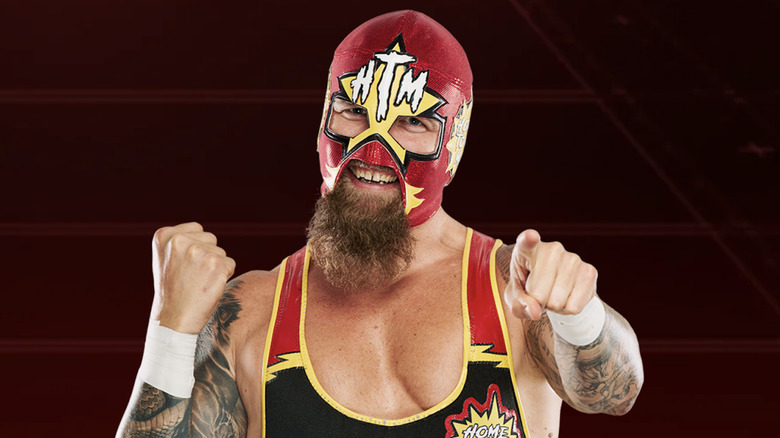
One of the most striking positives from this particular episode was the vibrant re-emergence of "The Home Town Man," a character brought to life by Cody Deaner. In an era often dominated by hyper-serious combatants and intricate, multi-layered storylines, Deaner’s masked persona injected a much-needed dose of unadulterated, old-school wrestling fun. The character embodies the spirit of a bygone era, a throwback to the carnival barkers and colorful personalities that once formed the bedrock of the industry. His segment against TNA International Champion Channing "Stacks" Lorenzo, accompanied by the ever-entertaining Arianna Grace, was a highlight. The Albuquerque crowd, far from being passive observers, embraced Deaner’s flamboyant antics with gusto, creating an electric atmosphere. Lorenzo and Grace, channeling a distinct Southern-style charm reminiscent of past managerial duos, proved to be an effective foil, their characters developing into a compelling presence. While the match itself might have extended slightly beyond the typical duration for a comedic wrestler, the crowd’s fervent response validated the segment’s effectiveness. The Home Town Man’s character serves as a potent symbol of TNA’s inherent strength: its willingness to embrace the quirky, the eccentric, and the wonderfully anachronistic. In many ways, TNA has historically thrived when it taps into this vein of entertainment, a tradition that dates back to the surreal and groundbreaking "Broken" Hardy characters and even earlier, to the promotion’s embrace of unique, almost sideshow-esque talents. The Home Town Man isn’t just a character; he represents the heart and soul of what TNA can be at its most authentic and engaging, a promotion that feels like a vibrant, slightly off-kilter indie darling for the entire nation.
Conversely, a persistent and deeply concerning issue that plagued this episode, and indeed many recent TNA broadcasts, is the perplexing lack of a clear, unified identity for the promotion. After four consecutive weeks of dedicated viewing and analysis, a distinct sense of what TNA truly stands for remains elusive. While there are undeniable glimmers of excellence – the strong performances of World Champion Mike Santana or the high-octane dynamism of X-Division Champion Leon Slater, for instance – much of the programming feels like a disjointed attempt to recapture past glories or, worse, to emulate elements that perhaps never truly resonated in the first place. The narrative threads on display felt reminiscent of the less inspired periods of late 2010s WWE. The feud between Elijah and Mustafa Ali, while featuring talented individuals, lacked a compelling hook. The storyline involving Nic Nemeth and the faction known as BDE, stemming from a perceived slight during a video game session, felt trivial and underdeveloped. Similarly, the main event pitting AJ Francis against Rich Swann, while competently executed as a wrestling match, lacked the dramatic stakes necessary to truly captivate the audience. This pervasive lack of direction is particularly frustrating given TNA’s over two-decade history. Despite numerous resets, rebrands, and roster overhauls, the promotion continues to struggle with defining its core identity. It exists in a peculiar state of developmental infancy while ostensibly operating as a fully-fledged professional wrestling entity. Each attempt at a fresh start seems to fall short, leaving TNA perpetually searching for its narrative compass and failing to shed the lingering stigma of past criticisms. While there are moments that momentarily capture attention and suggest a more promising future, these are too often overshadowed by a return to familiar, less effective patterns, hindering TNA’s ability to carve out a distinct and lasting niche in the wrestling landscape.
Amidst the broader identity crisis, TNA’s continued embrace of intergender wrestling stands out as a bold and commendable differentiator. In an era where mainstream wrestling promotions often shy away from pitting male and female athletes against each other in a direct competitive context, TNA consistently provides a platform for these encounters. This willingness to explore intergender dynamics was particularly evident on the January 29th broadcast, where multiple storylines incorporated such elements. While not every segment reached the pinnacle of storytelling, the sheer prevalence of intergender wrestling on TNA programming is a significant factor that sets it apart from its peers. The promotion has, in many ways, become a trailblazer for this style of wrestling within the Western wrestling scene. The episode featured several instances of male and female talent interacting and competing, offering a glimpse into the potential for more diverse storytelling. Two notable segments involved romantic entanglements: Alisha Edwards’ conflict with her partner Eddie Edwards, and Arianna Grace’s disagreement with Channing "Stacks" Lorenzo. While these particular storylines might not have been the most groundbreaking, their inclusion, especially two similar, yet unrelated, conflicts within a single broadcast, highlights TNA’s comfort level with booking intergender narratives. More compelling were the storylines that pitted male and female talent in direct opposition. The burgeoning alliance between Jada Stone and Elijah against the faction Order Four, spearheaded by Mustafa Ali, showed promise for future intergender confrontations. The early interaction between Nic Nemeth and Mara Sade, where Nemeth unceremoniously attacked Sade, was a stark illustration of TNA’s willingness to portray such interactions openly. This willingness to showcase men and women competing on equal footing, driven by skill and narrative tension, holds the potential to foster greater equality in professional wrestling. By demonstrating that men and women can engage in compelling matches without prejudice, TNA could be making significant strides toward normalizing intergender competition and, by extension, promoting a more inclusive vision of the sport.
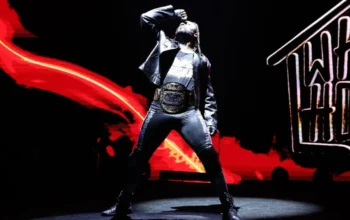
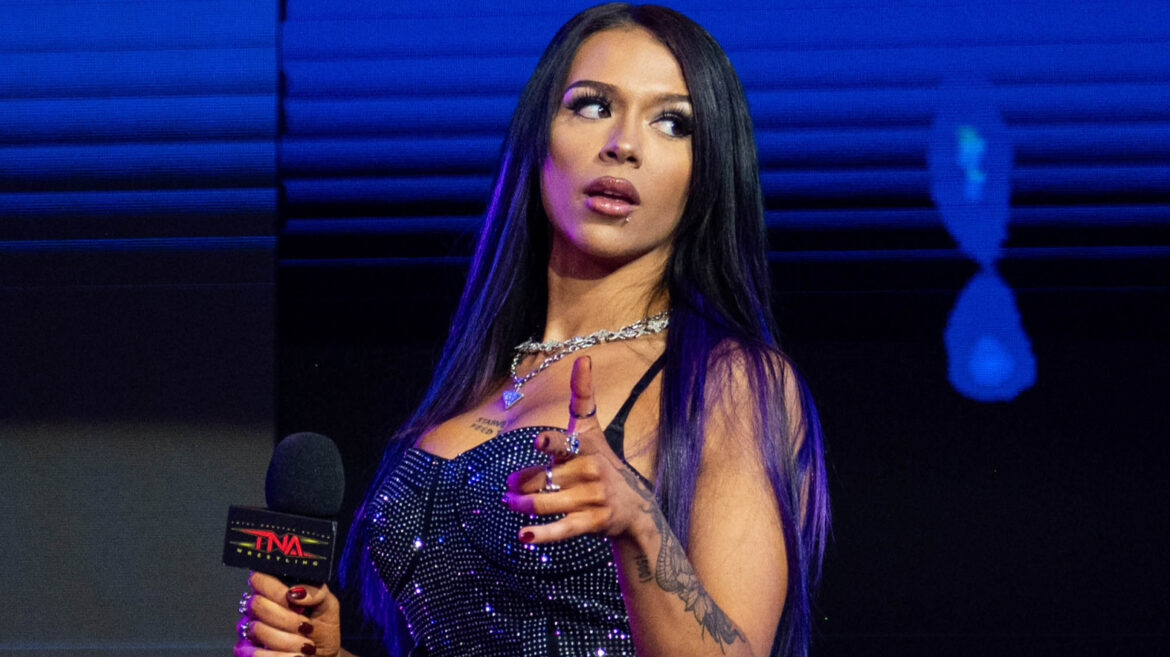
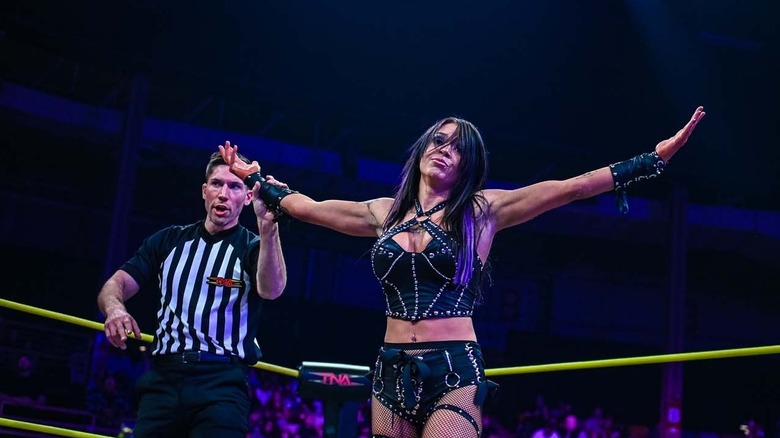
However, the decision to present Elayna Black’s debut match as a decisive squash was a questionable creative choice. Black, a talent already familiar to TNA audiences from her previous stint as Cora Jade and her prior appearance in a Knockouts Championship match, was reintroduced to the TNA faithful in a contest against Ruthie Jay. While Black dominated the offensive proceedings, Jay exhibited a surprising degree of confidence and poise in her performance. Daria Rae, Black’s on-screen manager, made repeated assertions about Black’s marketability, even claiming to have been present in meetings where Black’s value was discussed. The match concluded swiftly, failing to even extend through a commercial break. Given Black’s established presence and the audience’s prior familiarity with her capabilities, this brief squash felt anticlimactic. It’s a missed opportunity to showcase her wrestling acumen in a more substantial manner. While the intention might have been to immediately establish Black as a formidable contender, likely with the Knockouts Championship in her sights, a longer, more competitive bout against an unsigned talent could have achieved the same objective while providing a more engaging viewing experience. The sole women’s match on the card, along with Tasha Steelz’s interference in a men’s match and a brief backstage altercation, underscored a concerning trend of the women’s division receiving limited spotlight. As TNA continues to find its footing on AMC, a more robust and equitable allocation of screen time and meaningful storylines for the Knockouts is essential for the division’s growth and overall appeal.
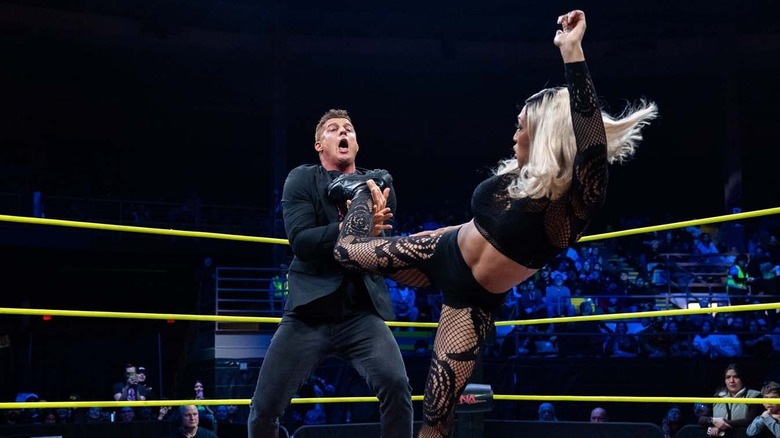
Despite the organizational shortcomings, the opening contest between Nic Nemeth and BDE (BrandonDoesEverything) proved to be a bright spot on the card. For BDE, who was participating in his 25th professional wrestling match, facing a veteran of Nemeth’s caliber—a former TNA World Champion with over 2,000 matches to his name—was an immense opportunity. Nemeth, renowned for his passionate and often theatrical selling, delivered a masterclass in storytelling within the ring. His reactions to BDE’s running knee were particularly effective, drawing the audience into the match and creating a genuine sense of suspense. The subsequent frog splash from BDE had many, including this observer, convinced that an upset was imminent. Nemeth’s kick-out from the move generated an exciting false finish, a testament to the well-executed sequence. The eventual conclusion saw Nemeth counter BDE’s springboard cutter with his signature "Danger Zone" (formerly the Zig Zag) maneuver, a fluid and visually impressive maneuver that sealed the victory. This opening bout served as an excellent example of the veteran star elevating an emerging talent. The narrative of the seasoned competitor versus the hungry up-and-comer was compelling, and the match’s strong finish left audiences clamoring for a potential rematch, with BDE seeking to even the score against "The Wanted Man." It was a testament to Nemeth’s ability to craft engaging matches and his willingness to invest in the development of newer talent.
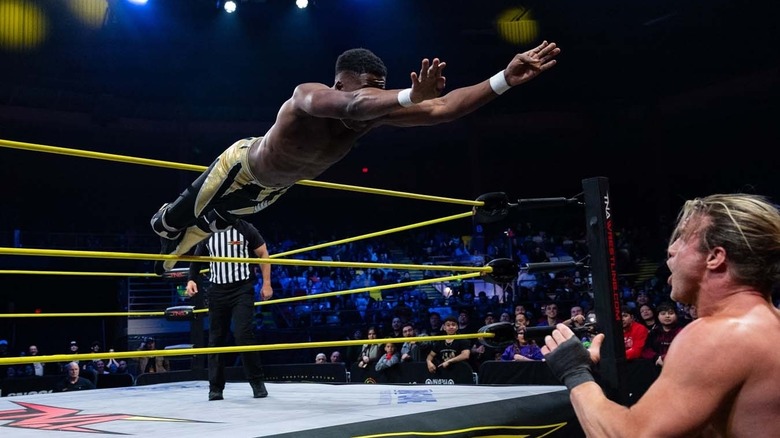
The persistent issue of subpar production values continued to detract from the overall viewing experience. Despite TNA’s new broadcast deal with AMC, a network with a history of prestige programming, the show’s presentation often felt amateurish, echoing the production snafus that have plagued the promotion for years. On this particular episode, glaring technical issues were evident. A camera’s white balance was clearly off, resulting in overhead shots where the wrestling ring appeared to be a different color from the rest of the set. Backstage segments suffered from compromised audio quality, with one segment featuring the Elegance faction sounding as though it were recorded inside a tin can. It is perplexing that TNA, a company that has seen significant investment and has been championed by prominent figures within the industry, continues to deliver a product that feels so unpolished. The fact that "Impact" is a taped show, affording ample time for post-production and refinement, only exacerbates the frustration. Unlike live broadcasts that are subject to the pressures of immediate airing, TNA has the luxury of time to meticulously iron out these technical glitches. Yet, these recurring issues suggest a lack of attention to detail and a disregard for presenting a high-caliber product. This inconsistency in production quality makes it difficult for TNA to be taken seriously as a major player in the professional wrestling landscape, undermining its efforts to establish a credible brand identity and appeal to a broader audience. The constant presence of these "minor league" production elements undermines the narrative and diminishes the impact of the wrestling itself, leaving viewers questioning TNA’s commitment to delivering a truly "big league" experience.