The air in Riyadh was thick with anticipation, not just for the impending spectacle of the 2026 Royal Rumble, but for the final WWE SmackDown broadcast before the colossal event. As the blue brand touched down in Saudi Arabia, the weight of expectation was palpable. This was the last chance to inject urgency into storylines, to plant seeds of doubt, and to build the final surge of momentum for the matches that would define the early year for WWE. The episode promised a blend of high-stakes championship action, glimpses into simmering rivalries, and the ever-present possibility of unexpected turns. However, as the three-hour runtime unfolded, the broadcast presented a curious dichotomy, offering moments of genuine brilliance alongside segments that felt disappointingly inert, leaving viewers to dissect the good, the bad, and the utterly forgettable.
One of the most glaring criticisms leveled against this edition of SmackDown was its overarching inertia. For a go-home show leading into one of WWE’s "Big Four" premium live events, the broadcast felt remarkably devoid of significant narrative progression. The established pattern of WWE’s flagship shows often falls into a predictable rhythm, and this particular SmackDown seemed to adhere to that blueprint with a notable lack of ambition. While the anticipation for the Royal Rumble itself was a powerful underlying current, the individual segments and matches failed to capitalize on this, often settling for standard fare rather than impactful storytelling. This created a sense of missed opportunity, a feeling that the broadcast was merely going through the motions, rather than actively constructing the drama necessary to truly elevate the upcoming pay-per-view. The three-hour format, which can be a double-edged sword, in this instance, seemed to amplify the lack of substantial developments, stretching the minimal action across a considerable duration without delivering the punch that such a crucial episode demands.
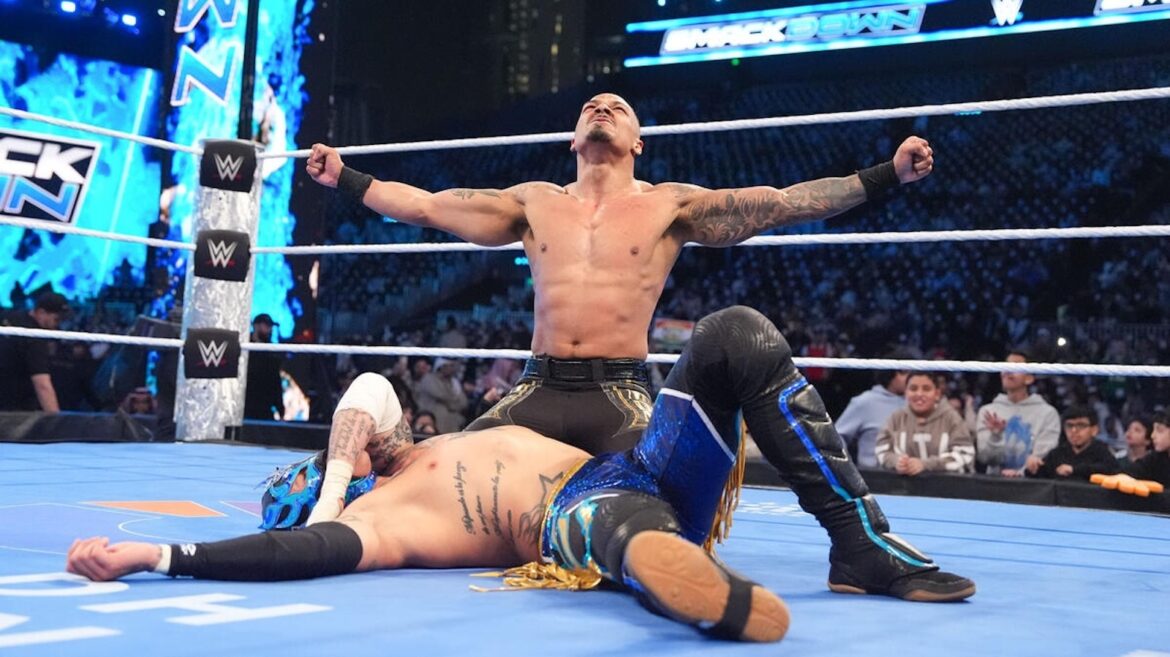
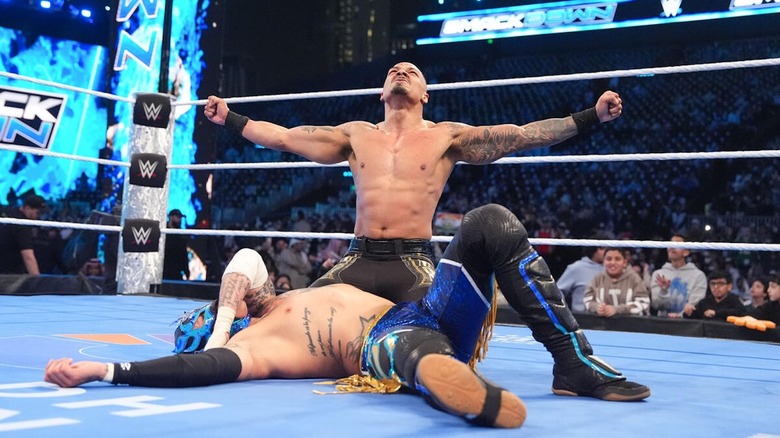
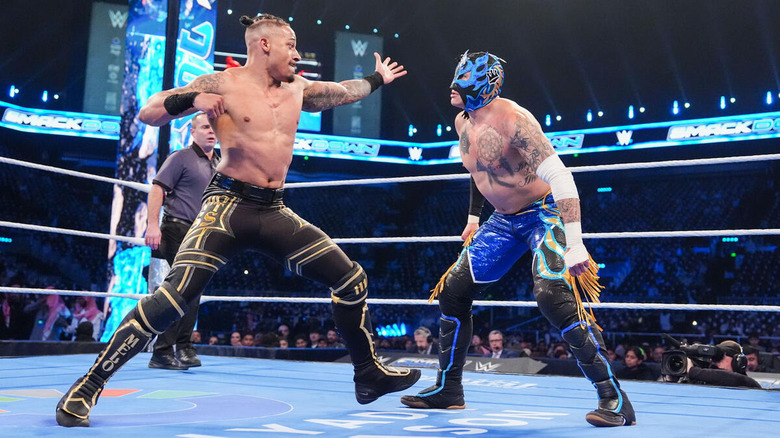
Despite the general lack of compelling narrative progression, the United States Championship picture offered a shining beacon of consistent, high-quality wrestling. Carmelo Hayes, the reigning champion, once again found himself in the ring for an open challenge, and once again, he delivered a performance that solidified his status as one of the most exciting performers on the roster. This week, the challenger was the incredibly talented luchador, Rey Fenix. While Fenix, a master of aerial artistry and intricate mat wrestling, was not widely expected to unseat Hayes, his presence alone guaranteed a certain level of excitement. The dynamic between Hayes’ hard-hitting, athletic style and Fenix’s high-flying, innovative offense proved to be a winning combination. The match was a fast-paced, action-packed affair that showcased the best of both competitors. It served its purpose perfectly: to provide an engaging mid-card championship contest that entertained the audience. While a loss for Fenix might not immediately propel him to superstardom, these types of performances in high-profile matches are crucial for building credibility and showcasing the depth of talent available to WWE. It demonstrated that even without a deeply complex storyline, pure wrestling excellence can captivate an audience and leave them satisfied.
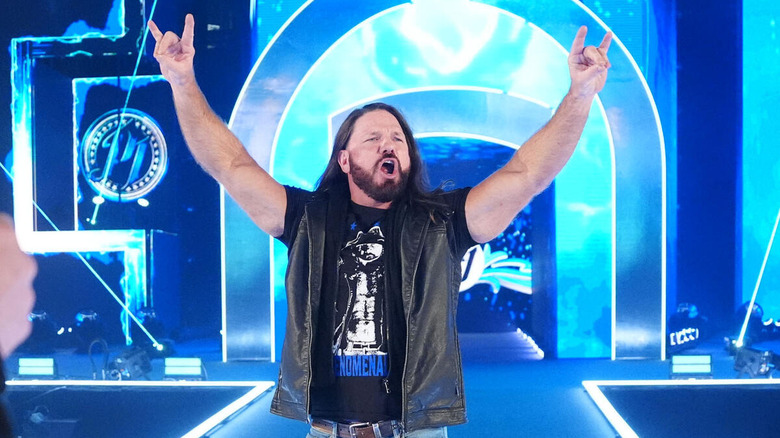
The veteran presence of AJ Styles brought a much-needed gravitas to the broadcast, particularly as whispers of his potential retirement continue to swirl. Styles, a cornerstone of SmackDown for years, delivered a promo that resonated with both nostalgia and a sense of urgency. While many predict his impending clash with Intercontinental Champion Gunther at the Royal Rumble to be his final WWE contest, Styles himself did little to quell the speculation, instead fueling it with the announcement of a potential "Phenomenal Farewell Tour." This segment served multiple purposes. It allowed Styles to address the WWE Universe directly, expressing his desire for one last meaningful run, potentially against legendary figures like Cody Rhodes, Randy Orton, and even CM Punk, whose name was chanted by the appreciative Saudi crowd. Furthermore, Styles’ verbal sparring with Gunther added a layer of intensity to their upcoming championship match, with Styles controversially claiming to have made Gunther tap out in the past, a direct retort to Gunther’s promise of a "Career Killer" victory. This uncertainty, whether it leads to Gunther’s dominance being further cemented or a John Cena-esque extended farewell tour for Styles, created a compelling narrative hook heading into the pay-per-view, making it one of the more memorable moments on a night that often struggled to generate significant buzz. The presence of both stars on the show, especially given the international travel, underscored their importance and the significance of their impending confrontation.
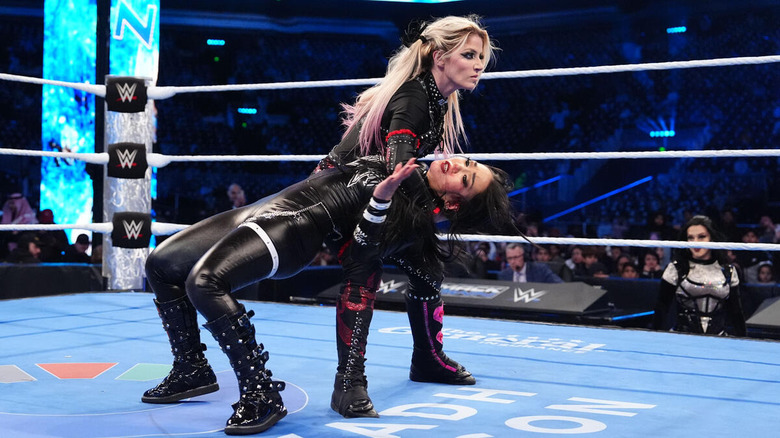
The women’s division also offered a standout performance in a tag team encounter that pitted the formidable alliance of Alexa Bliss and Charlotte Flair against the dynamic duo of Roxanne Perez and Liv Morgan. While the match featured the predictable interference and chaos often associated with The Judgment Day’s involvement, in this instance, it served to enhance rather than detract from the overall presentation. The strategic removal of Raquel Rodriguez by Stephanie Vaquer, a looming challenger for the Women’s World Championship on "Raw," effectively built anticipation for that future encounter without overshadowing the immediate action. Alexa Bliss, despite spending a significant portion of the match on the defensive against Perez and Morgan, remained an engaging presence. The narrative framing of this match suggested a deliberate plan to position Bliss for future conflict with Flair, potentially leading to the dissolution of their partnership. This subtle storytelling, combined with the fast-paced action within the ring, made this tag team match a highlight of the evening. In a broadcast that otherwise lacked compelling moments, this contest provided a welcome dose of excitement and effective character development, proving that even within a familiar faction’s playbook, clever execution can yield positive results.
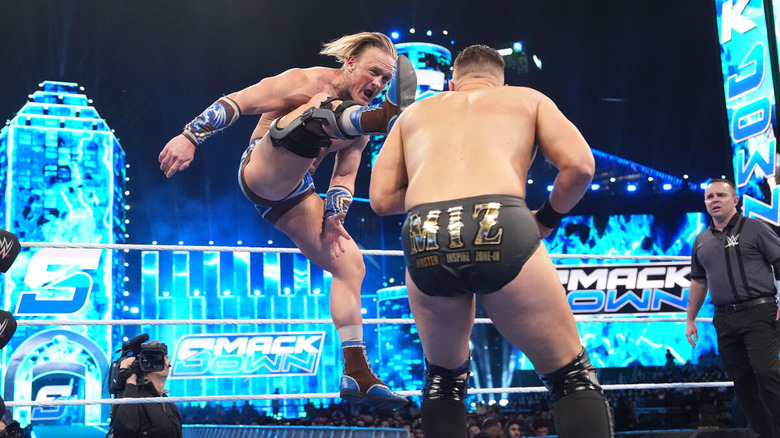
Conversely, the involvement of The Miz in a singles match against Ilja Dragunov proved to be a significant misstep, highlighting a persistent issue with the veteran performer’s current on-screen presentation. While The Miz has undeniable longevity and a proven track record as a talker and a competent performer, his in-ring work has, for many, become predictable and uninspired. The pairing with Dragunov, an exceptionally talented and hard-hitting performer who is clearly operating at a higher level, exposed this disparity. Dragunov was left to carry the bulk of the match, working tirelessly to create a passable contest, while The Miz’s offense, including his dated "Yes" kicks and overused signature moves, felt tired and uninspired. The narrative of "no one respects me" has become a stale trope, and without a fresh story to tell, The Miz’s presence in such matches feels like a missed opportunity for both himself and his opponent. The vast gulf in in-ring ability and the lack of believable offense from The Miz made the contest feel somewhat tedious, a stark contrast to the dynamism seen in other parts of the show. While Dragunov’s victory was a foregone conclusion, the match itself failed to generate any significant excitement, serving as a reminder of the need for fresh storytelling and more impactful pairings for long-tenured performers.
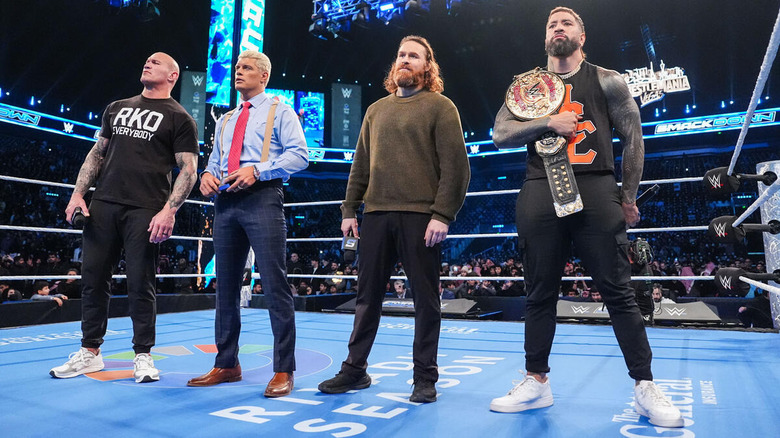
The build-up to the Royal Rumble, particularly concerning the simmering rivalry between Cody Rhodes and Jacob Fatu, also fell short of expectations. Following their intense, albeit non-concluded, brawl at Saturday Night’s Main Event, many anticipated a direct confrontation or continued animosity between the two on this go-home SmackDown. However, the episode largely sidelined this feud, focusing instead on Rhodes’ interactions with Undisputed WWE Champion Drew McIntyre. While Rhodes did acknowledge the previous altercation, his promo pivoted to addressing McIntyre, leaving Fatu conspicuously absent from the narrative spotlight. This absence was further compounded during the main event tag team match, where Fatu made his appearance only after the bout concluded due to McIntyre’s interference. Even then, Fatu’s initial focus was on McIntyre, despite his ongoing feud with Rhodes. While Rhodes and Fatu eventually engaged, the sequence felt disjointed and lacked the focused intensity one would expect from a rivalry on the cusp of a major pay-per-view. The lack of a clear narrative drive between Rhodes and Fatu heading into the Rumble left their storyline feeling underdeveloped and somewhat confusing, failing to generate the significant hype that their previous encounter had promised. It raised questions about McIntyre’s role in their ongoing conflict and left fans questioning how this dynamic would unfold when the stakes were highest.