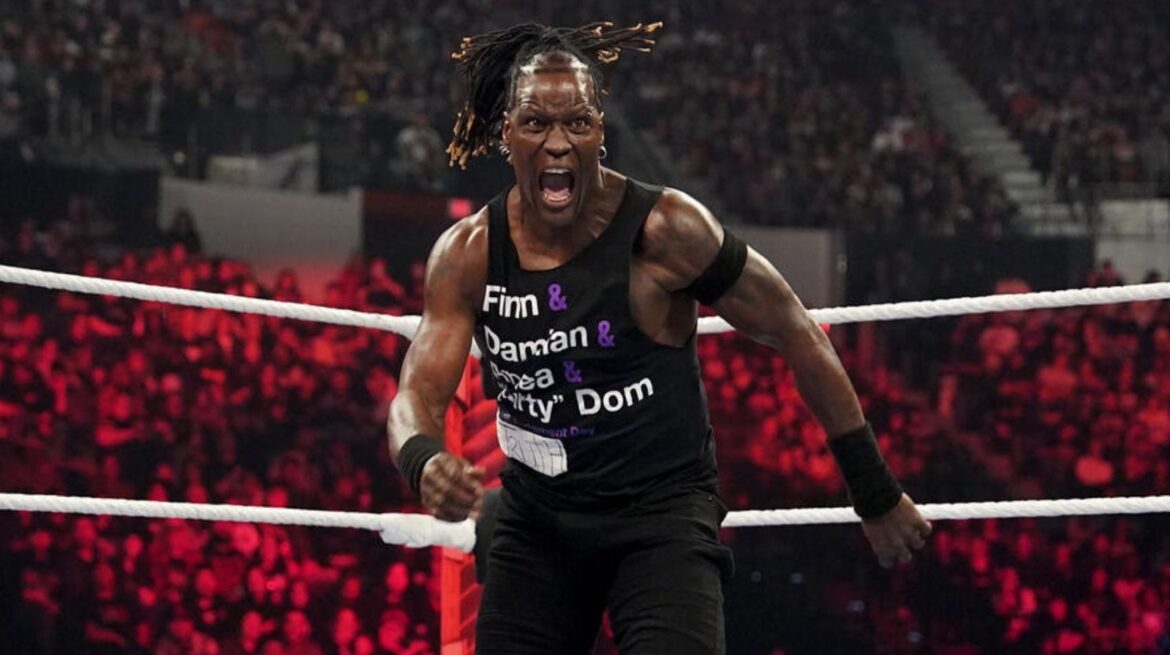
The wrestling world often operates with a veil of kayfabe, a carefully constructed illusion designed to entertain and enthrall. Yet, sometimes, the real-life drama that unfolds behind the curtain can be just as compelling, if not more so, than any scripted feud. This was undeniably the case with Ron Killings, better known to legions of WWE fans as the charismatic R-Truth. His perceived release from the company, a moment that sent shockwaves through the locker room and the online wrestling community, was a profoundly emotional experience, as recounted by Truth himself and his long-time friend and former tag team partner, Brian James, famously known as Road Dogg. The narrative surrounding this event, amplified by its inclusion in the docuseries "WWE Unreal," painted a picture of genuine heartbreak and camaraderie, highlighting the human element often overshadowed by the spectacle of professional wrestling.
R-Truth, a veteran performer with a career spanning decades across multiple promotions, had become a beloved figure in WWE, particularly for his unique blend of comedic timing and surprising in-ring prowess. His character, often eccentric and prone to elaborate, if misguided, schemes, resonated deeply with audiences. He was a performer who could elicit laughter one moment and genuine admiration for his athletic ability the next. This versatility made his departure, even a seemingly temporary one, a significant loss for the WWE roster. Killings himself described the moment he received the news as "gut-wrenching." He recounted being in high spirits following a particularly strong performance, even a recent main event match against none other than John Cena on "Saturday Night’s Main Event," a testament to his enduring value. The contrast between this professional high and the abrupt professional low was stark. The call came on a day he was meant to be taking his daughter to a dance, a personal milestone that underscored the disruptive nature of the professional news. The immediate dissemination of this information via a public social media post, a common practice for wrestlers upon their release, only amplified the emotional impact.
For Brian James, or Road Dogg, the news was equally devastating. Their professional relationship dated back to the early 2000s, when they formed a successful tag team during James’ first tenure in the then-WWF, with Killings initially performing under the moniker K-Kwik. This shared history fostered a deep bond that transcended the scripted narratives of the ring. James recounted receiving a text message from Truth while running an errand, a simple yet loaded message: "Hey. I got let go. I’ll see you down the road." The abruptness of the notification, coming out of nowhere, deeply affected him. He described pulling his car over, momentarily stunned by the news, before composing the social media post that would follow. This wasn’t a calculated public statement; it was a raw, immediate reaction born from genuine friendship and dismay. The post, which lamented his friend’s departure, was eventually deleted, but its impact was captured, showcasing the authenticity of their connection. James acknowledged the often harsh realities of the professional wrestling business, referring to it as "the nature of the beast," but his sentiment was clear: he held a profound respect and affection for Ron Killings.
The wrestling industry, particularly at the highest echelons like WWE, is a business characterized by constant flux. Contracts expire, creative directions shift, and talent evaluations lead to difficult decisions. The period in which R-Truth’s release was reported saw a significant wave of talent cuts across the company, a trend driven by various economic and strategic factors. These releases, while often framed in business terms, carry immense personal weight for the individuals involved. For performers who have dedicated years, often decades, to honing their craft and building their careers within a specific organization, the termination of their employment can feel like a fundamental shift in their identity. It’s not just a job; it’s a passion, a lifestyle, and a primary source of income and fulfillment. The emotional toll of such an event can be profound, impacting not only the individual but also their families and close circle of friends and colleagues within the industry.
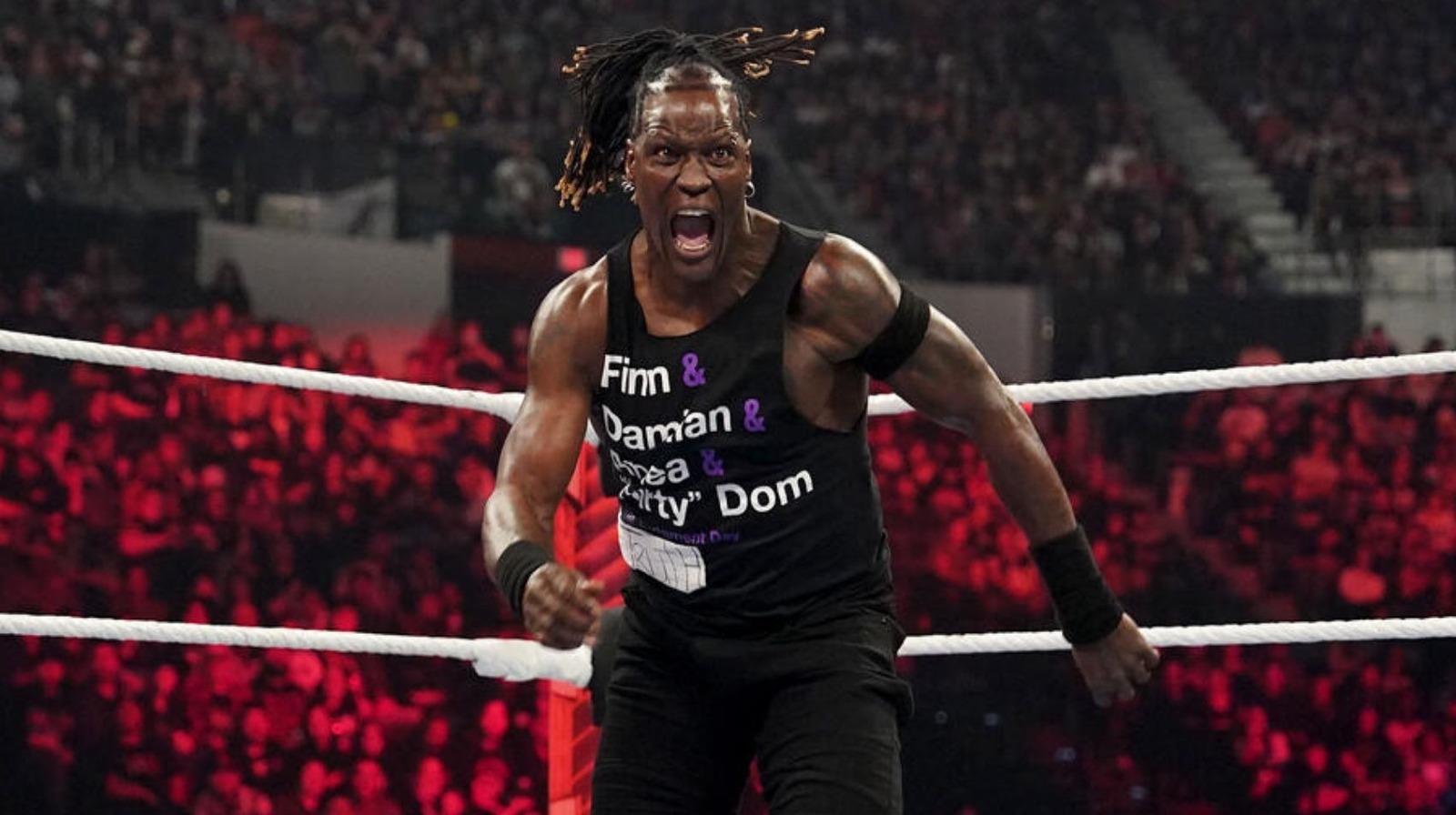
R-Truth’s connection with the WWE audience extended beyond his role as a comedic character. He was a consistent performer who could be relied upon to deliver engaging matches and memorable segments. His unique persona allowed him to navigate the often-complex storylines of professional wrestling with a level of flexibility that few others possessed. He could be a contender for a championship one week and a surreal interrupter of another performer’s promo the next, all while maintaining a level of believability within the established universe. This adaptability made him a valuable asset to the company, capable of filling various roles on the card and contributing to the overall entertainment value of their programming. His absence, therefore, was felt not just by his friends but also by the fans who had grown to appreciate his singular brand of entertainment.
The narrative surrounding R-Truth’s situation was further complicated by subsequent revelations. It emerged that his release, as depicted in "WWE Unreal," was not a definitive parting of ways but rather a strategic maneuver. Paul "Triple H" Levesque, WWE’s Chief Content Officer, later clarified that the perceived release was, in fact, a negotiation tactic designed to encourage Ron Killings to re-sign with the company. This revelation added another layer to the story, transforming a tale of professional heartbreak into a demonstration of high-stakes negotiation and the lengths to which the company might go to retain a valuable performer. It also underscored the complex relationship between performers and management, where business interests and personal relationships often intersect in unexpected ways.
Following this period of uncertainty and emotional turmoil, R-Truth ultimately did return to WWE, signing a new, four-year contract. His re-emergence at the Money in the Bank event was met with widespread approval and excitement. His return was not merely an appearance; he immediately integrated himself into a significant storyline, playing a crucial role in helping Jey Uso and Cody Rhodes secure a victory in a high-profile tag team match against Logan Paul and John Cena. This timely intervention demonstrated that R-Truth was not just back but was being positioned as an active and impactful participant in the ongoing narratives of the company. His presence immediately injected a familiar energy and charisma into the proceedings, reinforcing his enduring appeal.
The entire episode, from the initial shock of his perceived release to his triumphant return, offered a fascinating glimpse into the human side of the wrestling business. It showcased the deep friendships that form among performers who spend countless hours on the road, sharing locker rooms, and experiencing the unique pressures of their profession. The outpouring of support from colleagues like Road Dogg, and the eventual confirmation of his continued role within WWE, served as a reminder that even amidst the cutthroat nature of the industry, genuine bonds and mutual respect can endure. R-Truth’s journey through this challenging period underscores his resilience, his importance to WWE, and the profound emotional connections that exist within the world of professional wrestling. It’s a narrative that transcends the scripted rivalries, revealing the real-life stakes and the human drama that makes this form of entertainment so captivating. His story is a testament to the fact that even when faced with what appears to be an ending, sometimes, it’s merely the prelude to a new beginning, often fortified by the unwavering support of those who truly understand the journey.