
The landscape of professional wrestling has always been defined by its ability to blend high-octane athleticism with the kind of unpredictable drama that keeps audiences tethered to their television screens. For TNA Wrestling, the journey through 2026 has been one of significant transformation and renewed vigor, particularly following its high-profile transition to the AMC network. This strategic move was designed to place the promotion in front of a broader audience, and the data emerging from the final week of January suggests that the gamble is paying off in a substantial way. The January 29 edition of the flagship program offered a masterclass in narrative tension, culminating in a roster change that few fans saw coming. By the time the final credits rolled, the promotion had not only shifted the trajectory of several key careers but had also secured its most impressive viewership figures since the move to its new cable home.
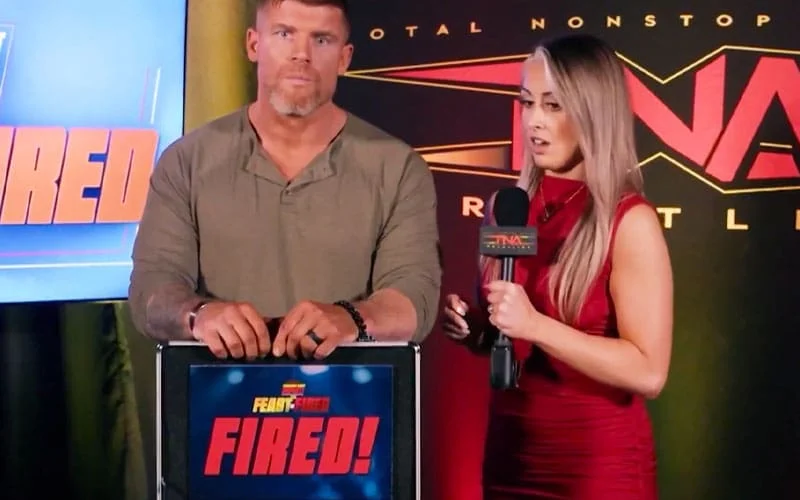
At the heart of this surge was the return of one of the most anxiety-inducing concepts in the company’s history: the Feast or Fired match. For the uninitiated, this particular stipulation serves as a unique gamble where the rewards are immense, but the cost of failure is absolute. Four briefcases are placed on poles at the corners of the ring, and the participants must battle through a chaotic environment to secure one. Inside these cases are three contracts for championship opportunities and one contract that carries a far more grim reality—an immediate termination of employment. The January 29 broadcast was dedicated to the high-stakes reveal of these contents, a segment that has historically been a ratings draw due to its raw, unscripted feel and the genuine career implications for the performers involved.
As the tension mounted throughout the evening, the reveal segment lived up to its reputation for delivering genuine shocks. The roster watched with bated breath as the cases were opened one by one. For veteran stalwarts and rising stars alike, the moment was a crossroads. Eddie Edwards, a man whose name is synonymous with the resilience of the promotion, secured a championship opportunity, further cementing his status as a perennial threat in the title picture. He was joined in the winner’s circle by Trey Miguel and Eric Young, both of whom walked away with the promise of gold in their future. Miguel, known for his breathtaking aerial maneuvers and technical prowess, and Young, a grizzled veteran whose leadership has guided the locker room through various eras, now find themselves positioned for major storylines heading into the spring. However, the celebratory atmosphere was shattered when the final briefcase was opened.
The unfortunate recipient of the "Fired" briefcase was Steve Maclin. A former world champion and a man who has been a cornerstone of the heavy hitter division for years, Maclin’s sudden and scripted exit from the company sent shockwaves through the live crowd and the viewing audience at home. The sight of a top-tier competitor being forced to leave the premises immediately is a powerful narrative tool, and the execution of this particular twist was handled with a level of gravitas that resonated deeply with the fanbase. Maclin’s departure is not just a loss of a talented athlete for the roster; it is a creative pivot that opens up a vacuum in the main event scene while simultaneously sparking intense speculation about his future in the industry. Whether this is a temporary hiatus or a genuine farewell, the impact on the program’s momentum was undeniable.
This narrative intensity translated directly into the Nielsen numbers. According to data provided by industry analysts, the January 29 telecast drew an average of 201,000 viewers on the AMC network. When compared to the previous week’s broadcast on January 22, which attracted 171,000 viewers, the growth is striking. A gain of 30,000 viewers represents a nearly 17.5 percent increase in total audience size within a single week. This upward trend is a vital sign of health for TNA, especially considering the competitive nature of Thursday night television. Since the promotion made its debut on AMC on January 15, the numbers have shown a steady climb, but the January 29 episode marks a significant milestone as the first time the program has crossed the 200,000-viewer threshold on this particular platform.
The success of the episode was not limited to total viewership alone. In the highly coveted 18–49 demographic, which advertisers use as a primary metric for determining the value of a program, the show saw a measurable uptick. The broadcast earned a 0.04 rating in this key age group, rising from the 0.03 rating recorded during the previous week’s installment. While these numbers may seem modest when compared to the giants of the industry, for a growing brand like TNA, a 33 percent increase in the demo rating is a massive victory. It indicates that the creative direction is successfully capturing the attention of younger, more engaged viewers who are essential for long-term sustainability and growth. It is important to note that these figures represent linear television viewership only, meaning they do not account for the additional thousands who likely engaged with the product via AMC’s various digital streaming services or international platforms.
While the "Feast or Fired" drama dominated the headlines, the episode also benefited from a well-rounded card that showcased the depth of the roster. One of the night’s most anticipated moments was the in-ring return of Elayna Black. Returning from a hiatus, Black faced off against Ruthie Jay in a singles encounter that served as a reminder of the competitive nature of the Knockouts division. The women’s roster in TNA has long been regarded as one of the most consistent and talented in the world, and matches like this provide the necessary foundation for the broader storylines to flourish. Black’s return adds another layer of intrigue to the division, offering new matchup possibilities and potential feuds as the company builds toward its next major pay-per-view event.
The broader context of these ratings cannot be ignored. The move to AMC was intended to give TNA a more stable and visible home, and the early returns are promising. The promotion has survived numerous incarnations and ownership changes over the decades, but its current iteration seems focused on a "back to basics" approach that prioritizes logical storytelling and high-stakes stipulations. By utilizing a concept like "Feast or Fired" during a crucial period in their new network deal, the management team demonstrated an understanding of how to leverage their unique history to drive modern interest. The "fired" stipulation, in particular, taps into a primal curiosity among wrestling fans—the desire to see how a performer reacts to the ultimate professional setback.
As the dust settles on the January 29 episode, the questions surrounding the future of the promotion are more pressing than ever. With Steve Maclin currently out of the picture, the power vacuum in the locker room will likely lead to a period of intense competition among the remaining stars. Eddie Edwards, Trey Miguel, and Eric Young now hold the keys to the kingdom with their respective title shots, and how they choose to cash in those opportunities will dictate the pace of the show for the next several months. The increase in viewership provides the creative team with a larger platform and more momentum, but it also increases the pressure to maintain this level of engagement. Wrestling fans are notoriously fickle, and the challenge will be to follow up a "shock and awe" episode with consistent, quality programming that keeps the 200,000-plus viewers coming back week after week.
The success of this particular broadcast also highlights a growing trend in the industry where alternative promotions are finding ways to carve out significant niches for themselves. In an era where media consumption is increasingly fragmented, drawing a consistent and growing audience on a linear cable network is a feat worth noting. TNA’s ability to grow its audience by double-digit percentages in just one week suggests that there is a hungry market for their specific brand of professional wrestling. The blend of veteran leadership and young, hungry talent, combined with the willingness to pull the trigger on major roster changes, has created a sense of "must-watch" television that had perhaps been lacking in previous years.
Looking ahead, the fallout from Maclin’s firing will undoubtedly be a central theme. In the world of wrestling, "fired" rarely means "gone forever," but the way the story is told in the coming weeks will be crucial. If Maclin appears in another promotion, it could be a major story for the industry at large; if he finds a way to fight his way back into TNA, it could provide a long-term underdog narrative that fans can get behind. Regardless of the outcome, the January 29 episode has accomplished its primary goal: it got people talking, it got people watching, and it established TNA as a rising force on the AMC schedule.
Ultimately, the 201,000 viewers who tuned in represent more than just a data point on a spreadsheet. They represent a fanbase that is responding to a product that feels consequential. In a scripted environment, making the stakes feel real is the hardest task a creative team faces. By risking the "employment" of a top star like Maclin and rewarding fan favorites with title opportunities, the promotion managed to make the January 29 episode feel like a pivotal chapter in an ongoing saga. As the company moves deeper into 2026, the foundation laid during these early AMC broadcasts will be the platform upon which their future success is built. If they can continue to deliver episodes that combine high-quality wrestling with genuine emotional stakes, the viewership ceiling may be much higher than anyone originally anticipated. For now, the team can take pride in a successful night that saw their audience grow, their social media presence explode, and their creative direction validated by the hardest metric of all—the numbers.