The intricate world of professional wrestling is a constant ebb and flow, a dynamic tapestry woven with threads of athletic spectacle, gripping narratives, heartbreaking farewells, and the relentless pursuit of glory. From the hallowed halls of Japanese puroresu to the electrifying arenas of North America, the industry never truly rests, consistently presenting its audience with a diverse array of stories that transcend mere competition. This past period has been no exception, marking solemn goodbyes to figures who left their indelible mark, witnessing the unforeseen hurdles faced by burgeoning stars, and celebrating the quiet victories of promotions carving out their own unique space in a fiercely competitive landscape, all while the mainstream giants continue their relentless march towards their biggest annual spectacles.
One of the most profound and somber moments recently was the passing of Tadao Yasuda, a formidable figure whose journey from the revered world of sumo to the squared circle of professional wrestling captivated audiences. Yasuda’s life was a testament to dedication and reinvention, a career that saw him reach the prestigious rank of ozeki in sumo before making an unexpected and impactful transition into New Japan Pro-Wrestling. He joined the promotion in 1994, initially as a rookie, but his imposing physical presence and legitimate combat sports background quickly set him apart. His career took a fascinating turn during the controversial "Inokiism" era, a period when NJPW founder Antonio Inoki heavily emphasized real fighting and mixed martial arts contests within the pro wrestling framework. Yasuda, with his legitimate sumo pedigree, was positioned as one of NJPW’s legitimate fighters, participating in several high-profile MMA bouts. His most notable foray into the world of legitimate fighting came at Inoki Bom-Ba-Ye 2001, where he defeated Jerome Le Banner, a monumental upset that solidified his status as a legitimate crossover combatant in the eyes of many. This victory, while polarizing for traditional wrestling fans, was a defining moment for Yasuda and a cornerstone of the Inokiism philosophy. Within the wrestling ring, Yasuda was a powerful and stoic presence, often aligning himself with factions that blurred the lines between wrestling and shoot fighting. His legacy is complex, representing a unique chapter in New Japan’s history where the boundaries of sport and spectacle were aggressively tested. His passing serves as a poignant reminder of the diverse paths individuals take to etch their names into the annals of combat sports entertainment, and the impact they leave, even years after their final bell.
Adding to the week’s melancholy news was the quiet passing of Jim Shank, a name perhaps less globally recognized than Yasuda but nonetheless a crucial cog in the regional and independent wrestling circuits for decades. Shank, often remembered as a dedicated referee and a tireless promoter, was a familiar face in various promotions across the Ohio Valley and surrounding areas. His contributions, though not always under the brightest lights, were fundamental to the operation and integrity of countless local shows. He worked with numerous up-and-coming talents, many of whom would go on to achieve mainstream success, providing them with the platform and guidance needed to hone their craft. The backbone of professional wrestling has always been its vibrant independent scene, and individuals like Jim Shank are the unsung heroes who ensure its continuity, often dedicating their lives to the sport out of pure passion. His passing, alongside Yasuda’s, underscores the collective loss felt by the wrestling community, a somber moment that unites fans and performers in remembrance of those who contributed to the art form in their own distinct ways.
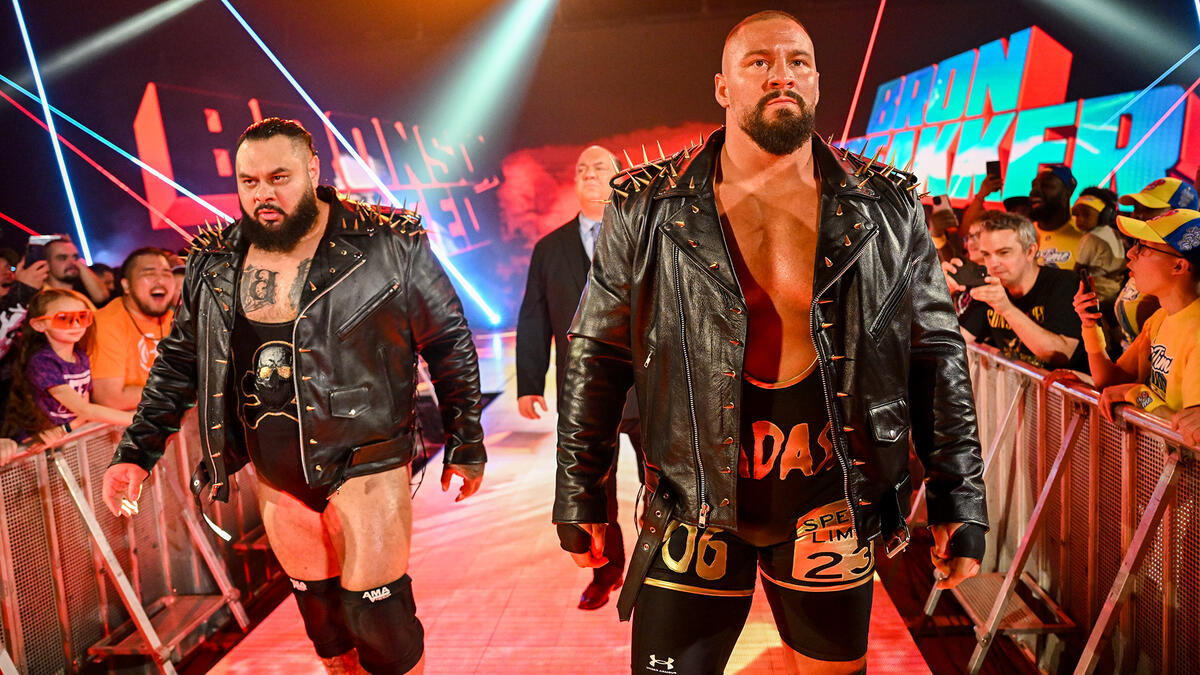
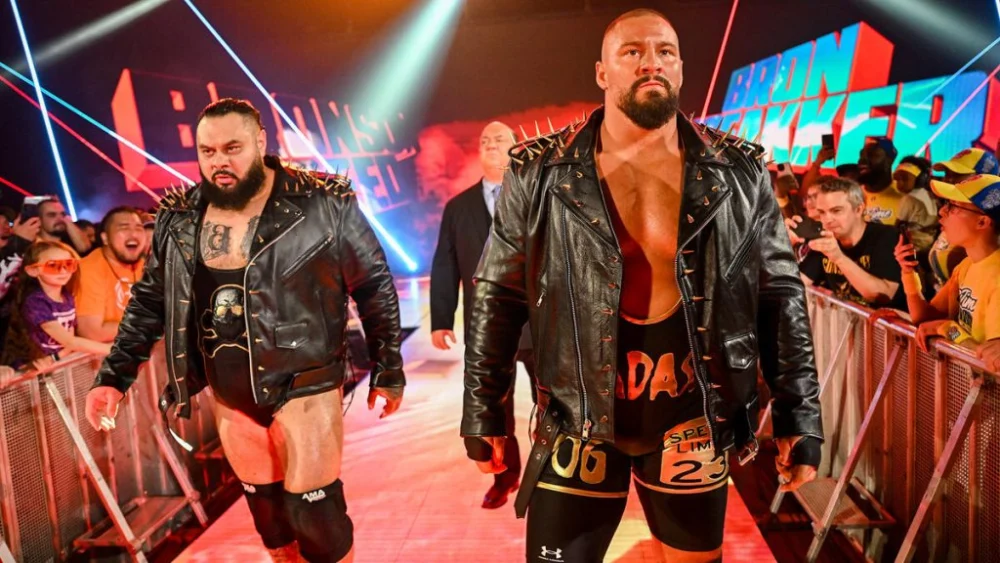
The physical toll of professional wrestling remains an ever-present reality, and this was brought into sharp focus with the news of Bron Breakker’s recent hernia surgery. A dominant force in WWE’s NXT brand, Breakker has rapidly ascended the ranks since his debut, showcasing an explosive athleticism and intensity that immediately set him apart. Hailing from the legendary Steiner family, the expectations placed upon him were immense, and he has consistently delivered, capturing the NXT Championship on multiple occasions and establishing himself as a cornerstone of the brand. His powerhouse offense, reminiscent of his Hall of Fame lineage, combined with a modern aggression, has made him a compelling figure for the future of WWE. However, the relentless schedule and high-impact nature of his in-ring style inevitably lead to wear and tear. A hernia, while a common injury in contact sports, necessitates a period of recovery and rehabilitation, effectively sidelining one of NXT’s brightest stars at a critical juncture. For any performer, an injury-forced absence disrupts momentum, potentially derailing meticulously crafted storylines and title aspirations. For Breakker, whose trajectory seems bound for the main roster, this setback is a test of resilience, and fans eagerly await his return, hopeful that his recovery will be swift and complete, allowing him to continue his meteoric rise without further interruption.
Shifting gears to the vibrant landscape of Mexican lucha libre, AAA (Lucha Libre AAA Worldwide) continues to be a major player, constantly evolving its programming and showcasing its unique blend of athleticism and theatricality. Recent television tapings and broadcasts have kept fans engaged, yet a recurring issue continues to cast a shadow over the promotion: the booking of talent with serious allegations against them. Specifically, the continued presence and booking of Cuartero, despite public accusations of sexual misconduct, have drawn significant criticism from fans and observers alike. This situation highlights a pervasive and uncomfortable dilemma within professional wrestling and entertainment industries globally. While legal processes unfold, the court of public opinion often demands accountability from organizations. For a major promotion like AAA, navigating such controversies is delicate, as it involves balancing contractual obligations, potential legal implications, and the crucial imperative of maintaining public trust and ethical standards. The decision to continue booking individuals facing such allegations raises profound questions about moral responsibility, the welfare of performers, and the message it sends to the audience. This ongoing conversation underscores the need for greater transparency, robust safeguarding policies, and a stronger commitment to ethical conduct across all levels of professional wrestling, ensuring that the spectacle in the ring does not overshadow the integrity outside of it.
Meanwhile, on the North American independent circuit and as a global entity, Impact Wrestling has been quietly yet effectively rebuilding its brand, and recent reports indicate a significant uptick in its television ratings. This resurgence is a testament to the hard work put in by its roster, creative team, and management over the past few years. After periods of instability and rebranding, Impact, now under the TNA banner once again for certain events, has solidified its identity, focusing on compelling storytelling, consistent in-ring action, and a diverse roster that blends established veterans with exciting new talent. The improved ratings are not just a fleeting anomaly but rather reflect a sustained effort to produce engaging content week after week. Factors contributing to this success likely include captivating championship feuds, the strategic use of crossover talent, and a commitment to showcasing a variety of wrestling styles. For a promotion that has weathered many storms, seeing its viewership climb provides crucial validation and momentum. Strong ratings translate directly into increased advertising revenue, enhanced appeal for network partners, and a greater capacity to attract top-tier talent. Impact’s steady growth serves as an encouraging beacon for the wrestling industry, demonstrating that there is ample room for alternative promotions to thrive by offering a distinct product that resonates with a dedicated fanbase.
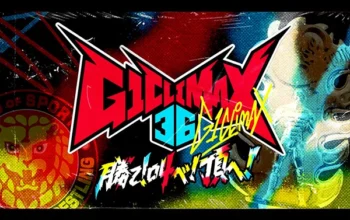
Across the globe, New Japan Pro-Wrestling continues its unwavering commitment to delivering some of the highest quality in-ring action and long-term storytelling in the industry. While specific event details for any "big show tomorrow" are not always universally known without more context, the consistent buzz around NJPW stems from its rigorous touring schedule and its meticulously planned major events. The promotion operates on a cycle of high-stakes tournaments like the G1 Climax, which crowns a challenger for the IWGP World Heavyweight Championship at Wrestle Kingdom, and various tours that build intricate rivalries and championship narratives. Fans are always eagerly anticipating the next major event, whether it’s a Road to show leading to a significant pay-per-view, a major stop like Dominion or Power Struggle, or the grand spectacle of Wrestle Kingdom itself. The current landscape of NJPW features a dynamic roster of Japanese stalwarts and international stars, each vying for supremacy in a system that values athletic prowess and fighting spirit above all else. The IWGP World Heavyweight Championship remains the most coveted prize, often held by performers who exemplify the "strong style" ethos. The junior heavyweights consistently deliver breathtaking athleticism, while the tag team divisions provide robust, hard-hitting contests. NJPW’s global reach, through its streaming service NJPW World and partnerships with other promotions, ensures that its unique brand of wrestling continues to captivate a worldwide audience, always leaving them hungry for the next chapter in its storied history.

Beyond the squared circle, the broader world of combat sports often intersects with professional wrestling, and the recent achievement of former UFC Heavyweight Champion Andrei Arlovski in the Bare Knuckle Fighting Championship (BKFC) is a prime example. Arlovski, a veteran mixed martial artist with a storied career in the UFC, demonstrating incredible longevity and resilience, recently secured a championship in BKFC. This triumph highlights the enduring appeal of combat sports and the remarkable ability of seasoned athletes to adapt and excel in new disciplines. BKFC, with its raw and visceral approach to fighting, has carved out a niche in the combat sports landscape, attracting both former MMA stars and traditional boxers. Arlovski’s success underscores the crossover appeal between different fighting forms, as fans of one often appreciate the legitimate toughness and skill displayed in another. While not directly professional wrestling, these stories of combat sports athletes achieving new heights often resonate deeply within the wrestling community, which shares a common thread of athleticism, competition, and the thrill of physical contest.
Turning to the behemoth of sports entertainment, WWE continues its annual "Road to WrestleMania" with considerable momentum, largely driven by the weekly drama unfolding on Monday Night Raw. The flagship program has been instrumental in shaping the narratives that will culminate at the biggest show of the year. Recent episodes have featured intensifying rivalries, pivotal championship defenses, and the emergence of new contenders, all building towards the monumental Elimination Chamber premium live event. The Elimination Chamber match itself is a brutal and unforgiving contest, a steel structure designed to test the limits of its participants, often serving as a crucial stepping stone or a final hurdle on the path to WrestleMania title shots. The stakes for this event are always incredibly high, as the outcomes frequently determine who will challenge for the most prestigious championships on the grandest stage of them all. Fans have been engrossed in the complex web of alliances and betrayals, the pursuit of gold, and the personal animosities that fuel the main event scene, as well as the dynamic tag team and women’s divisions. The creative team has been diligently crafting intricate storylines, ensuring that every segment and match on Raw contributes to the overarching narrative leading to the pinnacle of WWE’s calendar.
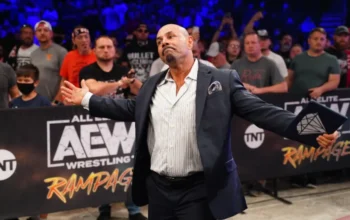
Across the competitive divide, All Elite Wrestling (AEW) also remains a significant force, consistently offering its distinct brand of professional wrestling across its multiple television programs. With Dynamite, Rampage, and Collision, AEW provides a comprehensive weekly dose of high-flying action, technical wrestling clinics, and character-driven storytelling. The promotion continues to push boundaries, featuring a diverse roster that blends established legends with some of the most exciting young talent in the industry. Recent previews for their television offerings suggest a continued focus on developing long-term feuds, progressing championship pictures across all divisions—including the AEW World Championship, TNT Championship, TBS Championship, and various tag titles—and introducing compelling new narrative arcs. AEW’s commitment to delivering a sports-centric presentation, often complemented by intricate faction warfare and deeply personal rivalries, resonates strongly with its dedicated fanbase. The competitive landscape between AEW and WWE continues to drive innovation and quality, ensuring that wrestling fans have an abundance of high-quality content to consume, showcasing different philosophies and styles that cater to a broad spectrum of tastes.
In conclusion, the professional wrestling world, as ever, is a vibrant and complex ecosystem. It is a realm where the echoes of past legends like Tadao Yasuda and Jim Shank are honored, even as the future is being shaped by rising stars like Bron Breakker, whose journey is momentarily paused by the harsh realities of athletic injury. It is an industry that celebrates the hard-fought resurgence of promotions like Impact Wrestling, even while grappling with profound ethical questions that demand introspection and accountability, as seen with the ongoing Cuartero situation in AAA. It is a global spectacle where the consistent excellence of NJPW continues to captivate, and where the boundaries of combat sports are blurred by the achievements of individuals like Andrei Arlovski. Above all, it is a continuous narrative crafted by the titans of the industry, WWE and AEW, who relentlessly push the envelope, building towards their next major events and captivating millions with their blend of athleticism, drama, and pure entertainment. Through all its highs and lows, its triumphs and tragedies, the enduring spirit of professional wrestling continues to thrive, forever captivating its audience with its unparalleled blend of athletic artistry and compelling storytelling.