The landscape of New Japan Pro-Wrestling’s junior heavyweight division, a realm long defined by its electrifying pace and high-flying theatrics, now faces an undeniable void. On February 11th, at the culmination of the New Beginning in Osaka event, Hiromu Takahashi, the enigmatic "Ticking Time Bomb" himself, stepped through the ropes for what is, at least for the foreseeable future, his final contest under the NJPW banner. This was not merely another match on a bustling tour schedule; it was a deeply symbolic moment, marking the departure of a generational talent whose unique blend of reckless abandon, undeniable charisma, and in-ring mastery had elevated the junior heavyweight division to unprecedented heights. His exit leaves fans and pundits alike grappling with the profound impact of his absence and pondering the future direction of a division he so dominantly shaped.
The highly anticipated farewell bout saw Takahashi team with his long-time rival and occasional ally, Taiji Ishimori, to face the formidable United Empire duo of Jakob Austin Young and Francesco Akira. The match itself, held in the vibrant atmosphere of Osaka, was a fitting display of Takahashi’s signature style: a whirlwind of high-octane offense, unpredictable movements, and an unwavering intensity that captivated the audience. Throughout the contest, Hiromu exhibited the very attributes that have made him a fan favorite – the daring dives, the impactful strikes, and the sheer joy he exuded while performing. The climax arrived when Takahashi secured the victory for his team, locking in a submission hold on Jakob Austin Young, forcing the tap-out and ensuring he left NJPW on a winning note. It was a moment that, while celebratory for the immediate outcome, carried an underlying current of melancholy for those aware of its true significance.
However, in true Hiromu fashion, his departure could not be entirely straightforward or sentimental. As the bell tolled and the initial emotions began to settle, a moment of post-match reflection was brutally interrupted. Francesco Akira, seemingly still seething from the defeat, blindsided Takahashi with a vicious steel chair shot, shattering the solemn atmosphere. This act of disrespect, a stark reminder of the cutthroat nature of professional wrestling, was met with a thunderous response from the crowd. The United Empire’s unchivalrous attack underscored the ongoing animosity within NJPW’s various factions, even as one of its most prominent figures was making his exit. Thankfully, the aggression was short-lived, as Robbie X, another competitor on the NJPW roster, swiftly rushed to Takahashi’s aid, chasing off the United Empire members and restoring a semblance of order. In a poignant display of camaraderie and mutual respect, both Robbie X and Taiji Ishimori then raised Hiromu’s hand, allowing him a proper moment to bid farewell to the Osaka crowd before he made his way backstage, leaving behind a legacy etched in the hearts of the NJPW faithful.
Takahashi’s journey within New Japan Pro-Wrestling is a compelling narrative of transformation and triumph. He began his career, like so many before him, as a humble young lion in the NJPW dojo, learning the ropes and honing his craft under the watchful eyes of veteran coaches. Known then as Hiromu Takahashi, his early days were characterized by the rigorous training and disciplined approach expected of all NJPW prospects. These formative years instilled in him the fundamental wrestling principles and the unwavering resilience that would become hallmarks of his later career. The young lion system is designed to forge character as much as wrestling skill, and Takahashi’s time in the dojo undoubtedly laid the groundwork for the extraordinary performer he would become.
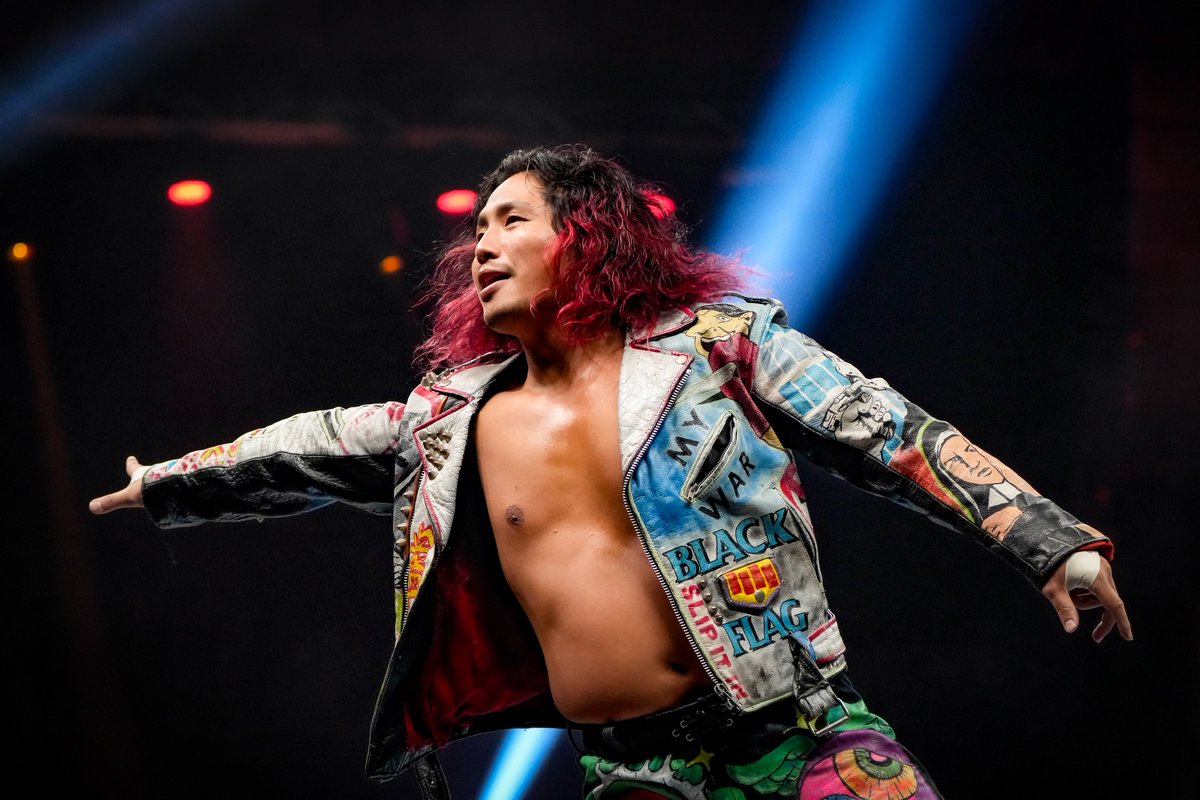
The crucial turning point in Takahashi’s evolution came during his excursion, a traditional NJPW rite of passage where young talent travels abroad to gain international experience and develop their unique personas. His journey took him to Mexico’s Consejo Mundial de Lucha Libre (CMLL), where he initially competed as Kamaitachi. It was in the vibrant, high-flying world of Lucha Libre that Takahashi truly began to shed his young lion skin. He embraced a more aggressive, unpredictable style, and his character started to morph into something darker, more chaotic. His stint in CMLL, particularly his rivalry with Dragon Lee (now Ryu Lee), became legendary, pushing both men to new physical and psychological limits. This period also saw him briefly appear in Ring of Honor (ROH), further broadening his exposure and allowing him to experiment with different wrestling styles and audiences. The seeds of the "Ticking Time Bomb" were firmly planted during these years, as he meticulously crafted the persona that would eventually define his career.
Upon his dramatic return to NJPW in late 2016, the transformation was complete. The earnest young lion was gone, replaced by the wild, unhinged, and utterly captivating "Ticking Time Bomb," Hiromu Takahashi. His entrance, his attire, his interviews – everything about him screamed unpredictability and chaos. He immediately set his sights on the IWGP Junior Heavyweight Championship, then held by KUSHIDA, sparking one of the most memorable feuds in the division’s history. This rivalry, characterized by its incredible athleticism and intense storytelling, propelled both men to new heights and firmly established Hiromu as the new face of the junior heavyweight division.
Over the course of his illustrious career, Hiromu Takahashi held the prestigious IWGP Junior Heavyweight Championship an astonishing five separate times, cementing his status as one of the most dominant and influential champions in the title’s history. Each reign was not just a tally mark in the record books, but a testament to his ability to consistently deliver main event-caliber performances and elevate the prestige of the division. He engaged in a series of classic encounters with a diverse range of opponents, each feud contributing to the rich tapestry of his legacy. His battles with KUSHIDA were legendary, often cited as some of the best junior heavyweight matches of their era, showcasing a perfect blend of technical wrestling, high-flying innovation, and raw emotion. He also had unforgettable rivalries with Will Ospreay, where their contrasting styles created explosive chemistry, and with Taiji Ishimori, whose shared history from their young lion days added an extra layer of intensity to their encounters. El Desperado, another formidable opponent, brought out a more calculating and brutal side of Hiromu, leading to gritty, hard-hitting contests that deviated from the typical junior heavyweight formula. His feuds consistently headlined shows, often outshining heavyweight matches on the same card and proving that the junior heavyweight division, under his guidance, was a force to be reckoned with.
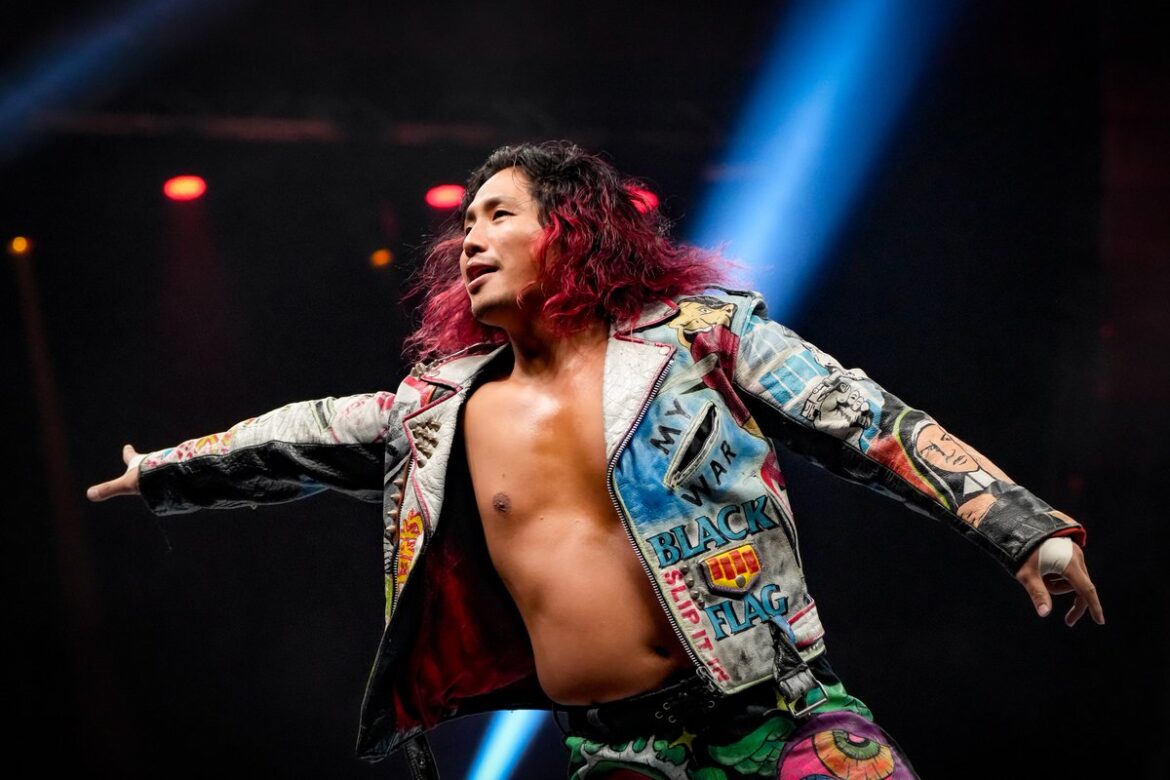
Beyond his championship accolades, it was Hiromu’s utterly unique persona that truly set him apart. The "Ticking Time Bomb" was more than just a nickname; it was a philosophy. He was unpredictable, often erratic, and always entertaining. His interactions with his beloved pet cat, Daryl, became a quirky, endearing element of his character, showcasing a softer, more eccentric side amidst the chaos. His vibrant, ever-evolving ring gear, his distinctive mannerisms, and his often-unintelligible yet passionate promos all contributed to an aura that was unlike anyone else in professional wrestling. He blurred the lines between babyface and heel, garnering a fiercely loyal following who embraced his unpredictable nature and thrilling in-ring style. He didn’t just wrestle; he performed an immersive, high-stakes art piece every time he stepped into the squared circle.
Takahashi’s career, however, was not without its significant challenges. In 2018, during a match against Dragon Lee at the G1 Special in San Francisco, he suffered a severe neck injury that sidelined him for an extended period. This was a devastating blow, not only for Hiromu but for the entire NJPW landscape, as the division lost its most dynamic champion. His absence left a palpable void, and there were legitimate concerns about whether he would ever be able to return to his previous form, or even wrestle again. Yet, true to his resilient spirit, Hiromu embarked on a grueling rehabilitation journey, defying expectations. His triumphant return in late 2019, culminating in a dramatic victory at Wrestle Kingdom, was one of the most emotional and celebrated comebacks in recent memory. This period of adversity and subsequent resurgence only further endeared him to the NJPW audience, solidifying his status as a true warrior and a testament to his indomitable will. His ability to overcome such a career-threatening injury and return to the pinnacle of his division cemented his legendary status.

The announcement of his departure, initially made earlier in the month, sent ripples through the professional wrestling community. While the exact reasons for his decision remain private, speculation naturally abounds. Whether it’s a need for a sabbatical, an exploration of opportunities outside of NJPW, or a shift in personal priorities, the timing of his exit has undoubtedly left fans pondering the future. Prior to his final tag team match in Osaka, Takahashi also wrestled his last singles contest for NJPW on February 8th, where he defeated young lion Masatora Yasuda. This match, against a promising but unseasoned talent, carried its own quiet significance. It was a moment that symbolically represented a passing of the torch, a final opportunity for the "Ticking Time Bomb" to share the ring with the next generation, perhaps imparting some of his unique wisdom and experience to a wrestler just beginning his own journey. It was a subdued but meaningful conclusion to his singles career within the promotion.
Hiromu Takahashi’s departure leaves an undeniable void in New Japan Pro-Wrestling. His unique blend of high-flying acrobatics, stiff striking, and a character that defied conventional archetypes made him an irreplaceable figure. The junior heavyweight division, which he so effectively headlined and elevated, will now need new standard-bearers to step up and fill the massive shoes he leaves behind. While talents like El Desperado, Master Wato, and his former tag partner Taiji Ishimori are certainly capable of carrying the torch, none possess the exact same magnetic, chaotic energy that defined Takahashi’s run. His absence will force NJPW to rethink its strategies for the division, potentially opening doors for new stars to emerge or existing ones to further define their legacies.
Ultimately, Hiromu Takahashi’s tenure in New Japan Pro-Wrestling will be remembered as one of the most impactful runs by any junior heavyweight in the company’s storied history. He was a pioneer, a risk-taker, and a champion who consistently delivered unforgettable moments. His career was a testament to the power of character, the thrill of unpredictability, and the sheer athleticism that defines the junior heavyweight style. While his physical presence may be gone from the NJPW roster for now, his legacy will undoubtedly continue to resonate. The "Ticking Time Bomb" has detonated one last time in New Japan, leaving behind a profound impact and an eagerly anticipated future, wherever his chaotic journey may lead him next. Fans worldwide will be watching, waiting for the next tick of the clock.