The penultimate episode of AEW Dynamite leading into the monumental Grand Slam event in Australia delivered a potent cocktail of championship shifts, thrilling contention matches, and narrative developments that resonated deeply with the AEW fanbase. On this particular broadcast from Ontario, California, the stakes were undeniably elevated as the promotion geared up for its significant international foray. The night was punctuated by two pivotal championship changes, signaling new eras for the respective divisions, and a high-octane three-way tag team encounter that vibrantly showcased the depth of AEW’s tag team division and its unwavering commitment to presenting compelling, competitive contests for the ultimate prize in tag team wrestling. While the results themselves provide a factual account of the evening’s proceedings, a deeper analysis is required to dissect the emotional and creative impact of the show, separating the moments that captivated and inspired from those that left viewers scratching their heads. This examination delves into the nuances of what worked exceptionally well, particularly in the squared circle, and conversely, identifies the elements that felt underdeveloped or misjudged, offering a comprehensive perspective on the week’s flagship program.
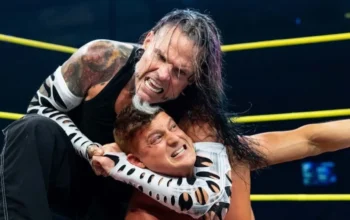
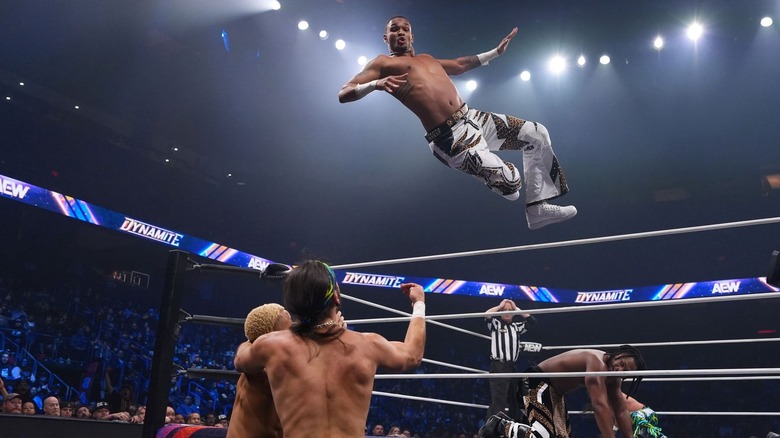
The electric atmosphere of AEW Dynamite was personified by a chaotic yet captivating three-way dance for the right to challenge for the AEW World Tag Team Championships. This clash pitted The Young Bucks, The Rascalz (Desmond Xavier and Myron Reed), and the returning Private Party (Isiah Kassidy and Marq Quen) in a contest that truly encapsulated the ethos of All Elite Wrestling. Bryan Danielson’s subsequent endorsement of the match, summing it up as "this is cool," echoed the sentiments of many who witnessed the sheer athleticism and daring displayed by all involved. The Young Bucks, hailing from California, ultimately emerged victorious, earning their shot at FTR’s coveted titles. However, the true triumph of this bout lay not in the victor, but in the collective performance. Each team brought their A-game, showcasing a brand of wrestling characterized by breathtaking aerial maneuvers, innovative tag team combinations, and an unwavering commitment to pushing the boundaries of in-ring storytelling. The pace was relentless from the opening bell, with signature moves and high-impact finishers being countered and transitioned into even more audacious sequences. This match was a perfect distillation of what makes AEW stand out: a dedication to showcasing the pinnacle of athletic prowess and a willingness to allow performers the space to express their creativity without restraint. For those who may have drifted away from AEW programming, this match served as an emphatic and exhilarating homecoming, a vivid reminder of the promotion’s core strengths. Private Party’s surprising return as the wildcard entry was a welcome spectacle, and they proved they hadn’t lost a step, seamlessly integrating into the frenetic action against both the established Young Bucks and the dynamic duo of Xavier and Reed. While a loss is never ideal for a returning act, Private Party managed to avoid being pinned, a small but significant detail that preserves their credibility. The Young Bucks, as the hometown favorites and current force in the division, were the logical choice to advance, and their victory felt earned. Yet, the enduring memory of this contest is the sheer spectacle and the indelible mark it left on the audience, solidifying its place as a highlight of the AEW wrestling landscape.
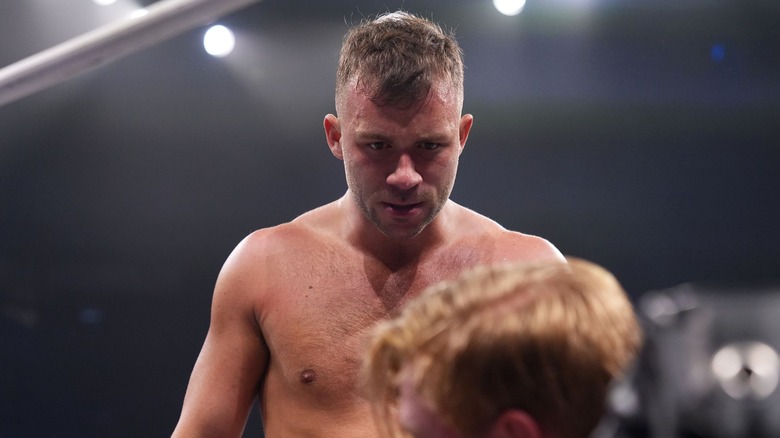
Conversely, the enigmatic faction known as the "Death Riders" continues to be a perplexing entity within the AEW narrative. Since aligning with Jon Moxley, their identity has become increasingly fluid, bordering on a nebulous collective rather than a cohesive unit. The recent inclusion of Daniel Garcia teaming with Clark Connors on this episode only served to further obfuscate their purpose. What was once a tightly-knit and formidable force now feels like a revolving door, with members seemingly willing to align with almost anyone. While they might occupy a space on the opposing side of figures like Orange Cassidy and Toni Storm, their overall menace has waned considerably from their peak. This stagnation suggests a faction caught in a creative rut, struggling to recapture the dominant aura that once defined them. The comparison to Suzuki-gun in New Japan Pro-Wrestling is apt, but the Death Riders lack the individual star power of talents like Zack Sabre Jr. or El Desperado to elevate the stable beyond its current standing. The once-dominant force that threatened to become a creative liability has now settled into a state of being "just kinda there," a shadow of its former self. The potential for Wheeler Yuta and Mina Shafir to undergo a fresh evolution within this group remains, but without a clearer direction, the Death Riders risk becoming an afterthought in the grander scheme of AEW’s evolving roster.
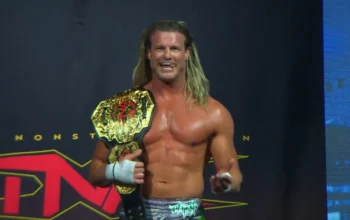
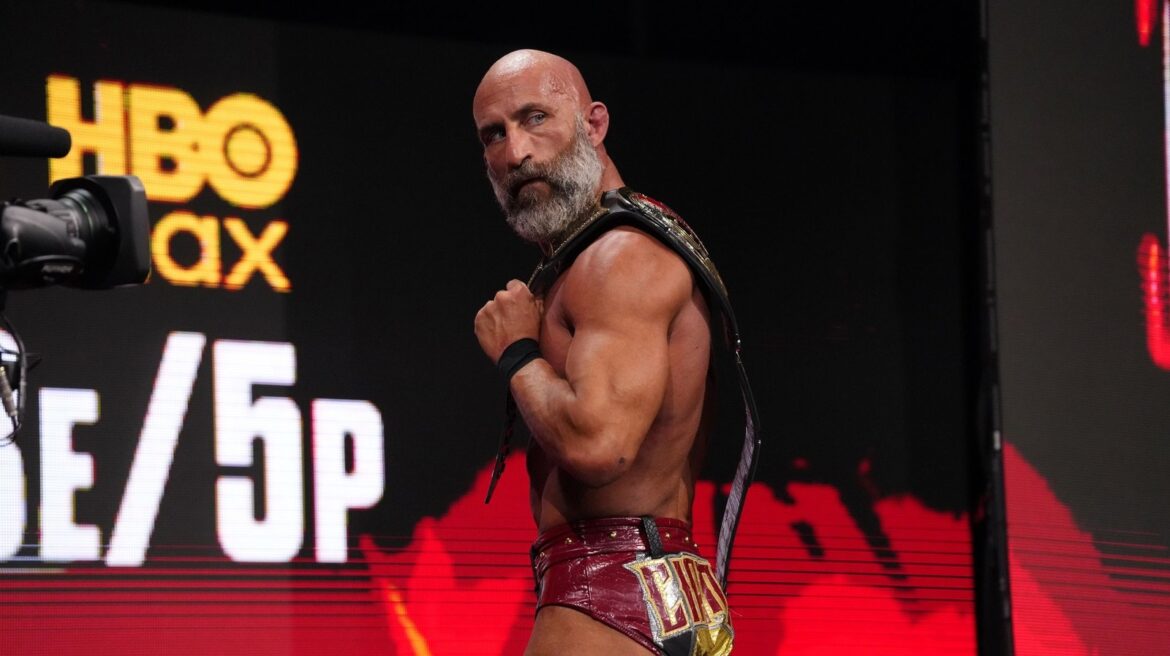
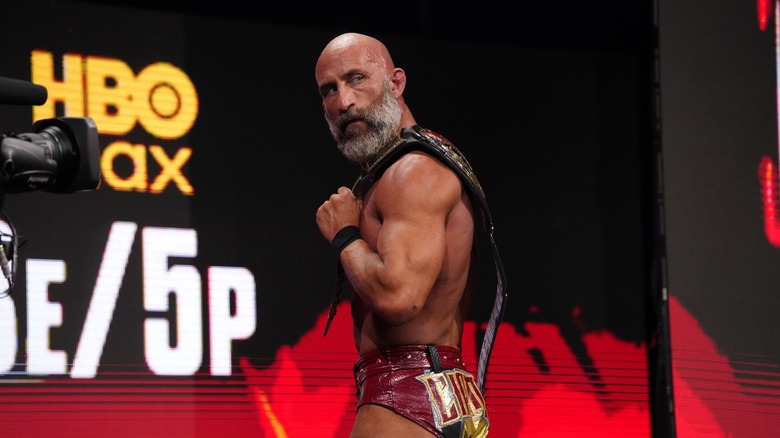
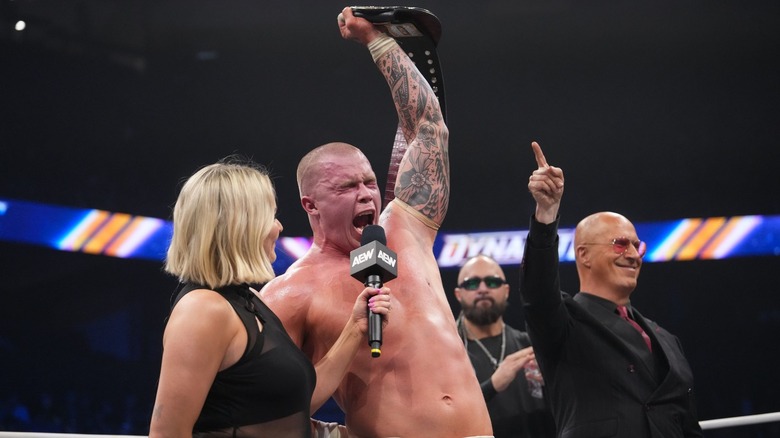
The TNT Championship match between Tommaso Ciampa and Kyle Fletcher was a masterclass in in-ring chemistry and sustained intensity. From the outset, the rapid-fire pace and hard-hitting exchanges established a tone that held the audience captive for the entirety of the bout. Ciampa, making his in-ring debut on Dynamite, seized the opportunity to reintroduce himself to a wider audience, showcasing the veteran acumen and nuanced performance that has defined his career. His subtle actions, from the signature applause and pat on the back to his strategic intervention to beat a ten-count, all contributed to a compelling narrative within the match. The contest was a stark contrast to the often-mediocre fare that can sometimes permeate weekly wrestling programming; instead, this was an engrossing affair that kept viewers on the edge of their seats, eagerly anticipating every development. The conclusion of the match, while potentially divisive, offered a tantalizing glimpse into future storylines. Fletcher’s victory, securing the TNT Championship and bringing gold back to his home country of Australia for the upcoming Grand Slam event, was a significant moment. The immediate establishment of Mark Briscoe as Fletcher’s challenger in a high-stakes Ladder Match at Grand Slam, with Ciampa looming as a potential obstacle, injects immediate intrigue. Coupled with the looming AEW Revolution pay-per-view, this booking creates a fertile ground for compelling storytelling. This championship encounter transcended being merely a standout moment on Dynamite; it has arguably become one of the most impactful and memorable AEW contests of 2026 thus far, underscoring the importance of well-executed championship matches in elevating the prestige of a title.
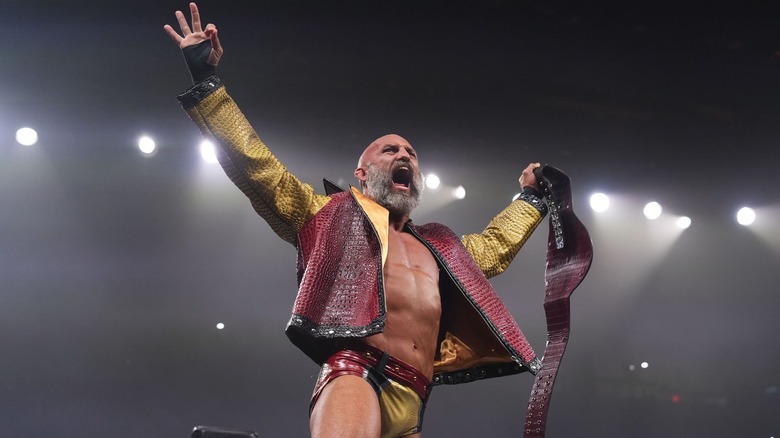
However, the swiftness with which Tommaso Ciampa lost the TNT Championship, a title he had claimed just eleven days prior on AEW Collision, felt prematurely curtailed. While Ciampa’s arrival in AEW was a welcome surprise, and his immediate challenge and victory for the TNT Championship were met with enthusiasm, the subsequent dethroning felt abrupt. The intention behind this booking, to position Kyle Fletcher as a strong champion heading into his homeland’s Grand Slam event and to set up a compelling rematch with Mark Briscoe in a Ladder Match, is understandable. Yet, it leaves Ciampa in a somewhat ambiguous position so early in his AEW tenure. The creative team had even leaned into his established gimmick of treating the championship like a cherished entity, affectionately referring to it as "Silvey," a callback to his "Goldie" moniker with the NXT Championship. This detail suggested a longer reign was envisioned, making its swift end all the more perplexing. Fletcher, having previously held the TNT title with considerable success, might have been better served by a more prominent role in the AEW World Championship picture, given his established track record. While Fletcher’s current trajectory into a high-profile championship bout is logical, Ciampa’s immediate future feels less defined, particularly as a newcomer to the roster. While a future encounter between Ciampa and Fletcher for the championship is a distinct possibility, the rapid transition of the title raises questions about the long-term booking strategy for Ciampa and the overall direction of the TNT Championship narrative.
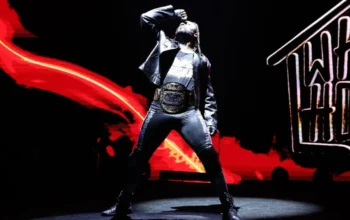
The AEW Women’s World Championship match, a grueling strap match between Kris Statlander and Thekla, culminated in a significant title change. While the timing of the match, running into the program’s overrun, might have felt slightly unconventional, the narrative purpose was clear. Holding the bout on Dynamite, rather than during the crowded Grand Slam Australia card, ensured Thekla’s victory wouldn’t be overshadowed. Thekla’s ascension to the championship throne felt like a logical progression, particularly following their previous encounter. Statlander’s choice of stipulation, the strap match, added an extra layer of brutality, and the interference from Julia Hart and Skye Blue, while predictable, was effectively contextualized by commentary noting the absence of Statlander’s allies, Willow Nightingale and Harley Cameron, who were already in Australia. The post-match angle, with Jamie Hayter and Alex Windsor intervening to aid Statlander against The Sisters of Sin, effectively broadened the scope of the women’s division, potentially igniting new feuds and challenges. Thekla’s victory, while perhaps anticipated, opens up fresh avenues for championship challengers beyond a immediate rematch with Statlander. This outcome positions AEW for compelling storytelling leading into both the Grand Slam event and the subsequent Revolution pay-per-view, solidifying Thekla’s reign as a positive step forward for the division.
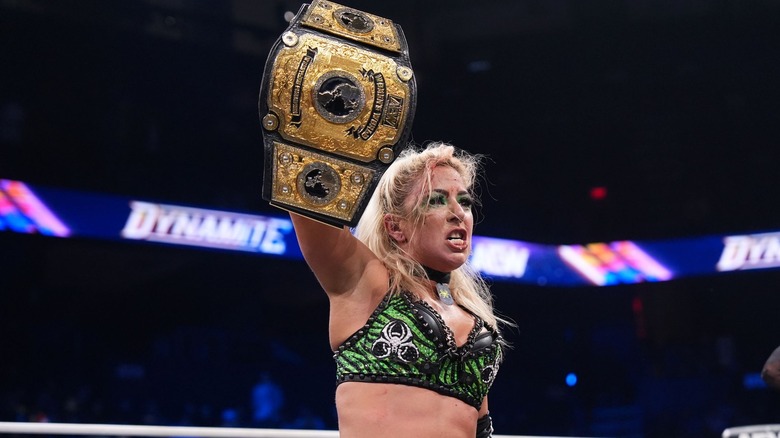
However, a disturbing element within the women’s world title bout was the apparent lack of hygiene surrounding the championship strap itself. The commentary suggesting the strap had been in use for three years without proper cleaning raised a significant concern. The visual of a potentially unsanitized implement being used in such a physically demanding and bloody contest presented a clear health hazard, prompting questions about the production’s oversight. While the intent may have been to emphasize the rugged nature of the contest and the toughness of the competitors, the execution bordered on reckless. The underlying implication of extreme toughness, when taken to such an extreme, can unfortunately appear thoughtless. A basic measure of antiseptic could have preserved the desired aesthetic of grit without compromising the well-being of the performers, a small but crucial detail that was regrettably overlooked.