
As the professional wrestling landscape continues its relentless evolution, TNA Wrestling’s weekly flagship program, “Impact,” delivered its latest pre-taped episode on February 12, 2026, serving as the crucial go-home broadcast ahead of the highly anticipated No Surrender pay-per-view event. The broadcast, airing on AMC, showcased a company grappling with both its established strengths and persistent areas for growth. While TNA boasts a roster brimming with undeniable talent, the challenge of weaving that talent into consistently compelling television remains a central theme. This episode, like many before it during this particular taping cycle, offered a mixed bag, highlighting moments of brilliance alongside segments that left much to be desired. With the energy of the live audience audibly waning as the night progressed, it became clear that the company is at a juncture where strategic storytelling and innovative presentation are paramount to maintaining momentum. As we dissect the events of this broadcast, we aim to provide a comprehensive analysis, moving beyond simple recaps to explore the broader implications for TNA’s current trajectory and its prospects heading into a significant PPV.
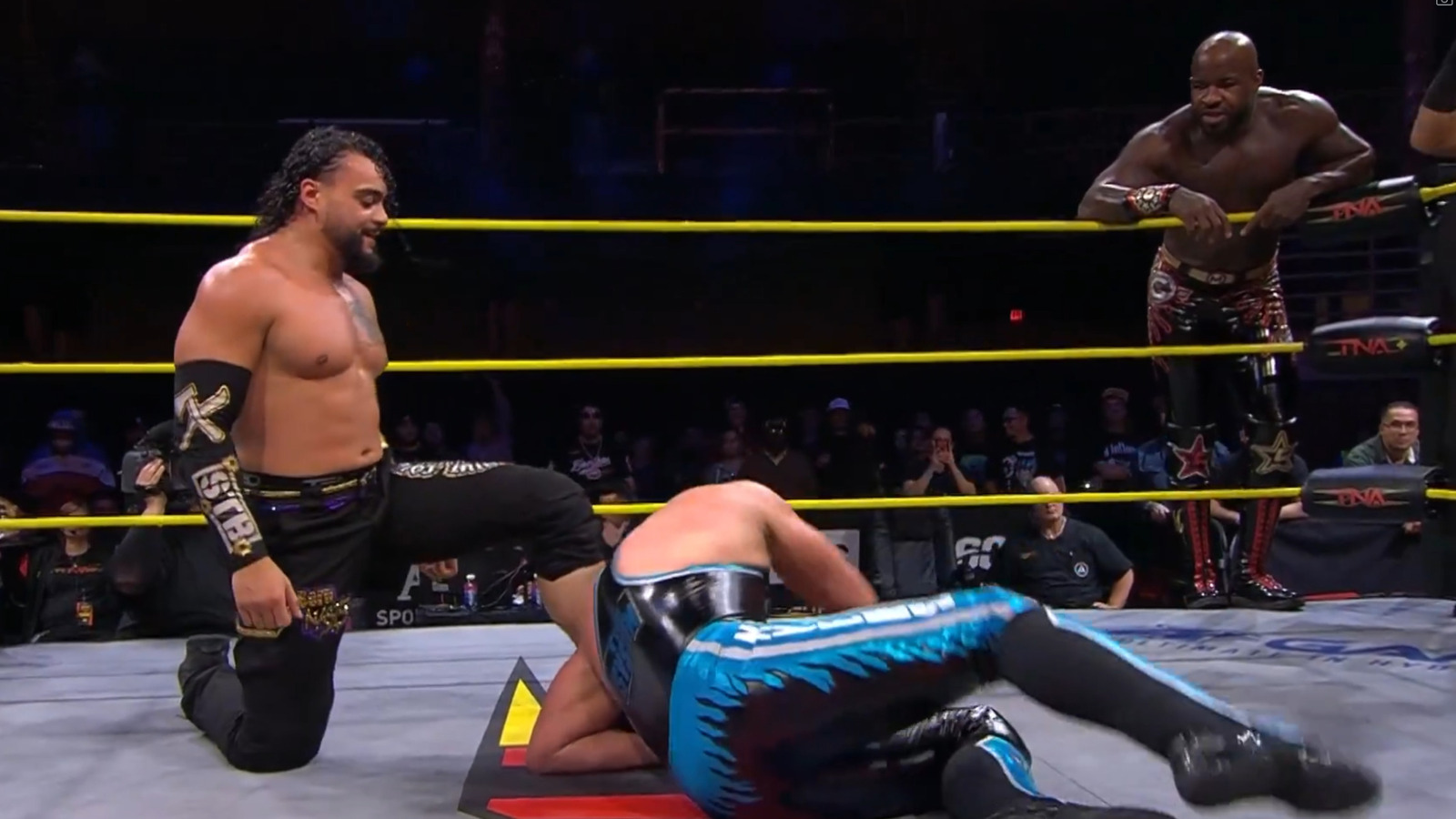
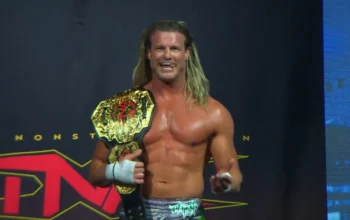
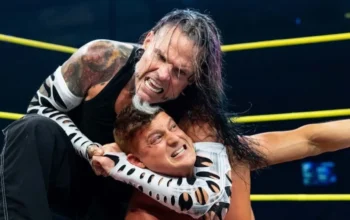
One of the undeniable highlights of the evening was the captivating encounter between Nic Nemeth and Rich Swann. These two seasoned competitors, both former world champions who have left indelible marks on TNA’s history during its most celebrated eras, delivered a masterclass in in-ring psychology and execution. Their match was a testament to the enduring quality of talent that TNA has cultivated over the years. From the opening bell, it was evident that neither Nemeth nor Swann intended to hold back. The action was a dynamic blend of high-impact maneuvers and intricate counter-wrestling, showcasing a level of chemistry that few pairings can achieve. The narrative of the match was painted with aggressive physicality; Nemeth’s daring suplex that sent Swann careening into the unforgiving apron was a particularly brutal sequence that elicited gasps from the audience, a stark reminder of the inherent risks involved in this demanding sport. Yet, Swann’s resilience was on full display as he managed to recover and mount a spirited comeback, demonstrating his veteran savvy. The back-and-forth nature of their contest was further punctuated by a near-fall where Swann seemed poised to secure victory with his signature maneuver. However, Nemeth, ever the strategist, managed to thwart Swann’s attempt and ultimately secured the win with his own devastating offensive sequence. This victory for Nemeth not only adds another compelling chapter to his recent run but also sets a high bar for the caliber of wrestling that TNA aims to deliver. The hope among many fans is that both Nemeth and Swann will continue their ascent, with the potential for another run at the TNA World Championship being a tantalizing prospect for each man, given their singular previous reigns. While the match itself was a resounding success, a minor quibble for some observers was the absence of Swann’s iconic entrance theme, a piece of music that holds significant nostalgic value and adds to his character’s presence.
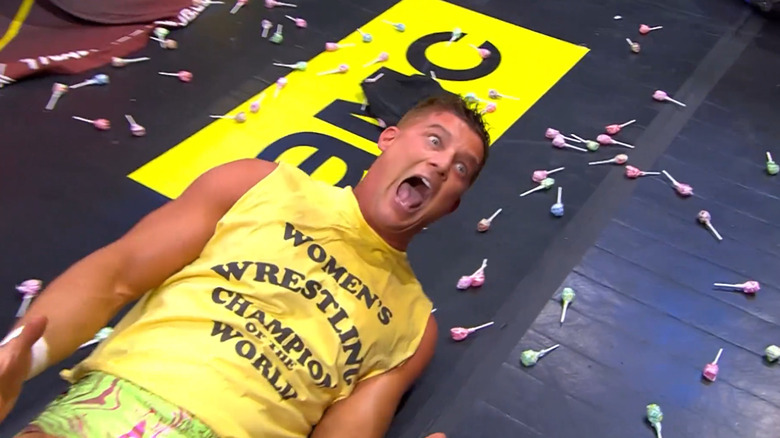
Conversely, the Albuquerque Street Fight featuring Mara Sade and Ryan Nemeth proved to be a significant misstep, embodying a segment that failed to connect with its intended purpose. This bout, ostensibly a rematch from Genesis where Nemeth secured a controversial victory, was intended to be a decisive blow-off to a storyline that had, for many, failed to establish any genuine stakes or intrigue. The pre-match presentation of Nemeth, sporting merchandise proclaiming him the "best women’s wrestling champion in the world," felt jarring and out of place, doing little to endear him to the audience or clarify the narrative’s direction. The match itself descended into a peculiar spectacle. What was advertised as a street fight, hinting at potential brawling and weapon usage, devolved into a surprisingly tame affair. The introduction of a black bag, which many speculated might contain thumbtacks, glass, or even LEGO bricks, ultimately revealed a collection of lollipops. Nemeth’s subsequent selling of a suplex onto this unusual prop was so exaggerated, so over-the-top, that it bordered on the absurd, undermining any semblance of seriousness the bout might have aspired to achieve. While Sade ultimately secured the victory, which was the logical outcome, the overall execution of the segment left viewers questioning its raison d’être. The narrative had failed to build a compelling case for either competitor, and the outcome did little to elevate Sade’s standing towards a potential Knockouts Championship challenge, nor did it significantly impact Nemeth’s already precarious position on the roster. The segment felt like a missed opportunity for intergender wrestling, a subgenre that, when executed thoughtfully, can showcase the diverse talents within a promotion. However, this particular instance did little to bolster the perception of intergender competition and, in fact, risked alienating viewers with its nonsensical presentation.
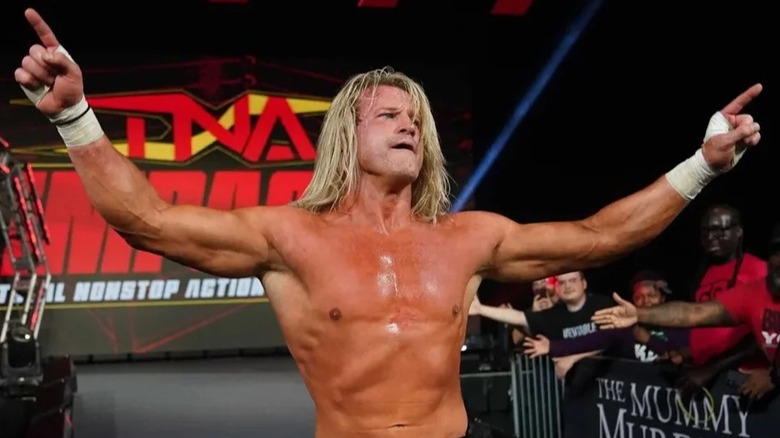
The proactive inclusion of Mustafa Ali in the build-up to No Surrender is a development met with considerable enthusiasm. Ali has emerged as a standout performer during TNA’s recent tenure on AMC, consistently delivering engaging performances and showcasing a charisma that resonates with the audience. His inclusion in a match at No Surrender, even if it necessitates him working twice on the same night, is a welcome sign that TNA recognizes his value and potential as a cornerstone of the company, regardless of whether he maintains his current heel persona or transitions into a fan favorite. The announcement of his Guitar Case Coffin Match against Elijah, stemming from their mixed tag team encounter the previous week, promises an intriguing clash. While the stipulation itself, the "Guitar Case Coffin Match," sounds inherently dangerous and potentially favors Elijah, the prospect of Ali orchestrating a dramatic victory by incapacitating Elijah in an oversized guitar case is a scenario many fans are eager to witness. The only notable absence from this narrative thread was Ali’s physical presence on the February 12th episode itself; his opponent, Elijah, made the announcement via a video package, leaving Ali himself conspicuously absent from the broadcast. This omission, while understandable given the pre-taped nature of the show, did little to build immediate anticipation for Ali’s involvement on the go-home show.
In stark contrast to the positive booking of Mustafa Ali, the segment involving Eric Young and BDE fell short of expectations. While TNA’s commitment to showcasing a diverse range of talent, from established veterans like Young to emerging stars like BDE, is commendable, this particular interaction failed to resonate. The presence of persistent "yes" chants from the audience throughout the initial portion of Young’s promo proved to be a significant distraction, hindering the clarity of his message and detracting from his solo performance. Even for a pre-taped show, where such audial distractions could theoretically be mitigated in post-production, the effect was undeniably detrimental. The more significant issue, however, lay in the segment’s predictability. The narrative arc of BDE aligning with Young was inherently improbable, given BDE’s established character and positive disposition. The lack of logical progression rendered the segment’s premise essentially senseless, with the outcome readily apparent. Furthermore, the inclusion of referees and security personnel felt gratuitous; they served merely as passive observers as Young executed a series of devastating moves, failing to intervene or de-escalate the situation. While the segment’s purpose was to establish the No Surrender match between Young and BDE, a more nuanced approach could have been employed. A prolonged narrative of BDE consistently rejecting Young’s overtures, coupled with escalating attacks from Young, would have fostered a more compelling storyline and potentially allowed for a more extensive rivalry, rather than a single, hastily constructed match. Ultimately, this segment felt like filler, a way to consume airtime without advancing the narrative in a meaningful or engaging manner.
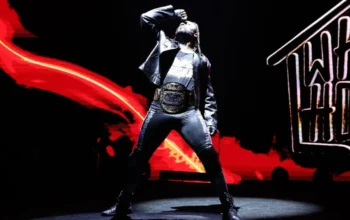
The resurgence of Moose and his declaration of "The System" as an entity that is, was, and forever will be his creation provided a compelling narrative arc for the evening. The core principle of his message is undeniably true: a creator should dictate the rise and fall of their creations. Moose’s powerful in-ring promo, delivered after his ousting from "The System" in previous weeks, conveyed a clear intent to dismantle his former faction and confront its new leader, Eddie Edwards. What makes Moose such a compelling figure is his duality; he excels equally as a villain and a heroic protagonist. The crowd’s palpable support for him during this segment indicated a strong shift in fan sentiment, empowering him as he embarks on this new path. His alliance with the TNA World Champion Mike Santana in the main event, despite their ultimate defeat, demonstrated a strategic maneuver to confront the remnants of "The System" and its key players. While the loss in the tag team main event was a setback, it did little to diminish the impact of Moose’s renewed determination. His declaration of "All Systems Go Bye-Bye" sets a clear and exciting trajectory for his future endeavors, suggesting a period of calculated retribution and the rebuilding of his dominance within the TNA landscape.
However, the overarching sentiment surrounding this episode of "TNA Impact" is one of increasing tedium. For the dedicated members of the Wrestling Inc. crew, and likely for a significant portion of the viewing audience, navigating the weekly broadcast is becoming a chore. While moments of enjoyment were present, a palpable sense of waning enthusiasm has begun to permeate Thursday nights. TNA is at a critical juncture where it must inject a renewed sense of urgency and creativity into its storytelling to avoid stagnation. The current narrative surrounding "The System" fails to captivate, and the reign of Mike Santana as TNA World Champion, while featuring a capable performer, has yet to ignite the passionate engagement necessary for a top-tier champion. Even the positive development of Mustafa Ali’s increased spotlight is overshadowed by the superficial nature of his feud with Elijah. To transcend mere survival and achieve meaningful growth on AMC, TNA must elevate its storytelling game. This involves identifying wrestlers who possess genuine audience connection and the inherent ability to weave compelling narratives, and then strategically pairing them in impactful feuds. Segments involving Steve Maclin, though not always front and center, have demonstrated a flicker of intriguing storytelling; this is the kind of direction TNA needs to cultivate and expand upon. The company desperately needs to discover its spark, as the current creative output suggests a rather bleak outlook for the weeks and months ahead.