The world of professional wrestling is a constant whirlwind of speculation, a vibrant tapestry woven from athletic feats, dramatic storytelling, and an endless stream of whispers regarding what might be next for our favorite performers and promotions. As the industry hurtles forward into late February 2026, the rumor mill is buzzing with intriguing possibilities that could significantly shape the landscape of WWE and All Elite Wrestling. From potential character overhauls in NXT to the intricate dance of creative revisions in AEW, and even the tantalizing prospect of a crossover superstar finding new avenues of mainstream appeal, the undercurrents of change are palpable, inviting fans to ponder the exciting, and sometimes uncertain, future that lies ahead.
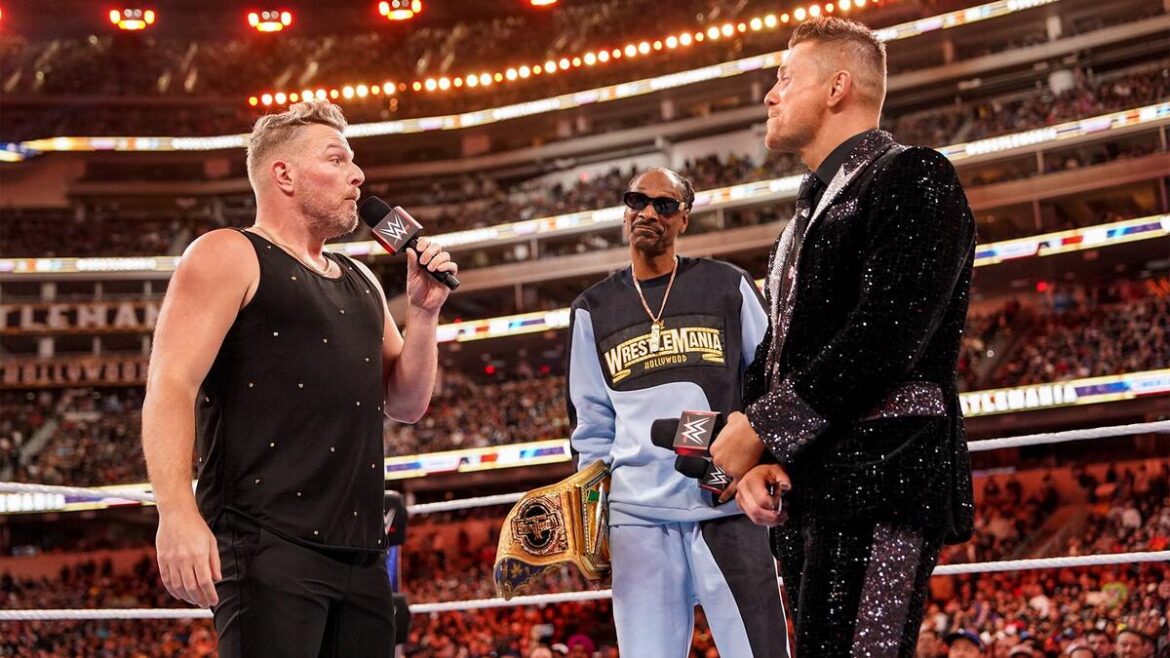
One of the most compelling narratives currently circulating involves the multifaceted career trajectory of Pat McAfee, a personality whose meteoric rise from NFL punter to mainstream media darling and legitimate WWE performer has been nothing short of extraordinary. The latest industry chatter suggests a significant expansion of his horizons, with comparisons being drawn between McAfee and none other than Sylvester Stallone – a reference that immediately conjures images of an athlete-turned-actor conquering Hollywood. This isn’t merely a casual observation; it speaks to a burgeoning belief within entertainment circles that McAfee possesses the unique charisma, physical presence, and undeniable star power to transition successfully into major motion pictures. His journey through various media landscapes provides a robust foundation for such a leap. After a distinguished career with the Indianapolis Colts, McAfee carved out a niche as a highly engaging sports commentator and podcast host, cultivating a loyal following with his unfiltered humor and infectious energy. His eventual foray into professional wrestling commentary for WWE was met with widespread acclaim, his genuine enthusiasm and quick wit breathing fresh life into broadcasts. What truly set him apart, however, were his sporadic yet impactful in-ring appearances. Matches against the likes of Vince McMahon, Happy Corbin, and even his electrifying showdowns at WrestleMania demonstrated not just a willingness to step into the squared circle, but a legitimate aptitude for the craft. His athleticism, storytelling ability within the ropes, and capacity to connect with a live audience are qualities that transcend traditional wrestling entertainment.
The "new Stallone" moniker isn’t tossed around lightly; it reflects the potential for McAfee to follow in the footsteps of other celebrated athletes who have successfully parlayed their physical prowess and public recognition into acting careers. While Dwayne "The Rock" Johnson and John Cena are the most prominent examples from wrestling, transitioning from grappling to global blockbusters, the comparison to Stallone specifically might hint at a different kind of acting role, perhaps leaning into more gritty, action-oriented, or even underdog narratives, akin to Stallone’s iconic "Rocky" persona. The challenge for any public figure making such a crossover is authenticity and the ability to shed their established persona for a new character. McAfee’s natural charisma, however, suggests he might be uniquely equipped to navigate this transition. Should these rumors hold true, it would present both incredible opportunities and potential scheduling conflicts for WWE. McAfee has become an integral part of their broadcast team and a highly anticipated special attraction inside the ring. A successful Hollywood career would undoubtedly demand more of his time, potentially limiting his availability for wrestling commitments. However, the increased mainstream visibility for one of their key personalities would also serve to elevate the WWE brand, attracting new eyes to the product. The prospect of McAfee becoming a bona fide movie star is a fascinating development that underscores the evolving relationship between professional wrestling and the broader entertainment industry, demonstrating how the unique skills honed in the squared circle can translate to the silver screen.
Meanwhile, within the developmental confines of WWE’s NXT brand, whispers suggest a significant creative shift is on the horizon for one of its most distinctive talents: Sol Ruca. The agile competitor, known for her unique "Sol Snatcher" finisher and her vibrant, surf-inspired persona, is reportedly slated for a character change. This kind of creative pivot is a relatively common occurrence in professional wrestling, especially within NXT, which serves as a testing ground for future main roster stars. A character’s gimmick, while initially designed to help them stand out, can sometimes reach a creative ceiling or simply fail to connect with the audience as intended. For a performer like Ruca, whose athleticism and potential are undeniable, a character refresh could be exactly what she needs to ascend to the next level.

Historically, character changes in wrestling have been a double-edged sword. Some have been incredibly successful, breathing new life into a performer’s career and propelling them to superstardom. Think of the drastic shift from "Stone Cold" Steve Austin’s Ringmaster persona to his iconic rebellious anti-hero, or Bray Wyatt’s various incarnations that captivated audiences with their unsettling brilliance. Conversely, many character changes have fallen flat, confusing fans or simply not suiting the performer, ultimately hindering their progress. The art lies in finding a character that genuinely resonates with the individual, allowing them to showcase different facets of their personality and in-ring style. For Sol Ruca, a character change could involve anything from a subtle evolution of her existing surf gimmick, perhaps taking a darker or more serious turn, to a complete overhaul that reimagines her entirely. Could she adopt a more aggressive, no-nonsense persona? Might she align with a new faction, allowing her character to develop through interaction with others? Or perhaps, the change could be geared towards making her more palatable for a main roster call-up, streamlining her presentation for a broader audience. NXT’s track record shows a commitment to refining talent until they are ready, and a character change for Ruca would indicate that the creative team sees immense potential and is actively working to unlock her full star power. This rumor highlights the continuous process of experimentation and adaptation that is crucial for talent development in professional wrestling, emphasizing that a character is never truly static but a constantly evolving entity.
Shifting focus to the competitive landscape of All Elite Wrestling, reports are indicating a period of significant rewrites within their creative process. The notion of rewrites in wrestling is not inherently unusual; the live, week-to-week nature of television production, coupled with the unpredictable variables inherent in a contact sport, necessitates flexibility. However, when such reports gain traction, they often suggest more than just minor tweaks to a segment; they can hint at larger shifts in direction, unexpected challenges, or a re-evaluation of ongoing storylines. AEW, since its inception, has prided itself on offering a more long-term, character-driven storytelling approach, often allowing wrestlers greater input into their creative paths. Therefore, widespread rewrites could be interpreted in several ways.
One common reason for rewrites stems from unforeseen circumstances. Injuries to key talent can derail meticulously planned storylines, forcing the creative team to scramble and devise new angles on short notice. Similarly, talent availability issues, whether due to personal commitments, travel complications, or even contractual disputes, can necessitate immediate changes to television scripts. Another factor could be the ever-present need to react to audience feedback. While AEW has generally maintained a strong connection with its fanbase, certain storylines or character developments may not resonate as strongly as anticipated. In a company that often emphasizes listening to its audience, significant rewrites could be a proactive measure to course-correct and ensure the product remains engaging and compelling. Network notes also play a role; television partners often have input or suggestions that can influence creative decisions, leading to adjustments in content or direction. Furthermore, the dynamic nature of a locker room and the relationships between performers can also impact creative plans. Unexpected chemistry between certain wrestlers, or conversely, a lack thereof, might prompt a re-evaluation of feuds and alliances.
The implications of extensive rewrites for AEW could be varied. On one hand, it demonstrates a willingness to adapt and refine, preventing the product from becoming stagnant. It suggests that the company is actively engaged in trying to deliver the best possible show, even if it means tearing up initial plans. On the other hand, frequent or substantial rewrites can sometimes lead to disjointed storytelling, where long-term arcs lose their coherence or character motivations become muddled. It can also place immense pressure on the talent, who must quickly learn and execute new segments, sometimes with little preparation. For a promotion that has prided itself on consistent, logical storytelling, the extent and frequency of these rewrites will be a critical point of observation for fans and industry analysts alike. It could signal a period of intense creative introspection, perhaps in response to competitive pressures or an internal desire to push the boundaries of their current narrative style. Regardless of the underlying cause, the active rewriting process within AEW underscores the constant, high-stakes creative juggling act that defines professional wrestling at the top level, where every week presents a new opportunity to captivate an audience and solidify a brand’s identity.
As these various rumors swirl through the wrestling world in late February 2026, they collectively paint a picture of an industry perpetually in motion, where careers can pivot dramatically, and creative visions are constantly being shaped and reshaped. Pat McAfee’s potential foray into mainstream acting beyond wrestling speaks to the evolving celebrity status of wrestling personalities and their increasing crossover appeal, blurring the lines between sports entertainment and Hollywood. Sol Ruca’s rumored character change in NXT highlights the vital role of developmental systems in honing talent, ensuring that future stars are given every opportunity to find the persona that will define their careers. And the reports of AEW rewrites serve as a potent reminder of the intricate, often chaotic, yet ultimately thrilling process of producing live professional wrestling television, where adaptability and a keen understanding of the audience are paramount. While these whispers remain unconfirmed, they offer a tantalizing glimpse into the strategic decisions and creative endeavors that underpin the drama, athleticism, and larger-than-life spectacle that fans around the globe cherish. The ongoing narrative of professional wrestling is not just what unfolds in the ring or on screen, but also in the fertile ground of speculation, where every rumor holds the potential to become the next defining moment.