The landscape of professional wrestling in the mid-1980s was a vibrant tapestry, a period of seismic shifts and unforgettable spectacles that would forever mold the industry. The years 1986 and 1987, in particular, stand as titans, brimming with monumental events, groundbreaking storylines, and the emergence of legends. This era witnessed the sport’s transition from a regional attraction to a global phenomenon, fueled by the creative forces and athletic prowess of its performers. It was a time of burgeoning empires, fierce rivalries, and the consolidation of power, all unfolding against a backdrop of dramatic storytelling and unparalleled in-ring action. These twelve months were not merely a segment of wrestling history; they were a foundational period, laying the groundwork for the blockbuster spectacles and complex narratives that continue to define professional wrestling today.
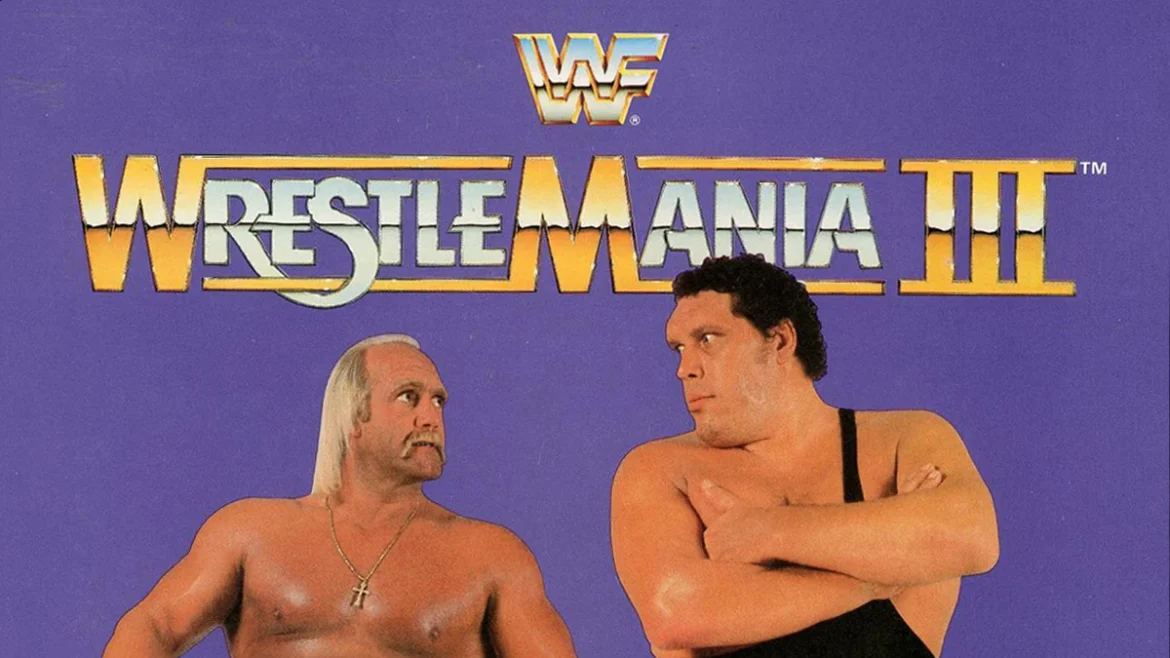
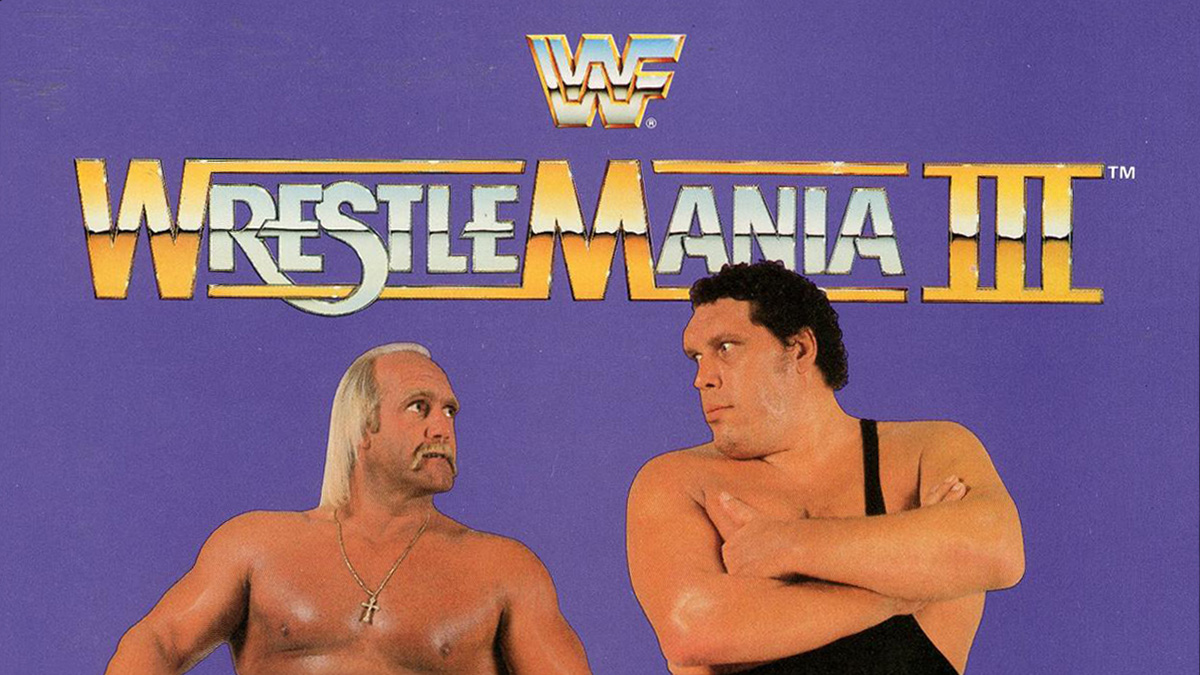
Delving into the annals of 1986 and 1987 reveals a rich vein of wrestling history, far beyond the surface-level narratives often presented. For instance, the true attendance figures for WrestleMania III in 1987, a watershed moment for the World Wrestling Federation, have long been a subject of debate and meticulous research. The official attendance, a staggering 93,173 at the Pontiac Silverdome, was a record-breaking figure at the time, cementing the WWF’s dominance and Hulk Hogan’s status as its reigning icon. This event wasn’t just a wrestling show; it was a cultural phenomenon, a testament to Vince McMahon Jr.’s vision of transforming wrestling into mainstream entertainment. The build-up to Hogan vs. Andre the Giant was a masterclass in storytelling, tapping into the primal fear of the unknown and the established hero facing an insurmountable, almost mythical, challenger. The image of Hogan slamming the "8th Wonder of the World" remains etched in the collective memory of wrestling fans, a definitive visual of the era’s grandiosity. Beyond the main event, the card was packed with memorable bouts, including the iconic Intercontinental Championship match between Randy "Macho Man" Savage and Ricky "The Dragon" Steamboat, a contest often cited as one of the greatest in WWE history, showcasing a level of technical proficiency and dramatic flair that elevated the perception of wrestling matches.
The National Wrestling Alliance, under the stewardship of Jim Crockett Promotions, was also carving out its own significant legacy during this period, particularly through its prestigious Jim Crockett Sr. Memorial Tag Team Tournaments in both 1986 and 1987. These tournaments were not mere showcases for tag teams; they were intricate narratives that defined the NWA’s tag team division and provided a platform for emerging talent and established pairings to shine. The 1986 tournament, for example, culminated in a thrilling final that saw the Road Warriors, arguably the most dominant tag team of the era, face off against the rival Midnight Express. The intensity and physicality of these matches, often featuring the Road Warriors’ raw power against the strategic cunning and high-octane offense of the Midnight Express, captivated audiences and reinforced the NWA’s commitment to strong tag team wrestling. The 1987 edition continued this tradition, offering another platform for top-tier tag teams to compete for supremacy, further solidifying the NWA’s reputation for delivering exceptional tag team action. These tournaments served as crucial plot devices, driving storylines and creating memorable moments that contributed to the NWA’s competitive standing against the WWF.
The American Wrestling Association, though perhaps not reaching the same commercial heights as the WWF or NWA, maintained its distinct identity and contributed significantly to the wrestling landscape. In 1986, the AWA presented WrestleRock, a notable event that showcased the promotion’s stars and continued its tradition of delivering solid wrestling. While the AWA’s national reach might have been more limited compared to its rivals, it cultivated a loyal fanbase and provided a breeding ground for unique characters and compelling rivalries. The presence of figures like Curt Hennig, Nick Bockwinkel, and the Road Warriors (before their full NWA ascent) ensured that the AWA remained a relevant player, offering a different flavor of professional wrestling that appealed to a discerning audience.
Beyond the United States, wrestling in 1986 and 1987 was experiencing its own unique evolutions and triumphs. Japan, with its distinct style and passionate fanbase, was home to legendary promotions like New Japan Pro-Wrestling and All Japan Pro Wrestling, which were producing some of the most technically gifted wrestlers in the world. The intense strong style of NJPW, epitomized by stars like Antonio Inoki and Riki Choshu, contrasted with the more structured, realistic approach of AJPW under Giant Baba, featuring icons like Jumbo Tsuruta and Genichiro Tenryu. The inter-promotional rivalries and the sheer athletic artistry on display in Japanese wrestling during this period were unparalleled, influencing wrestlers and fans globally. Canada, too, had a vibrant wrestling scene, with Stampede Wrestling in Calgary producing a generation of exceptional talent, including the Hart family, who would go on to global fame. Mexico’s Lucha Libre, with its high-flying acrobatics, masked luchadores, and dramatic storytelling, continued to captivate audiences, with stars like El Santo and Blue Demon Jr. leaving an indelible mark. These international scenes were not isolated entities; they were integral threads in the global tapestry of professional wrestling, contributing to its ever-expanding appeal and influencing its development.

However, the exuberance and spectacle of this golden era were tragically overshadowed by a darker reality: the burgeoning drug death epidemic that began to cast a long shadow over professional wrestling. The period of 1986 and 1987 saw the devastating consequences of substance abuse claim the lives of several prominent performers. This was not an isolated issue but a systemic problem that had been simmering for years, exacerbated by the demanding schedules, physical toll, and often-secretive nature of the wrestling business. The loss of these talented individuals was not only a personal tragedy for their families and friends but also a stark wake-up call for the industry, prompting introspection and, eventually, efforts to address the pervasive problem of drug use and addiction among wrestlers.
Adding to the somber narrative of this era were the unfortunate career-ending accidents that befell some of wrestling’s brightest stars. The devastating car wreck that prematurely ended the promising career of Magnum T.A. in 1986 was a particularly heart-wrenching event. Magnum T.A. was on the cusp of becoming a major star, his charismatic presence and powerful in-ring style making him a fan favorite. His accident served as a stark reminder of the inherent dangers of the profession, not just within the confines of the wrestling ring but also on the open road, where wrestlers often spent countless hours traveling between shows. Such incidents underscored the fragility of careers in professional wrestling and the profound personal sacrifices made by those who dedicated their lives to entertaining audiences. These tragic events, while deeply saddening, also highlighted the resilience of the wrestling community, which, in the face of such adversity, continued to persevere and evolve. The stories woven within these two years are a complex blend of triumph and tragedy, innovation and tradition, all contributing to a rich and enduring legacy in the world of professional wrestling.