The Friday Night SmackDown broadcast on March 20th, 2026, unfurled a tapestry woven with raw aggression, psychological warfare, and surprising developments, solidifying its place as one of the most compelling episodes in recent memory. From its explosive opening to its shocking conclusion, the evening was a relentless barrage of moments that left the global WWE Universe buzzing, further intensifying the already feverish anticipation for WrestleMania 42. This particular installment of the blue brand showcased a roster in flux, with established stars embracing new, darker facets of their personas, and long-standing feuds escalating to unprecedented levels of personal animosity, all under the watchful, yet increasingly beleaguered, eye of General Manager Nick Aldis.
The program ignited with an immediate, visceral shockwave as Drew McIntyre, the Scottish Warrior, unleashed an act of unparalleled fury upon Jacob Fatu. The scene, unfolding in the parking area, was nothing short of cinematic chaos. McIntyre, a man known for his intensity but rarely for such unbridled, destructive rage, approached a parked vehicle with a singular, menacing purpose. In a display of almost superhuman strength, he violently tore the windscreen from its housing, a visceral act that underscored his complete disregard for protocol or personal safety. His objective became clear as he dragged a stunned Jacob Fatu from the shattered confines of the vehicle, proceeding to repeatedly smash Fatu’s head against the metallic surface of the car’s bonnet. This was not merely an attack; it was a statement, a declaration of intent steeped in brutal, unflinching violence, signaling that their rivalry had transcended the boundaries of the squared circle. The sheer ferocity of McIntyre’s actions sent a clear message: he was operating on a different plane of aggression, fueled by an almost primal desire for retribution.
General Manager Nick Aldis, visibly exasperated and perhaps a little terrified by the escalating lawlessness permeating his brand, quickly intervened. His threats of termination, though a recurring theme in his attempts to rein in the roster’s more volatile elements, carried a weight of genuine frustration this time. Aldis, a figure who prides himself on order and managerial control, finds himself increasingly powerless against the tide of chaos, particularly from a superstar who had recently flirted with resigning from the company altogether. The image of the authoritative GM losing his grip on the situation only added to the sense of unpredictability that permeated the entire evening. Despite the initial onslaught, Jacob Fatu, demonstrating remarkable resilience, eventually rallied. He found his second wind, retaliating by driving McIntyre through the announcers’ table with a splash that, while perhaps not visually the most impactful, nevertheless reverberated through the arena, eliciting a palpable reaction from the live audience. McIntyre absorbed the brunt of the impact directly to his face, a telling image that further emphasized the brutal nature of their ongoing conflict. This wasn’t a match designed for falls or submissions; it was a sustained, street-fight style brawl that spilled across the entire arena, culminating in a perilous fall from a considerable height onto what appeared to be a concrete surface, prompting Aldis’s frantic calls for immediate medical assistance. The boundary between professional wrestling and unscripted mayhem blurred, leaving everyone questioning the long-term physical toll on both combatants.
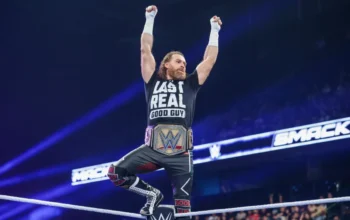
Beyond the raw physicality, a profound psychological transformation was unfolding within Sami Zayn. For months, Zayn has grappled with an internal conflict, torn between his inherent desire to do good and the harsh realities of a professional landscape that often rewards ruthlessness. The wisdom that success, not moral purity, dictates legacy seemed to be finally sinking in. This evolving philosophy, that the outcome justifies the means and that history is indeed written by the victors, echoes the timeless adage of wrestling legends who achieved greatness by any means necessary, their controversial tactics often forgotten in the shadow of their championship reigns. Zayn’s internal monologue, often expressed in earnest interviews, was interrupted by the brash presence of Trick Williams, a burgeoning talent who seems to be positioning himself as an antagonist to Sami’s journey of self-discovery. This interference wasn’t a one-off; Williams later inserted himself into Zayn’s scheduled contest against Aleister Black, a competitor who, ironically, has been subtly nudging Sami towards embracing a more pragmatic, darker approach to his career. The culmination of these interruptions was a frustrating defeat for Sami. His emotions, always close to the surface, boiled over, leading him to confront Williams outside the ring. This momentary lapse in focus proved costly, as he re-entered the ring only to be met by a devastating Black Mass from Aleister Black, securing a pinfall victory for the enigmatic Dutchman. The defeat, while a setback, felt like another critical step in Sami’s psychological evolution, pushing him closer to the precipice of a definitive character shift. He is on the verge of shedding the virtuous persona that has defined him for so long, poised to embrace the necessary ruthlessness required to ascend to the pinnacle of sports entertainment.
Perhaps the most jarring and compelling narrative of the evening revolved around Randy Orton. Just a week prior, the Viper had sent shockwaves through the industry with a heel turn that shattered long-held alliances and expectations. Yet, the thunderous ovation that greeted his entrance on this night was a testament to his enduring popularity and the unique relationship he shares with the WWE faithful. This paradoxical reception raised intriguing questions: did the audience appreciate the audacity of his shift, or did it speak to a deeper understanding of the ruthless pursuit of greatness that defines the professional wrestling ethos? Orton delivered a chillingly articulate message, one that Sami Zayn, and indeed many aspiring competitors, desperately needed to internalize. His legacy, Orton declared, would not be defined by fleeting moments of fan adulation or the smiles he put on young faces, but by the sheer volume of championship gold he had draped around his own waist. This cold, hard truth resonated with the audience, who, despite Orton’s villainous turn, cheered his declaration, seemingly acknowledging the brutal realities of ambition in the world of competitive sports entertainment.
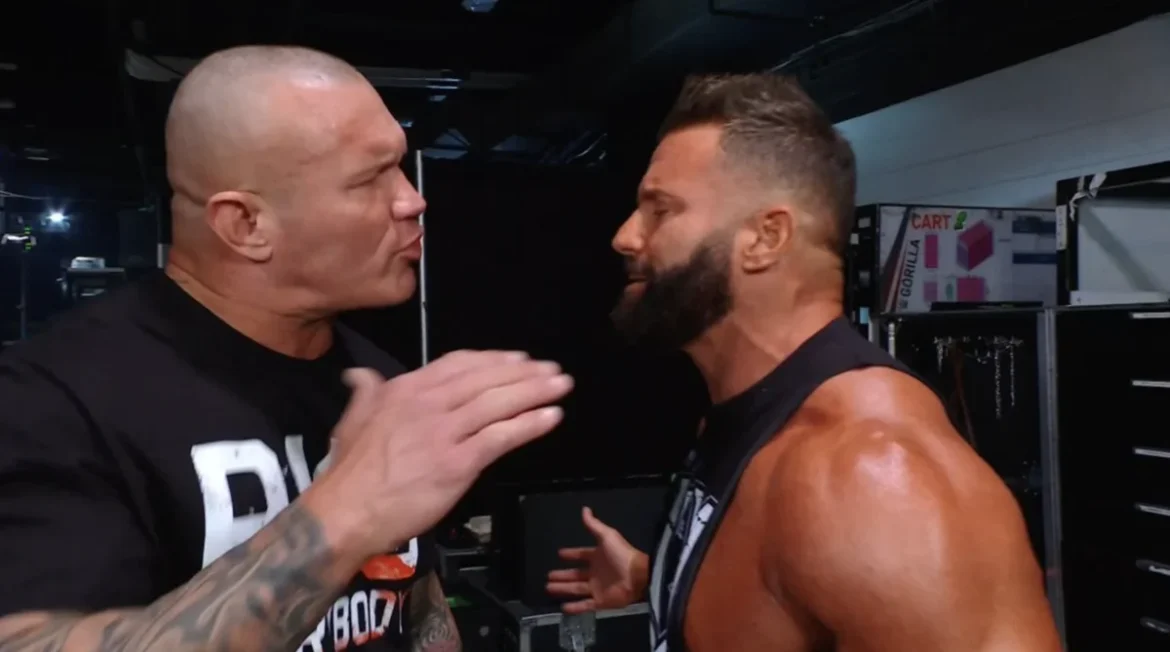
Orton further elaborated on his actions, particularly concerning Cody Rhodes. He professed an enduring, almost fraternal affection for the American Nightmare, yet asserted that it was Rhodes himself who had inadvertently freed him from the burden of his conscience by requesting a return to this more predatory version of Randy Orton. The "voices in his head," a long-standing and sinister aspect of his character, were now in complete control, guiding him towards a collision course with Rhodes for the WWE Championship at WrestleMania 42. This meticulously crafted promo was a masterclass in establishing a clear, high-stakes narrative for one of the company’s marquee events, signaling an impending seismic clash between two generational talents. The segment wasn’t the last we saw of Orton’s evolving villainy. Backstage, he encountered Matt Cardona, formerly known to the WWE Universe as Zack Ryder. Cardona, attempting to intercede on behalf of his friend Cody Rhodes, was met with a torrent of disdain, dismissed as a "sycophantic lackey" and an "independent circuit journeyman" before being laid out with a forceful forearm. Cardona’s earnest plea, "Come on, dude," as Orton’s aggression mounted, added a touch of tragicomic realism to the encounter, highlighting the helplessness of those caught in the Viper’s path.
Later in the broadcast, a surprising interlude occurred when Orton crossed paths with musical sensation Jelly Roll. The acclaimed artist, known for his uplifting messages and genuine spirit, attempted to appeal to Orton’s dormant good nature. Jelly Roll eloquently spoke of Randy’s inherent "beautiful soul," reminding him that titles are fleeting, but the bonds of family, friendship, and loyalty endure forever. Remarkably, Orton seemed to consider these words, even asking what he was expected to do. Jelly Roll, with unwavering conviction, suggested he apologize to Cardona. For a moment, it appeared as though Jelly Roll’s sincerity might have pierced the hardened exterior of the Viper. The narrative took another unexpected turn when Orton received a phone call, ostensibly from an unseen party, which seemed to prompt a change of heart. He made his way back to the ring, proclaiming his intent to "fix things." He called Cardona back out, offering a seemingly heartfelt apology and promising to extend the same gesture to Cody Rhodes the following week. The arena held its breath as Orton embraced Cardona, a gesture that, for a fleeting second, suggested redemption. However, the Viper’s true colors quickly resurfaced. The embrace was a cruel ruse, immediately followed by a devastating low blow. Orton then tore Cardona’s shirt, methodically dismantling him in a manner eerily reminiscent of his brutal assault on Cody Rhodes just seven days prior. Despite the visible distress of WWE personnel attempting to intervene and appeal to his better judgment, Orton remained unyielding. The segment culminated in a sickening image: Cardona’s arm trapped in a steel chair, subjected to Orton’s ruthless stomp, an act that further cemented his transformation into a truly despicable antagonist. The chilling irony was that a segment so replete with villainy actually saw sections of the audience chant "one more time," a testament to Orton’s masterful ability to evoke strong reactions, regardless of their moral alignment. This complex interplay of hatred and twisted admiration highlighted the unique psychology of the wrestling fanbase.
The women’s championship picture also saw significant developments, though not without raising some interesting questions about character consistency. Jade Cargill, the reigning champion, continued to portray herself as an outsider, seemingly indifferent to the traditions and emotional investment typically associated with professional wrestling. Her public declaration that she neither "needs" the championship she holds nor "needs" the wrestling industry itself presented a fascinating, if somewhat unconventional, champion persona. This narrative contrasts sharply with Rhea Ripley, who is being positioned as the passionate defender of the industry’s honor, driven by a deep love and respect for the craft. The juxtaposition of Cargill’s detached dominance against Ripley’s fiery dedication creates a compelling dynamic, but the angle has been criticized for feeling somewhat inauthentic at times, with the rivalry largely characterized by blunt, aggressive verbal exchanges rather than nuanced storytelling. However, a surprising twist injected new life into the storyline. Just as Cargill appeared poised to make a defiant exit, Michin and B-Fab, armed with a kendo stick, emerged. What followed was an unexpected alliance: after months of feuding with Cargill, the two women shockingly joined forces with the champion. This unexplained pact, while raising immediate questions about their motivations, instantly bolstered Cargill’s position, providing her with a formidable new support system and adding an intriguing layer of complexity to the women’s division.
Finally, the evening also featured a memorable celebrity appearance that transcended the usual promotional cross-over. Jelly Roll, whose earlier interaction with Randy Orton hinted at his compassionate nature, found himself on the receiving end of a scathing verbal assault from the self-proclaimed "greatest artist of our time," Kit Wilson. Wilson, known for his unconventional and often abrasive artistic expressions, delivered a blistering, rhyme-laden critique of Jelly Roll, targeting everything from his physical appearance and past legal troubles to his inspirational messaging. His words, delivered with a theatrical flair, were designed to be deeply personal and offensive, pushing the boundaries of traditional verbal sparring. However, Jelly Roll, far from being a passive participant, proved to be an equally adept wordsmith. He fired back with an impromptu, cutting retort that not only parried Wilson’s insults but turned them back on his tormentor with surprising wit and ferocity. This impromptu rap battle was a delightful throwback to an era when verbal dexterity and spontaneous comebacks were celebrated, a moment of genuine, unscripted entertainment that showcased Jelly Roll’s unexpected aptitude for the quick-witted verbal jousting that defines wrestling’s more theatrical segments. His willingness to engage in such a heated exchange, and to hold his own against a seasoned provocateur like Wilson, earned him considerable respect and added a unique flavor to an already action-packed evening.
In sum, the March 20th edition of Friday Night SmackDown was a masterclass in dynamic storytelling, blending brutal in-ring action with intricate character development and shocking narrative twists. From McIntyre and Fatu’s escalating, lawless feud to Sami Zayn’s ongoing moral struggle, and especially Randy Orton’s chilling descent into unadulterated villainy, the show consistently delivered high-impact moments. The evolving women’s championship narrative and the surprisingly engaging celebrity interaction further underscored the diverse and compelling nature of the broadcast. This was an episode that transcended mere weekly programming, serving as a powerful, momentum-building chapter on the turbulent road to WrestleMania 42, leaving the audience thoroughly entertained and eagerly anticipating the next installment of this captivating saga.