The professional wrestling landscape remains an ever-shifting tapestry, woven with threads of athletic spectacle, dramatic storytelling, and the enduring quest for mainstream recognition. From the thunderous roar of weekly televised battles to the quiet rumblings of industry reform and the global expansion of unique combat sports cultures, the business continues to evolve at a relentless pace. Recent discussions among industry observers highlight a multitude of pressing topics, encompassing the utilization of generational talents, the competitive struggle for viewership, the pursuit of prestigious awards, and critical debates over athlete welfare, all painting a vivid picture of a dynamic and often tumultuous entertainment sphere.
One of the most compelling narratives in contemporary professional wrestling revolves around the presence and impact of crossover stars, a category undeniably headlined by the "Baddest Woman on the Planet," Ronda Rousey. Her trajectory from Olympic medalist in judo to UFC Bantamweight Champion, and subsequently to a dominant force within World Wrestling Entertainment, exemplifies the power of celebrity and legitimate athletic prowess in capturing the public imagination. Rousey’s initial foray into WWE in 2018 was met with immense fanfare, her natural charisma and believable physicality immediately elevating her to main event status. She quickly proved to be a natural, adapting to the intricate dance of sports entertainment with remarkable speed, culminating in her historic WrestleMania 35 main event alongside Charlotte Flair and Becky Lynch, a pivotal moment for women’s wrestling. Her subsequent departures and returns have always generated significant buzz, underscoring her undeniable star power. However, her recent runs have invited critical discourse regarding character development, consistency in booking, and the balance between her undeniable drawing ability and the long-term growth of the wider roster. Her presence continues to spark debate about how best to integrate such a high-profile, part-time performer into a weekly narrative structure, ensuring both her star remains bright and the full-time roster isn’t overshadowed. The nuanced utilization of a talent like Rousey remains a strategic puzzle for WWE creative, always aiming to maximize her impact while nurturing the next generation of headliners.
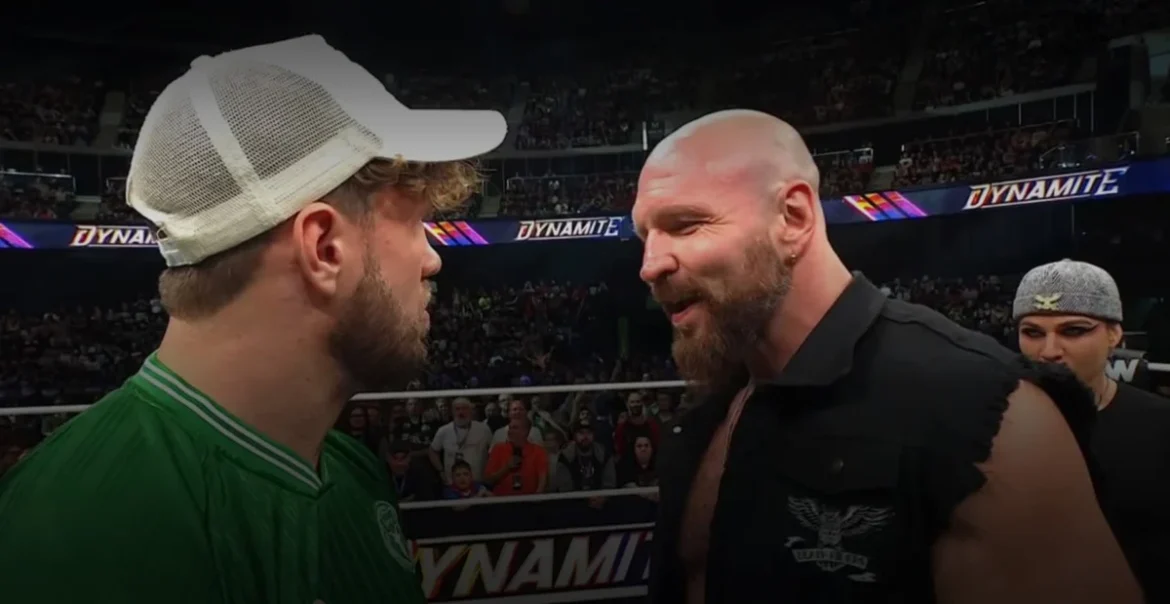
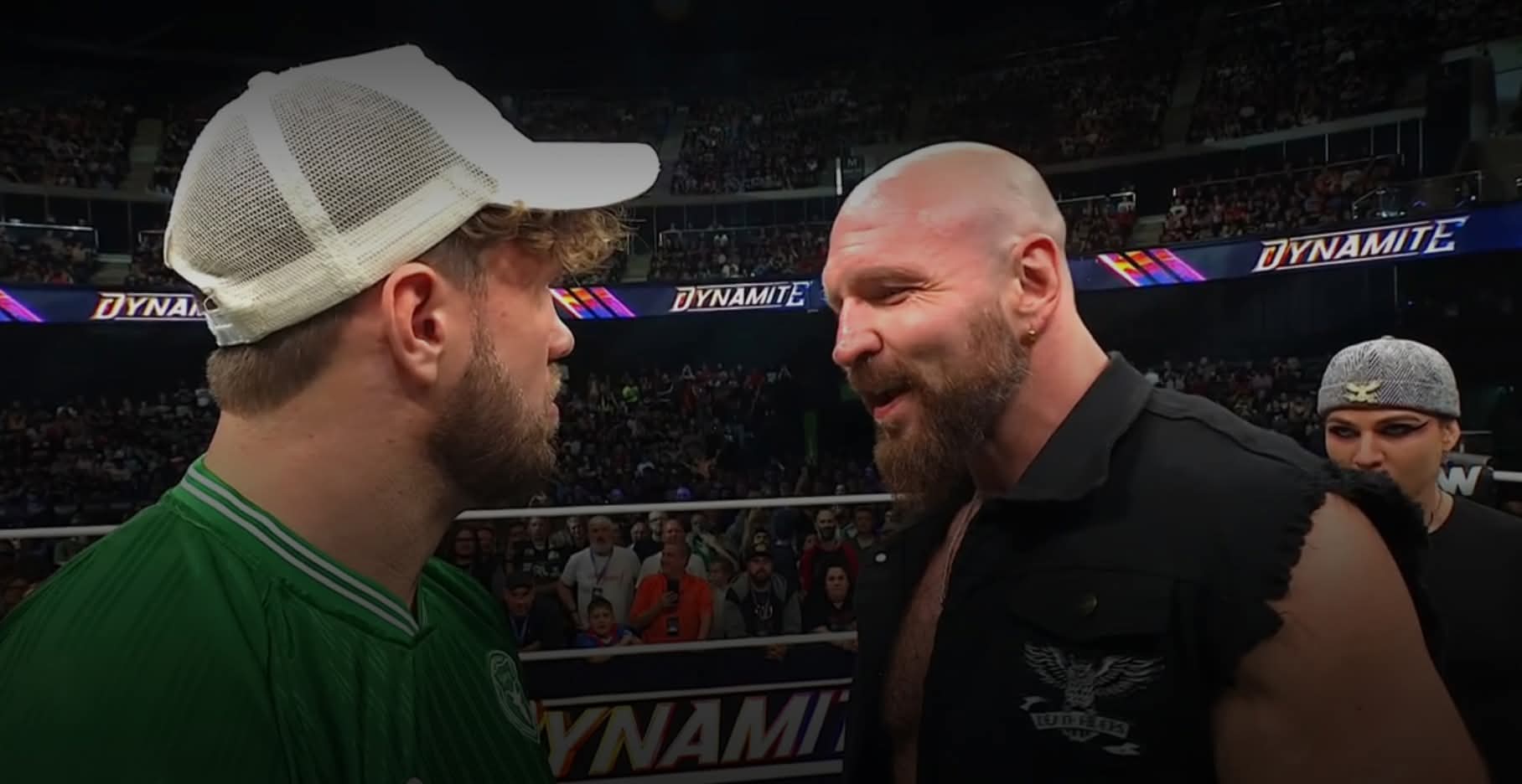
Beyond individual star power, the competitive pulse of professional wrestling beats strongest in the weekly television arena, primarily through the ongoing rivalry between All Elite Wrestling’s Dynamite and World Wrestling Entertainment’s NXT. While the direct head-to-head "Wednesday Night Wars" concluded some time ago with NXT’s move to Tuesday evenings, the underlying competition for viewership and market share persists. Both programs serve as critical battlegrounds for talent, storytelling, and network relationships, with every ratings report scrutinized by fans and industry insiders alike. AEW Dynamite, broadcast on TBS, has solidified its position as a vibrant alternative, known for its fast-paced action, diverse roster, and a more adult-oriented product. Its weekly broadcasts often feature high-stakes matches, significant title defenses, and the advancement of intricate storylines that appeal to a dedicated fanbase. The show’s ability to consistently draw strong numbers in key demographics is vital for its continued growth and for securing future lucrative television deals. Meanwhile, WWE NXT, airing on USA Network, has undergone a significant transformation, embracing a more collegiate, developmental aesthetic. While still showcasing incredibly talented athletes, its focus has shifted, aiming to cultivate new stars with a more polished, sports-entertainment presentation. The performance of NXT in the ratings is crucial for WWE’s talent pipeline and for demonstrating the enduring appeal of its developmental brand. Both shows are indispensable to their respective companies, representing not just weekly entertainment but also strategic investments in the future of the sport, with their respective viewership figures dictating momentum and influencing creative direction.
The broader recognition of professional wrestling as a legitimate form of entertainment continues to be a driving force within the industry, and nominations for prestigious awards like the Sports Emmys serve as significant milestones. WWE’s Unreal series being considered for such an honor highlights the company’s commitment to high-quality production and its growing ability to transcend the traditional boundaries of sports entertainment. Unreal delves into the behind-the-scenes aspects of WWE, offering fans an unprecedented look at the human drama, dedication, and meticulous planning that goes into crafting their larger-than-life spectacles. A Sports Emmy nomination is not merely an accolade for a specific program; it signifies a broader acceptance of wrestling’s narrative depth, technical execution, and compelling storytelling by the wider entertainment industry. It helps to dismantle outdated perceptions, positioning WWE not just as a niche sport but as a global media powerhouse capable of producing content on par with mainstream documentaries and reality programming. Such recognition can open doors to new audiences, attract additional corporate sponsorships, and further legitimize the art form in the eyes of critics and casual viewers alike, validating the efforts of countless individuals who contribute to WWE’s vast content output.
Moving beyond the domestic American scene, the global tapestry of professional wrestling offers diverse styles and cultural nuances. Iconic venues like Arena México in Mexico City stand as testaments to the rich history and enduring popularity of lucha libre. This legendary arena, often referred to as the "Cathedral of Lucha Libre," has hosted countless masked heroes and villainous rudos for decades, serving as the spiritual home for Consejo Mundial de Lucha Libre (CMLL), one of the oldest wrestling promotions in the world. The atmosphere inside Arena México is electrifying, a sensory overload of vibrant colors, intricate masks, acrobatic maneuvers, and passionate crowd participation. Lucha libre is more than just wrestling; it’s a cultural phenomenon deeply embedded in Mexican society, a unique blend of sport, theatre, and tradition passed down through generations. The performances there are a masterclass in aerial artistry, rapid-fire sequences, and the classic struggle between good and evil, often culminating in high-stakes Lucha de Apuestas where masks or hair are on the line. The continued vibrancy of Arena México underscores the universal appeal of wrestling, demonstrating how different cultures interpret and celebrate the sport in their own unique and spectacular ways, maintaining traditions while constantly innovating within their distinct frameworks.
In stark contrast, yet equally compelling, is the burgeoning popularity of promotions like Tokyo Joshi Pro Wrestling (TJPW) in Japan. TJPW represents a fascinating facet of joshi puroresu, or Japanese women’s wrestling, known for its unique blend of athleticism, compelling character work, and often lighthearted, charismatic presentation. While rooted in the hard-hitting style often associated with Japanese wrestling, TJPW cultivates a distinct identity, emphasizing strong individual personalities, innovative move sets, and a narrative style that resonates with a growing international fanbase. The promotion has garnered significant attention through its digital presence and partnerships, allowing fans worldwide to experience its captivating roster of talent. From technical masterpieces to high-flying spectacles and comedic interlude, TJPW offers a diverse viewing experience, showcasing the incredible depth and versatility of its performers. The success of promotions like TJPW highlights the global interconnectedness of modern wrestling, where niche markets can cultivate a dedicated following that transcends geographical boundaries, enriching the overall landscape with fresh perspectives and unique stylistic approaches that contribute to the sport’s global appeal and constant evolution.
Amidst the thrilling contests and global expansions, the professional wrestling industry also grapples with serious discussions concerning athlete welfare and labor rights, epitomized by the recurring debate surrounding the Muhammad Ali Boxing Reform Act, commonly known as the Ali Act. Originally enacted in 2000 to protect boxers from exploitative practices, the Ali Act addresses issues such as promoter conflicts of interest, mandatory disclosures, and the establishment of independent sanctioning bodies. Its potential application to professional wrestling has been a topic of fervent discussion for years, primarily due to the contentious "independent contractor" status of most professional wrestlers. Unlike athletes in major sports leagues who are unionized and often benefit from collective bargaining agreements, healthcare, and pensions, wrestlers are typically classified as independent contractors, leaving them vulnerable to various contractual limitations and lacking many traditional employment benefits. Advocates for applying the Ali Act to wrestling argue that it would provide much-needed protections, granting wrestlers more leverage in contract negotiations, ensuring greater transparency, and potentially leading to better long-term health benefits and post-career support. The physical toll of professional wrestling is immense, with a high incidence of injuries and long-term health issues. Opponents of its application, often within promotion management, contend that wrestling is distinct from boxing due to its predetermined outcomes and entertainment focus, arguing that applying the Act would fundamentally alter the business model and stifle creative freedom. This ongoing dialogue underscores a critical tension within the industry: balancing the entertainment spectacle with the imperative to ensure fair treatment and robust protections for the athletes who risk their bodies nightly.

The journey from amateur wrestling glory to professional wrestling stardom is a path fraught with both immense potential and significant challenges, a reality perfectly embodied by the highly anticipated, yet still unfolding, career of Gable Steveson. An Olympic gold medalist in freestyle wrestling at the 2020 Tokyo Games, Steveson arrived in WWE with a level of legitimate athletic pedigree rarely seen in the industry. His collegiate career at the University of Minnesota was legendary, culminating in multiple NCAA championships and an undefeated final season. Such an unparalleled amateur background naturally generated tremendous hype, with many envisioning him as a future cornerstone of WWE. The transition, however, is notoriously difficult. Professional wrestling demands not only elite athleticism but also a mastery of character work, mic skills, in-ring psychology, and the ability to connect with an audience on an emotional level – skills that are entirely separate from competitive grappling. While Steveson possesses the raw physical tools and an undeniable aura, his journey into the unique world of sports entertainment has been a gradual one. He has spent time honing his craft at the WWE Performance Center, making sporadic appearances on television, but has yet to fully break out as a consistent main roster performer. His progression is a testament to the intricate learning curve involved, demonstrating that even the most decorated amateur athletes require significant time and dedication to adapt to the nuanced demands of the professional wrestling ring, where storytelling and showmanship are as crucial as legitimate athletic prowess. His development is keenly watched, as he represents the potential future of crossover success, yet also the inherent difficulties in translating one form of athletic excellence into another.
The confluence of these diverse topics — from the drawing power of part-time legends like Ronda Rousey and the intense weekly television battles between AEW Dynamite and WWE NXT, to the industry’s pursuit of mainstream accolades with Unreal‘s Emmy nomination, the vibrant global cultures of Arena México and Tokyo Joshi Pro, the critical ethical debates surrounding the Ali Act, and the developmental journey of future stars like Gable Steveson — paints a comprehensive picture of a professional wrestling industry that is perpetually in motion. It is an industry navigating the complexities of commercial success, artistic integrity, and athlete welfare, all while striving to captivate a global audience. The ongoing discussions and developments across these various fronts are not isolated incidents but interconnected facets of a larger narrative, one that speaks to the enduring appeal and remarkable adaptability of sports entertainment. As the landscape continues to evolve, these dialogues will undoubtedly shape the future trajectory of professional wrestling, defining its successes, addressing its challenges, and ensuring its vibrant presence in the entertainment world for years to come.