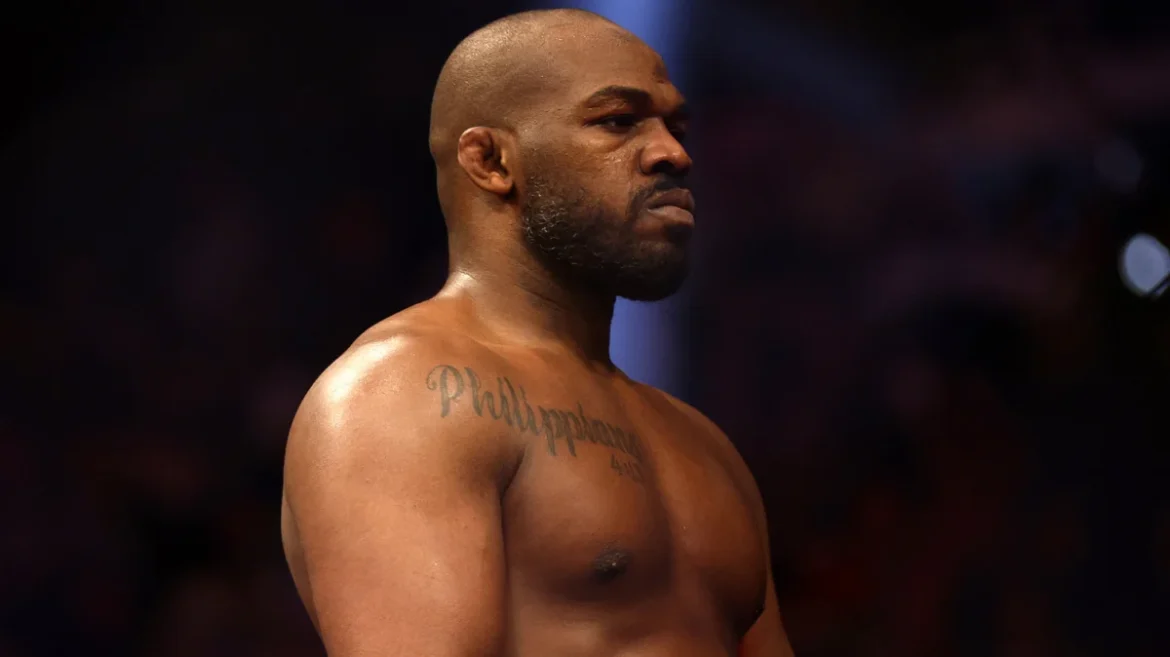
In the often tumultuous landscape of professional combat sports, where the lines between athlete and entertainer blur and the pursuit of sporting supremacy frequently collides with the harsh realities of business, a significant contractual dispute has captivated the attention of fans and industry observers alike. The central figure in this unfolding drama is none other than Jon Jones, widely regarded as one of the greatest mixed martial artists of all time. While the specifics of his current impasse with the Ultimate Fighting Championship (UFC) are multifaceted, the narrative has taken an interesting turn with the emergence of support from a fellow heavyweight kingpin, Francis Ngannou, a fighter who himself navigated a high-profile departure from the very same promotion. This show of solidarity from Ngannou, a man who understands intimately the pressures and financial considerations faced by elite athletes in the sport, highlights a persistent undercurrent of discussion surrounding fighter compensation and contractual fairness within the UFC.
The genesis of the current friction can be traced back to discussions surrounding a hypothetical return to competition for Jones, who has been on a hiatus from the octagon since his dominant performance against Ciryl Gane in January 2023, a victory that secured him the undisputed UFC Heavyweight Championship. Speculation had been rife about a potential showdown on a highly publicized event, reportedly dubbed "Freedom 250," slated to take place at the White House in June. This event, intended to be a prestigious showcase, seemed like a logical platform for Jones’s anticipated comeback. However, the official announcement of the fight card proceeded without his name being attached. This omission quickly led to a public statement from UFC President Dana White, who asserted that Jones had never been formally considered for the event and, more pointedly, suggested that the legendary fighter might be nearing the end of his active MMA career.
This pronouncement from White served as a catalyst for Jones to break his silence and address the situation directly. He refuted the notion that he was never in consideration, asserting that he had indeed been in negotiations for a return. More significantly, Jones articulated his dissatisfaction with the financial terms being offered, describing them as a "lowball" offer. He specifically referenced the UFC’s unwillingness to move beyond a proposed figure of $15 million for a potential superfight against current middleweight and light heavyweight champion Alex Pereira. For a fighter of Jones’s stature, who has consistently delivered blockbuster performances and commanded significant fan interest throughout his illustrious career, such an offer was perceived as a considerable disrespect. The disparity between his perceived market value and the UFC’s offer ignited a broader conversation about fair compensation for top-tier talent.
The issue of fighter pay has long been a contentious point within the MMA community, and the UFC, as the dominant force in the sport, often finds itself at the center of these debates. The promotion’s revenue streams are substantial, and while fighters are the individuals who put their bodies on the line and create the spectacle that drives those revenues, their share of the profits has frequently been a subject of scrutiny. This is further complicated by the UFC’s parent company, Endeavor, which also owns Zuffa Boxing, leading to comparisons and sometimes confusion regarding financial structures across different combat sports ventures. Ngannou’s own experience with the UFC is a salient example of these ongoing tensions. His departure from the promotion in early 2023, after failing to reach an agreement on a new contract, was largely driven by his desire for better financial terms and greater control over his career, particularly his ability to pursue lucrative boxing opportunities.
It was within this context that Francis Ngannou, now a prominent figure in the Professional Fighters League (PFL) and a former UFC Heavyweight Champion himself, voiced his support for Jon Jones. Ngannou, in a recent interview with prominent MMA journalist Ariel Helwani, expressed his concern and empathy for Jones’s situation. He argued that if a fighter of Jones’s caliber, often referred to as the "GOAT" (Greatest Of All Time), is being subjected to what he perceives as unfavorable financial treatment, it serves as a stark indicator of how fighters at lower contractual tiers are likely being compensated. This perspective resonates deeply within the fighter community, as it suggests a systemic issue rather than an isolated incident. Ngannou’s advocacy for Jones is not merely a matter of personal friendship, but a principled stance rooted in his own experiences and a broader commitment to improving the financial standing of his fellow athletes.
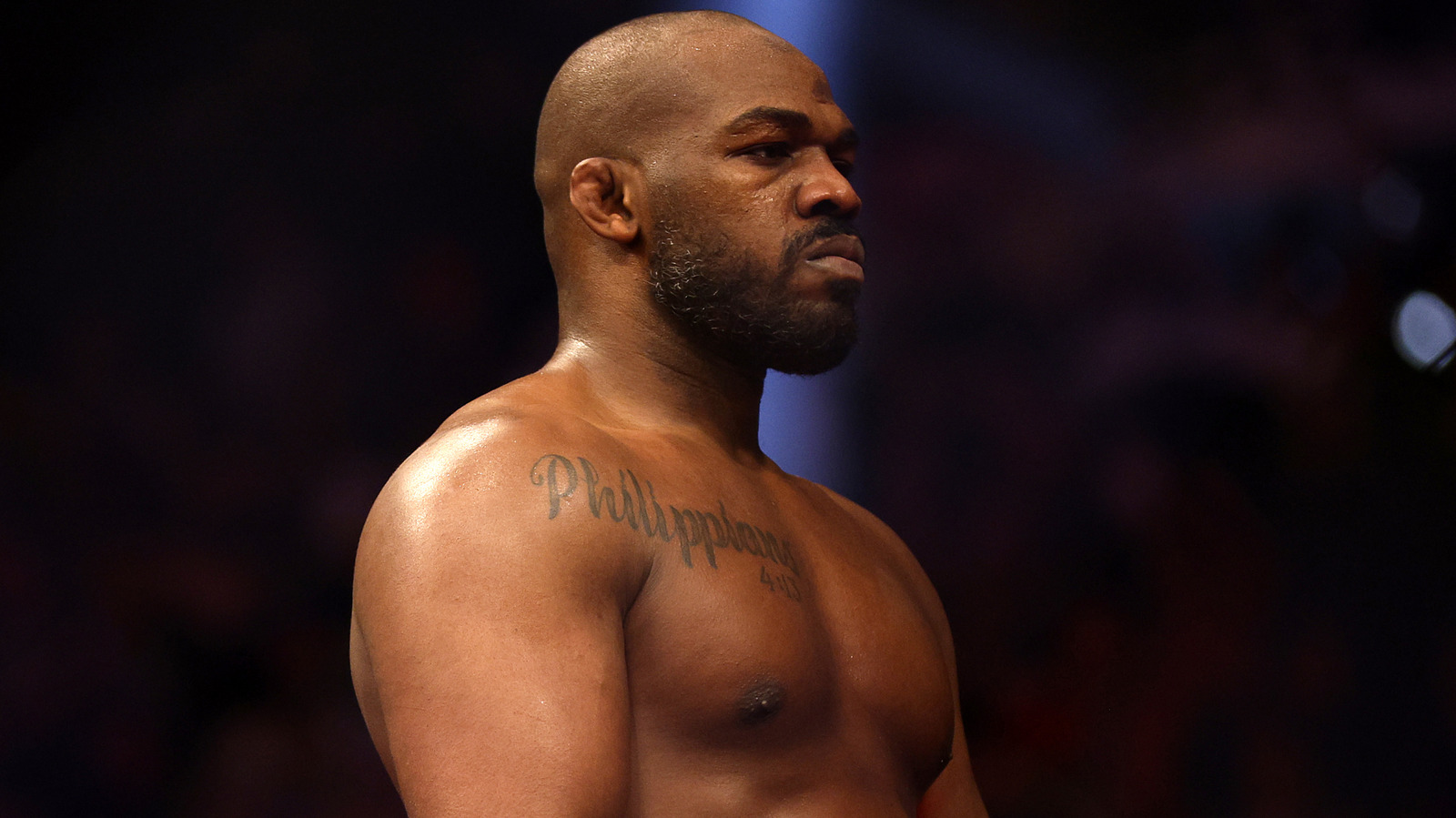
Jon Jones, in turn, publicly acknowledged and appreciated Ngannou’s solidarity. He took to his Instagram Stories to express his gratitude, sharing a clip of Ngannou’s interview and directly addressing his former heavyweight rival. "I appreciate you advocating for me, Francis," Jones wrote, a simple yet powerful statement that underscored the significance of Ngannou’s support. This exchange highlights the camaraderie that can exist among elite athletes, even those who have shared a professional rivalry, when faced with common challenges within the industry. It also serves to amplify the message that the concerns raised by Jones are being heard and validated by influential figures within the sport.
The ripple effect of this dispute extends beyond just Jones and Ngannou. Even the current UFC Heavyweight Champion, Tom Aspinall, has weighed in on the matter, offering his support to Jones. Aspinall, who won the interim title in Jones’s absence, has publicly agreed that a fighter of Jones’s caliber deserves to be compensated appropriately for his contributions and his status within the sport. This unified front among prominent fighters, including the reigning champion and a former champion who also experienced contractual disputes, lends significant weight to the argument for improved fighter pay and fairer contract negotiations. It suggests a growing consensus within the active roster that the current system may not be adequately rewarding its most valuable assets.
The situation also raises questions about the UFC’s long-term strategy and its relationship with its star talent. Jon Jones has been the face of the promotion for over a decade, consistently delivering memorable performances and holding a record of dominance that is virtually unparalleled. His decision to hold out for a more equitable contract, while understandable from a personal and professional standpoint, places the UFC in a difficult position. If the promotion is unwilling to meet the financial expectations of its most decorated athletes, it risks alienating them, potentially leading to further departures or a decline in the quality of marquee matchups. This could have significant implications for the brand’s appeal and its ability to generate future revenue.
Furthermore, the dispute brings to the forefront the concept of athlete empowerment in the modern sports landscape. As athletes become more educated about their market value and have access to platforms to voice their concerns, they are increasingly willing to negotiate from a position of strength. The rise of player associations in traditional sports leagues and the growing influence of social media have provided athletes with the tools to collectively advocate for their interests. While a formal union for MMA fighters akin to those in professional basketball or American football remains elusive, the actions of fighters like Jones and Ngannou, and the public support they garner, represent a significant step towards greater collective bargaining power.
The narrative of Jon Jones’s contractual dispute is not merely a footnote in his illustrious career; it is a chapter that speaks to the broader economic realities of professional fighting. It is a story that echoes the experiences of many athletes who dedicate their lives to mastering their craft, only to find themselves in protracted negotiations over their worth. The intervention and vocal support of Francis Ngannou, a fighter who has walked a similar path and understands the intricacies of these negotiations, adds a compelling layer to this unfolding drama. As the situation continues to develop, it serves as a potent reminder of the ongoing dialogue surrounding fair compensation, athlete rights, and the delicate balance of power between promoters and the individuals who make the sport so captivating. The eyes of the combat sports world will undoubtedly remain fixed on this evolving saga, eager to see how this high-stakes negotiation ultimately concludes and what implications it might have for the future of fighter compensation and contractual agreements within the UFC and beyond.