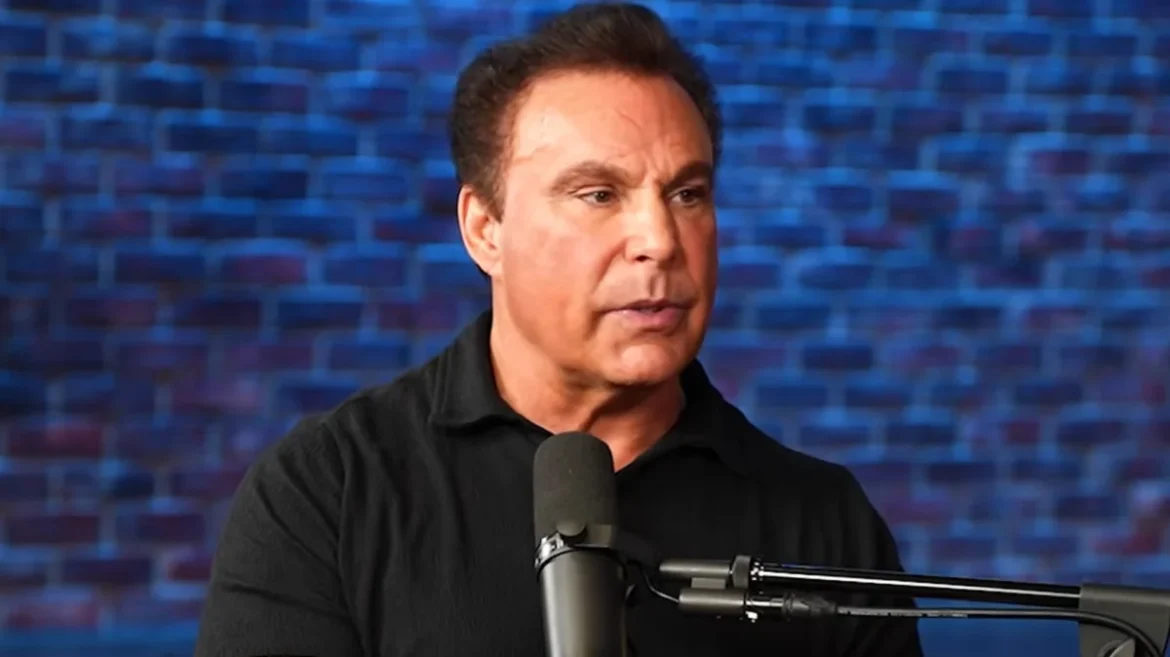
The transition from one major wrestling promotion to another is a pivotal moment in any performer’s career, a leap of faith often fueled by the promise of greater opportunities and a more prominent spotlight. For Marc Mero, the move from World Championship Wrestling (WCW) to the World Wrestling Federation (WWF, now WWE) in the mid-1990s was precisely that – a calculated step he believed would propel him into the upper echelon of sports entertainment. Yet, as he candidly reflected in a recent interview, the path to the summit proved far more complex and arduous than he had initially envisioned, hindered not just by creative decisions but by a subtle, yet pervasive, undercurrent of animosity within the locker room and a disconnect with the very audience he sought to captivate.
Upon his arrival in Stamford, Connecticut, Mero harbored a clear ambition: to ascend to the top of the WWF’s roster. He envisioned himself as a featured player, a cornerstone of the company’s major storylines and a contender for its most prestigious championships. However, this vision began to fracture during his initial conversations with Vince McMahon, the creative architect and driving force behind the WWF. The initial discussions, Mero recalled, centered on adapting his existing persona from WCW. This was a common practice, a way to leverage a wrestler’s established appeal and marketability. Yet, due to ongoing legal disputes between the two wrestling juggernauts at the time, a direct replication of his previous character was deemed unfeasible. This legal entanglement forced a creative pivot, leading to the birth of a new, and ultimately ill-fitting, gimmick for Mero: the "Wild Man."
The concept of the "Wild Man" was pitched to Mero by McMahon, who, in his characteristic fashion, sought to imbue the character with a primal, untamed essence. The defining characteristic, as Mero recounted, was the expectation of a signature Tarzan-like yell. Mero, however, was upfront about his limitations. He explained to McMahon that his vocal capabilities were not suited for such a performance, that he lacked the powerful projection required for a convincing jungle roar. Despite this candid admission, the "Wild Man" persona was greenlit, a decision that Mero felt immediately created a chasm between himself and the character. He didn’t connect with it, nor did he feel it authentically represented his wrestling style or personality. This lack of personal investment, he believes, was a fundamental flaw that prevented the audience from truly embracing the "Wild Man" character, leading to a lukewarm reception and a failure to forge a strong, lasting bond with the fanbase.
Beyond the creative missteps, a confluence of personal and professional circumstances contributed to Mero’s struggle to gain traction. A significant factor, he revealed, was his romantic involvement with Sable, a rising star within the WWF’s women’s division. Their on-screen pairing, intended to create a power couple dynamic, inadvertently created a sense of separation and, in some instances, resentment within the male locker room. Mero admitted that his confidence wavered due to these circumstances, and he felt "not well-liked." This sentiment stemmed, in part, from the fact that he was one of the first wrestlers to receive a guaranteed contract from Vince McMahon. This was a revolutionary concept at the time, as most performers were paid based on their appearances and matches.
The guaranteed contract, coupled with the arrangement for Sable to travel with him everywhere, meant Mero was less inclined to participate in the informal social rituals that often bonded wrestlers together. He wasn’t spending evenings at bars, sharing stories, or engaging in the camaraderie that typically forged connections backstage. This perceived aloofness, born out of logistical necessities and contractual arrangements, bred an atmosphere of jealousy and isolation. Wrestlers who were grinding week-to-week, without the security of a guaranteed paycheck or the constant companionship of a partner, may have viewed Mero’s situation with envy, further contributing to his alienation. He recognized that this perceived privilege and detachment fostered an environment where he wasn’t easily integrated into the locker room’s social fabric.
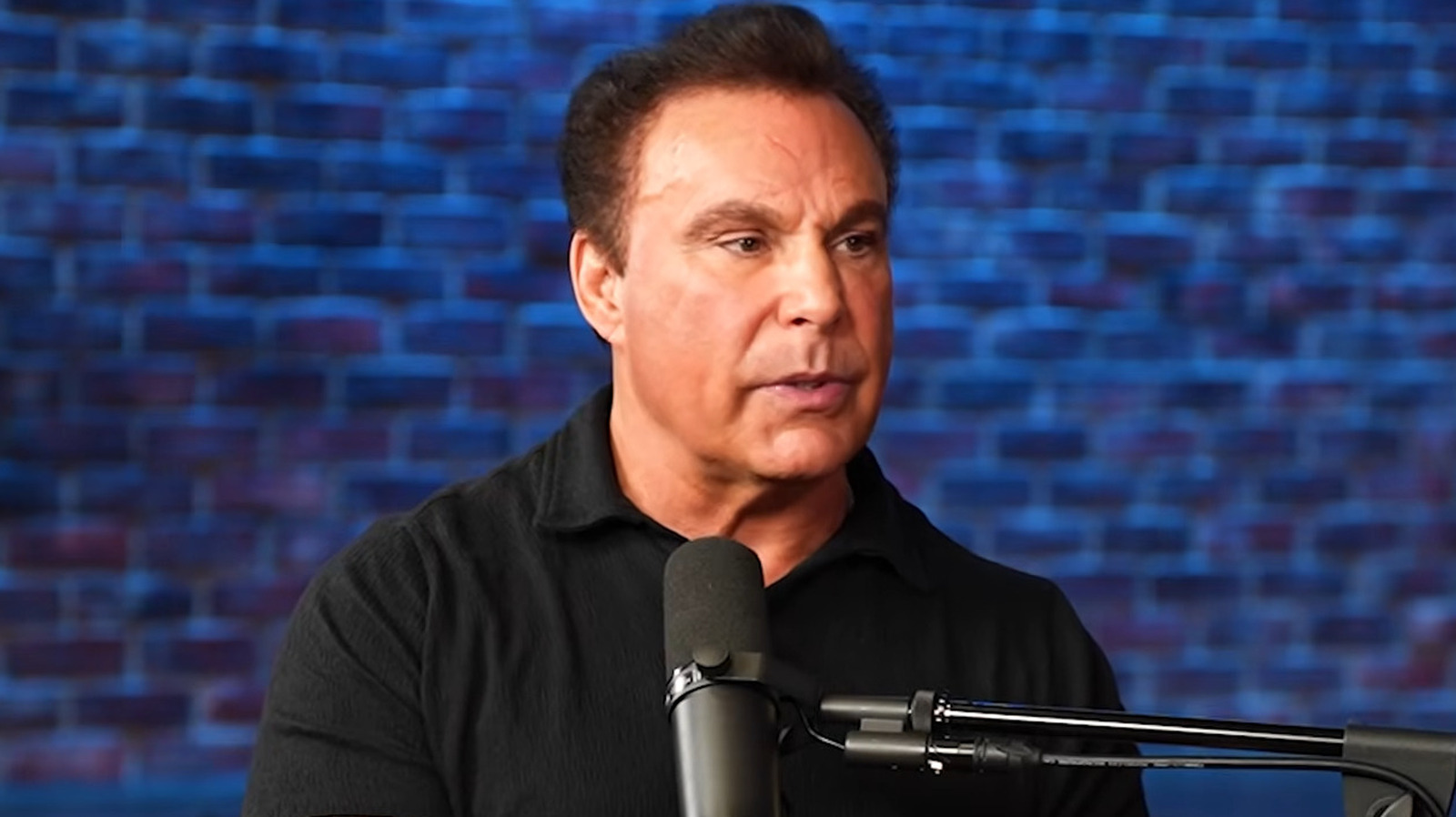
Mero’s tenure with the WWF, which lasted until 1999, saw him participate in a respectable number of high-profile events. He competed in twenty pay-per-view matches, including appearances in the Royal Rumble and Survivor Series, two of the company’s most significant annual spectacles. He also achieved a measure of in-ring success, capturing the Intercontinental Championship, a significant mid-card title that served as a stepping stone for many future main eventers. However, despite these accomplishments, he never reached the coveted main event status or held a world championship, a goal he clearly aspired to. The "Wild Man" persona, the audience’s lack of connection, and the backstage dynamics all played a role in this ceiling being placed upon his career trajectory.
The era in which Mero performed was a period of intense competition and seismic shifts in the professional wrestling landscape. The Monday Night Wars between WCW and WWF were at their zenith, pushing both companies to innovate and elevate their rosters. New stars were emerging constantly, and the demand for compelling characters and captivating storylines was immense. For a performer to break through and establish themselves as a top-tier talent, it required a perfect storm of creative booking, audience reception, and backstage chemistry. Mero’s experience highlights the intricate interplay of these factors.
His background as a decorated amateur wrestler and his subsequent success in WCW as Johnny B. Badd demonstrated his in-ring prowess and charisma. The transition to the WWF, however, presented a different set of challenges. McMahon’s vision for characters often leaned towards the larger-than-life and the theatrically exaggerated. The "Wild Man" character, as Mero described it, was a departure from his established identity and lacked the organic appeal that had garnered him attention previously. This disconnect between performer and gimmick is a recurring theme in wrestling history, often hindering the potential of talented individuals. When a wrestler cannot genuinely inhabit a character, it becomes a performance rather than an authentic expression, and audiences tend to sense that disconnect.
Furthermore, the wrestling locker room has always been a unique ecosystem, governed by unwritten rules and a strong sense of fraternity, or sometimes, exclusion. For newcomers, or those perceived as receiving preferential treatment, navigating these dynamics can be particularly challenging. Mero’s guaranteed contract and his wife’s concurrent rise to prominence created a perception of him being on a different track than many of his peers. While his situation was a result of business arrangements, the perception of privilege could easily breed resentment, especially in a profession that often demands immense sacrifice and camaraderie. The shared experiences of grueling travel schedules, physical toll, and constant performance pressure often forge bonds, and when an individual appears to be insulated from some of these shared hardships, it can create a subtle but significant barrier.
The "Wild Man" character’s failure to resonate with the audience was a critical blow to Mero’s aspirations. In professional wrestling, the audience is the ultimate arbiter of success. Their cheers and boos, their investment in a performer’s journey, are what fuel the engine of the industry. When a character fails to elicit a strong emotional response, whether positive or negative, it signifies a fundamental breakdown in communication between the performer and the fans. Mero’s own admission that he didn’t relate to the character suggests that his performance lacked the conviction and authenticity that captivates viewers. The inability to deliver a convincing Tarzan yell, a seemingly minor detail, symbolized a broader inability to fully commit to the essence of the "Wild Man" persona.
Looking back, Mero’s reflections offer a valuable insight into the complex, often invisible, forces that shape a wrestler’s career. It’s not solely about talent in the ring or charisma on the microphone. It’s also about the creative direction provided, the perception of fairness within the industry, and the ability to forge genuine connections with both the audience and fellow performers. His journey underscores the fact that even with significant talent and ambition, reaching the pinnacle of professional wrestling requires a delicate balance of external support and internal resonance. The WWF in the late 1990s was a fertile ground for stars, but it was also a highly competitive environment where the margins for error were slim. Marc Mero’s experience serves as a poignant reminder that sometimes, the greatest challenges a wrestler faces are not in the squared circle, but in the intricate web of backstage politics, creative decisions, and the elusive connection with the fans.