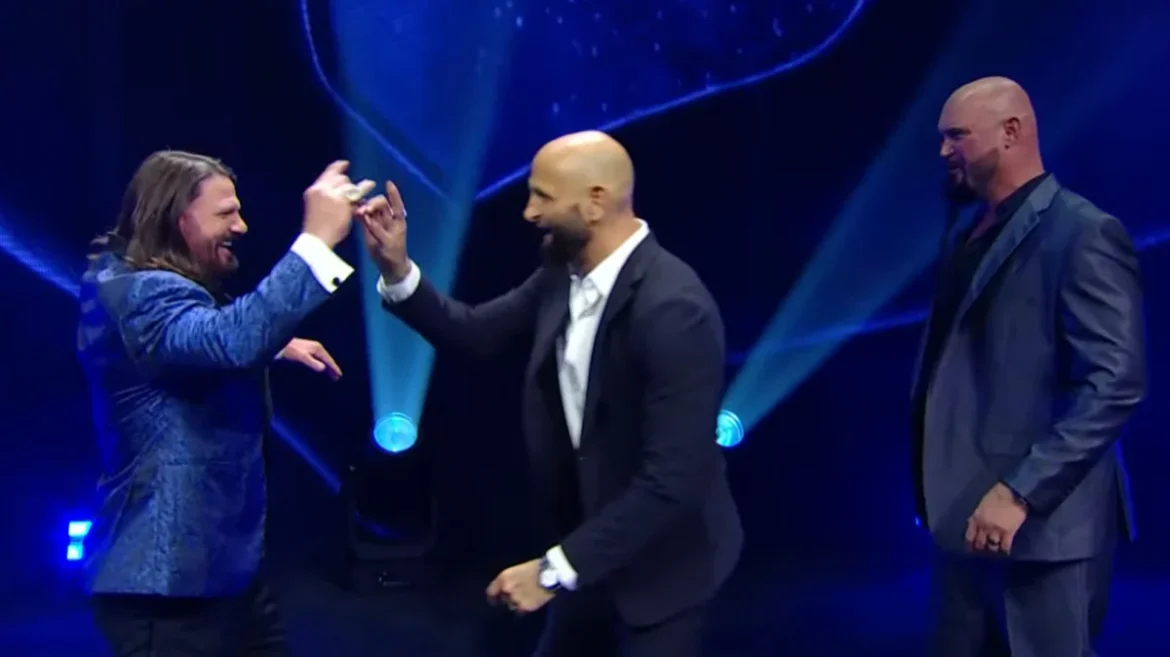
The grand spectacle of the WWE Hall of Fame ceremony is more than just a celebration of past achievements; it’s a poignant moment where the tapestry of professional wrestling is reviewed, and the threads that have woven its most compelling narratives are honored. This year, that honor fell upon a man whose career has been defined by resilience, innovation, and an undeniable "phenomenal" touch: AJ Styles. The induction was a deeply personal affair, bestowed upon him by his long-time allies and comrades in arms, Karl Anderson and Luke Gallows, collectively known as The Good Brothers. Their presence at the podium was not merely ceremonial; it was a testament to a bond forged in the crucible of countless battles, both within the squared circle and behind the scenes, spanning multiple continents and wrestling empires. As they stood ready to usher Styles into this hallowed fraternity, the air crackled with anticipation, not just for the man being celebrated, but for the reflections on a career that has consistently defied expectations.
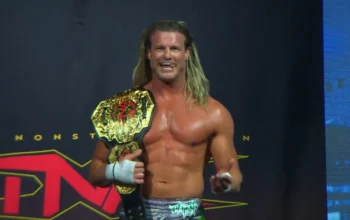
Anderson and Gallows, with a palpable sense of camaraderie, painted a vivid picture of Styles’ remarkable journey. They recounted his ascent in Total Nonstop Action Wrestling (TNA), where he not only carried the promotion on his shoulders for years but also redefined what it meant to be the face of a company. His tenure there was a masterclass in character development and in-ring storytelling, establishing him as a true homegrown talent who could captivate an audience. Then came the pivotal move to New Japan Pro-Wrestling (NJPW), a venture that saw Styles transform from a respected veteran into a global phenomenon. As the de facto leader of the Bullet Club, he propelled the faction into the mainstream consciousness, bridging the gap between Japanese and Western wrestling audiences in a way few had managed before. This period solidified his reputation as an international superstar, a performer capable of electrifying any crowd, anywhere. Finally, their narrative led to WWE, the ultimate proving ground, where Styles arrived not as a novice, but as a seasoned prodigy. His debut on the grandest stage of them all was met with immediate acclaim, and it wasn’t long before he earned the moniker "The Face That Runs The Place," a title that perfectly encapsulated his dominance and his ability to consistently deliver at the highest level. The Good Brothers emphasized that Styles’ influence extended beyond the ring, as he twice extended the invitation for them to join him in WWE, a testament to their unwavering loyalty and his desire to share success with those he trusted. Each time, the answer was an emphatic and immediate "yes," underscoring the deep respect and affection they held for one another.
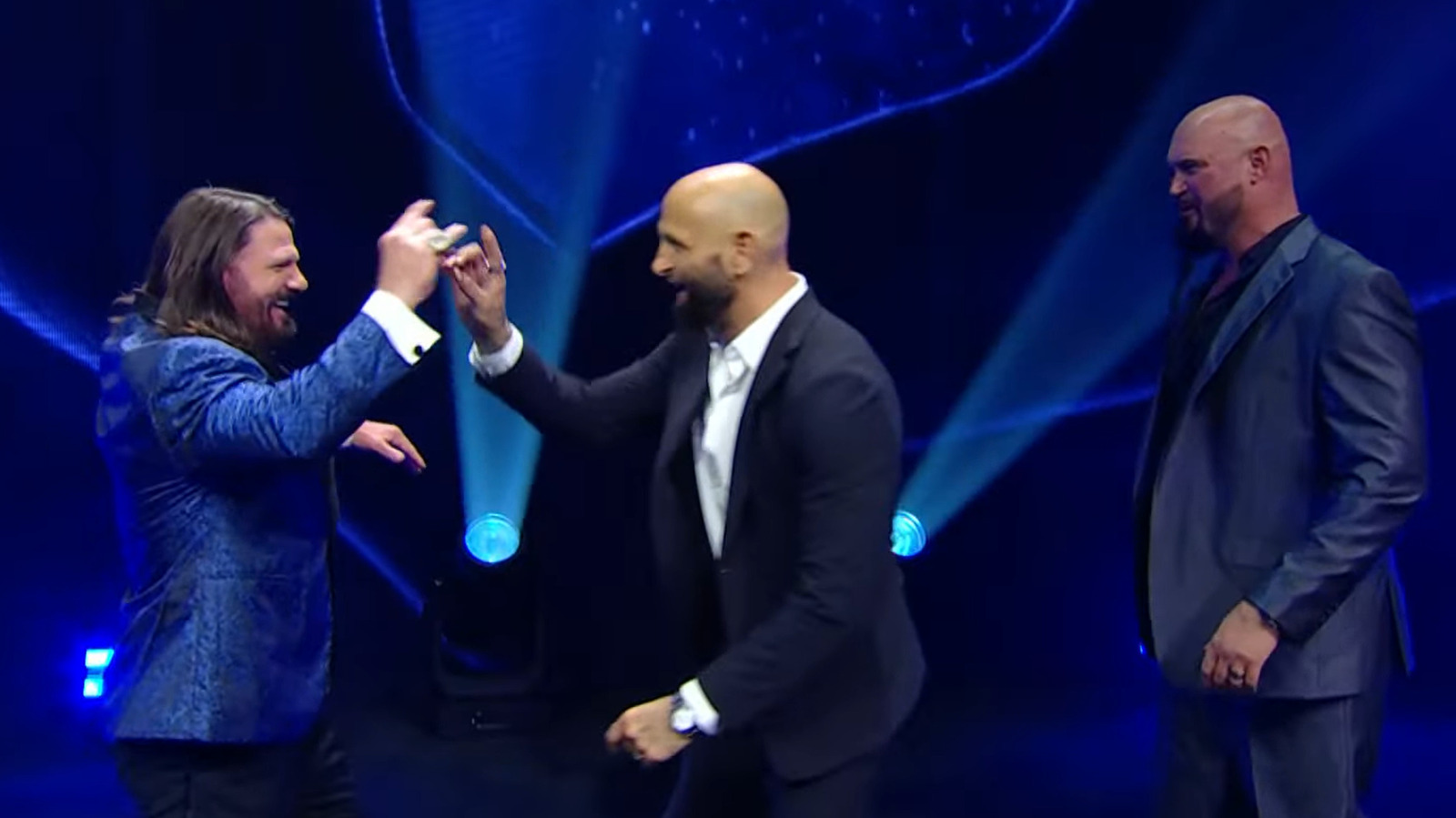
With the introduction complete, the moment arrived for the inductee himself. Luke Gallows, with a playful nod to their shared history, gestured for Karl Anderson to deliver his signature "Machine Gun" taunt, a call-back to their shared past that elicited a roar from the audience. Anderson obliged, his signature delivery echoing through the venue, setting the stage for AJ Styles’ grand entrance. Emerging from the wings, Styles was met with a thunderous ovation, a sea of faces illuminated by cell phone lights, all eager to witness this milestone. He made his way to the podium, embracing his brothers with a warmth that spoke volumes about their enduring friendship. As he stepped up to the microphone, the cheers began to subside, replaced by an expectant hush. The immediate question that seemed to linger in the air, and one Styles himself addressed, was whether he missed the grueling, demanding life of a full-time professional wrestler. The crowd, ever vocal, responded with a fervent chant of "One More Match!" – a testament to their enduring admiration and desire to see him compete again. This spontaneous outburst, while flattering, presented a complex situation for Styles, hinting at the internal dialogue he had been having with himself and the wrestling world.
The truth, as AJ Styles would articulate with disarming honesty, was a surprising one. He confessed that he genuinely did not miss the rigors of active wrestling. This declaration, while perhaps counterintuitive to some, stemmed from a profound shift in his priorities. For years, the life of a top-tier wrestler demanded constant travel, immense physical sacrifice, and an often-limited presence at home. The nomadic existence, while exhilarating, came at a personal cost. Now, with his wrestling career as an active competitor seemingly behind him, Styles found himself relishing a different, yet equally fulfilling, chapter. The ability to be present, to dedicate time and energy to his family, had become his paramount concern. This newfound equilibrium allowed him to appreciate his past achievements without the constant pressure of preparing for the next bout or the next tour. He then extended his gratitude to every promoter, every colleague, and every individual who had played a part in his illustrious career. His words carried a sincerity that resonated deeply, acknowledging the shared journey and the unspoken bonds that connect those who dedicate their lives to the art of professional wrestling. He stated, with heartfelt conviction, that any expression of love he had ever conveyed to them was genuine, a testament to the respect and appreciation he held for the wrestling fraternity.
Styles also shed light on his current role within the WWE, a position that allows him to remain intimately involved with the industry without enduring the physical toll of active competition. He described his new capacity as one that enables him to scout and identify burgeoning talent, to nurture the next generation of superstars. This directive to find "the next Phenomenal One" signifies a commitment to the future of the business, a desire to pass on the torch and contribute to its ongoing evolution. It’s a role that leverages his vast experience and keen understanding of what it takes to succeed at the highest echelon, allowing him to mentor and guide aspiring performers. This transition from in-ring performer to a backstage figure is a common trajectory for many wrestling legends, but Styles’ approach appears to be particularly hands-on and forward-thinking. He expressed a clear enthusiasm for this new avenue, one that allows him to remain a vital part of the wrestling world, contributing his insights and passion in a different, yet equally impactful, capacity. His words suggested a man at peace with his career trajectory, grateful for the opportunities he has had, and excited about the future, both for himself and for the industry he has so profoundly shaped. The induction ceremony, therefore, served not only as a recognition of his past glories but also as a platform to articulate his evolving relationship with professional wrestling, a relationship that continues to be defined by his "phenomenal" impact, albeit in new and exciting ways. This chapter of his career, one focused on mentorship and the continued growth of the sport, promises to be as influential as his time spent captivating audiences worldwide.