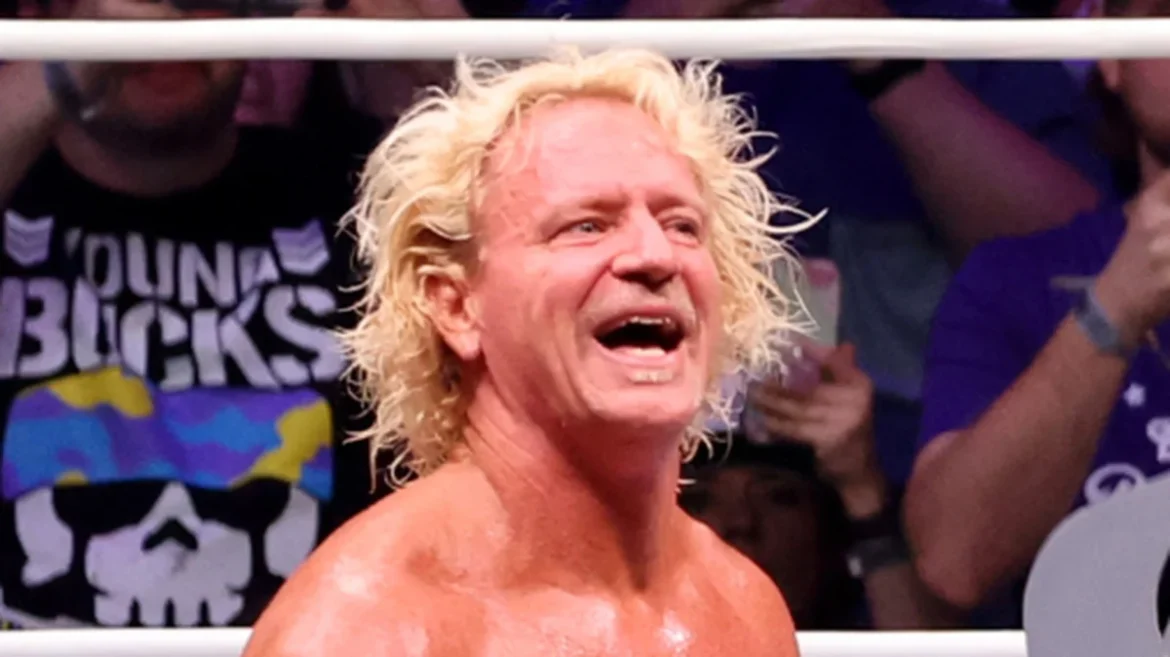
The professional wrestling world is a constantly evolving entity, a vibrant ecosystem where major events cast long shadows and create ripples felt across the entire industry. As discussions and developments swirl around WWE’s potential staging of WrestleMania in Saudi Arabia in 2027, a seasoned veteran with an intimate understanding of the business, Jeff Jarrett, has weighed in on the broader implications, particularly for the independent wrestling scene and rival promotions. Jarrett, a figure who has navigated the highest echelons of sports entertainment as a performer, promoter, and executive, possesses a unique perspective on how such a monumental shift in the traditional WrestleMania weekend calendar could present opportunities for others. His recent comments on his "My World" podcast offer a fascinating glimpse into the strategic thinking that underpins the wrestling business, revealing how seismic decisions made by one company can inadvertently open doors for competitors and the independent circuit to flourish.
Jarrett’s assessment centers on the inherent disruption that a WrestleMania held outside the continental United States, particularly in a location as geographically and culturally distant as Saudi Arabia, would represent. Traditionally, WrestleMania weekend has been a pilgrimage for wrestling fans, a focal point around which numerous independent wrestling promotions build their own events, creating a decentralized festival of sorts. Cities hosting WrestleMania often see an influx of fans and wrestling personalities, fostering a fertile ground for smaller companies to gain exposure, sell merchandise, and build their brand. The idea of this entire ecosystem being transplanted to a new continent, with its own logistical challenges and potentially a different fan base engagement model, naturally leads to speculation about what happens to the traditional American wrestling heartland during that period. Jarrett articulates a clear belief that this scenario creates a vacuum, an "opportunity" for wrestling entities not directly aligned with WWE to seize the spotlight. He posits that if WWE indeed proceeds with its Saudi Arabian plans, the void left in the United States could be filled by a significant, perhaps even unified, effort from other promotions.
The concept of an "alternate WrestleMania weekend" isn’t entirely new, but Jarrett’s endorsement lends it a certain weight, especially coming from someone who has been instrumental in building major wrestling promotions. He acknowledges the inherent allure of a "first-time" event, highlighting that the novelty factor of WrestleMania itself has always been a draw. However, he also points out that the appeal of WrestleMania is intrinsically linked to its accessibility and its place within a broader cultural context. While cities like London or Toronto have hosted major wrestling events with great success, drawing from established wrestling fan bases and offering a familiar environment for international travelers, Saudi Arabia presents a different proposition. The geographical distance, the potential for travel complications, and the differing cultural norms all contribute to a scenario where the traditional WrestleMania weekend pilgrimage might become less feasible or desirable for a significant portion of the global wrestling audience and the independent promotions that typically cater to them. This geographical and cultural separation, Jarrett suggests, is precisely what creates the fertile ground for alternative events to emerge and thrive.
Jarrett’s skepticism regarding WWE’s actual commitment to a Saudi Arabian WrestleMania in 2027 is also noteworthy. He implies that the logistical, political, and ethical complexities surrounding such an event might ultimately prove too significant to overcome. The wrestling world, like any global industry, is not immune to geopolitical shifts and international scrutiny. Events held in regions with documented human rights concerns often face criticism and boycotts, and the ongoing global political climate can add further layers of uncertainty. Jarrett’s perspective suggests that while the announcement might be made, the practical execution could be fraught with challenges, leading to a potential last-minute change of plans. If WWE were to indeed backtrack on its Saudi Arabian commitment, it would, of course, nullify the opportunity for an independent counter-programming surge. However, the mere contemplation of such a move by WWE highlights the underlying dynamics of the wrestling market and how a dominant player’s strategic decisions can have far-reaching consequences.
The idea of a collective independent response during a hypothetical WWE-absent WrestleMania weekend is particularly intriguing. Jarrett’s vision hints at a scenario where AEW, perhaps alongside other established independent promotions, could orchestrate a major event in the United States. This wouldn’t just be about individual promotions running shows in their usual markets; it could represent a more coordinated effort to present a unified front, offering fans a compelling alternative that captures the spirit and excitement of a traditional WrestleMania weekend, but with a distinct flavor. Such a collaborative approach could pool resources, talent, and marketing efforts, creating a significant event that draws considerable attention. This could manifest in various ways, from a single, massive independent supershow to a series of interconnected events across a particular city, all building towards a shared narrative of independent wrestling’s vitality and appeal.
Furthermore, the potential for this independent surge extends beyond just the major players. Jarrett’s observation that the opportunity would be "wide open" for anyone "not affiliated with WWE" speaks to the grassroots nature of professional wrestling. The independent circuit is the lifeblood of the industry, a breeding ground for new talent and innovative storytelling. During a period when the traditional wrestling pilgrimage is disrupted, smaller promotions, even those in secondary markets, could find themselves with a unique chance to attract fans who might otherwise be focused on the WWE spectacle. This could lead to increased ticket sales, greater merchandise revenue, and crucially, enhanced visibility for promotions that might otherwise struggle to compete for attention. The ripple effect could be substantial, potentially bolstering the financial health and national recognition of numerous independent organizations.
The historical context of independent wrestling’s relationship with major promotions is also relevant here. Throughout wrestling history, periods of uncertainty or major shifts in the landscape have often seen the independent scene rise to prominence. From the territories of the past to the modern era of internet streaming and social media, independent promotions have consistently demonstrated their ability to adapt and innovate. The prospect of a WWE-free WrestleMania weekend in the US could be the catalyst for a new chapter in this ongoing narrative. It would allow for a more diverse range of wrestling styles, a greater emphasis on unique characters, and a more intimate connection between performers and fans – elements that are often hallmarks of successful independent wrestling. The "star power" might be different, but the passion and the raw, unfiltered athleticism could be just as captivating, if not more so for a segment of the audience.
Jarrett’s commentary also implicitly touches upon the power of narrative and perception in professional wrestling. By suggesting a significant independent presence during a hypothetical Saudi WrestleMania, he is, in essence, proposing a counter-narrative. Instead of focusing solely on the spectacle of WWE, wrestling fans could be presented with an alternative story: one of resilience, innovation, and the collective strength of the independent wrestling community. This narrative could resonate deeply with a fanbase that often values authenticity and a connection to the roots of the business. The success of such an endeavor would hinge on effective promotion, compelling match-ups, and the ability to generate genuine buzz, but the underlying opportunity, as Jarrett points out, is undeniably present.
The logistical considerations for independent promotions looking to capitalize on such an opportunity are significant. Travel, accommodation, venue booking, and talent coordination would all require meticulous planning. However, the potential rewards – increased exposure, new fan acquisition, and a stronger collective identity – could make the investment worthwhile. Furthermore, the rise of digital platforms means that even promotions that cannot physically converge in a single location can still create a unified online experience, live-streaming events, and engaging with fans through social media to build a cohesive "alternative" weekend. This digital component is crucial in today’s interconnected world, allowing for a broader reach and a more accessible alternative for fans who cannot attend in person.
Ultimately, Jeff Jarrett’s perspective offers a valuable insight into the strategic thinking that permeates the professional wrestling industry. While the future of WWE’s WrestleMania locations remains a subject of speculation, the mere discussion of such a significant geographical shift opens up a world of possibilities for the independent wrestling scene. It underscores the dynamic nature of the business, where even the most dominant players’ decisions can inadvertently create opportunities for others to shine. Whether a grand, unified independent response materializes or not, Jarrett’s assessment serves as a reminder of the constant ebb and flow of the wrestling landscape, and the enduring appeal of independent wrestling to carve out its own significant niche. The wrestling world is always watching, always adapting, and in moments of perceived disruption, often finds its most creative and resilient expressions.