The journey of a professional broadcaster is often defined by the search for legitimacy, a quest that takes on a unique dimension when that journey begins within the high-octane, scripted world of sports entertainment. For Jonathan Coachman, a man who became a household name during one of the most prosperous eras in the history of the squared circle, the transition from the ring to the anchor desk was meant to be a permanent departure. When he walked away from his tenure with the global leader in professional wrestling to join the ranks of a major sports network, his internal compass was set firmly toward a future where the choreographed drama of the ring was a closed chapter. He viewed his move to the prestigious studios of Bristol as the ultimate validation of his skills as a journalist and host, a chance to prove that the charisma he developed in front of thousands of wrestling fans could translate to the serious, analytical world of mainstream sports reporting. At the time, his resolve was absolute; he had no intention of ever looking back at the industry that had served as his launching pad.
The allure of a dream job at a powerhouse like ESPN is difficult to overstate for anyone in the broadcasting field. For Coachman, it represented the pinnacle of professional achievement, a platform where he could cover the NFL, NBA, and Major League Baseball with the same intensity he once brought to a Monday night broadcast. He spent years meticulously building a reputation as a versatile and reliable desk anchor and radio personality. However, the shadow of his previous life was long and persistent. Despite his best efforts to distance himself from his persona as a heel announcer and occasional in-ring participant, the public memory of his time in the wrestling industry remained vivid. In the digital age, a performer’s past is never truly buried. Sound bites, clips of legendary segments, and the general cultural footprint of his wrestling career continued to resonate with the audience. Even as he sat behind the SportsCenter desk or hosted his own radio programs, the fans who had grown up watching him interact with icons like The Rock and Stone Cold Steve Austin refused to let that part of his identity fade into obscurity.
The stability that Coachman sought in the world of traditional sports broadcasting eventually began to show cracks, not due to a lack of talent, but because of the shifting tectonic plates of the media industry itself. The landscape of television and radio underwent a radical transformation, driven by corporate consolidation and changing viewer habits. Major networks began a cycle of downsizing and restructuring that left even seasoned veterans vulnerable. Coachman found himself navigating a series of professional setbacks that were entirely outside of his control. A tenure at CBS was cut short during a period of corporate contraction, where the logistical realities of remote work made him an easy target for budget-related departures. Similarly, his involvement with the Professional Fighters League hit an unexpected roadblock when a change in leadership led to a pivot in the organization’s on-camera direction. These experiences highlighted a harsh reality of the modern media environment: no matter how established a broadcaster might be, they are often at the mercy of executive whims and bottom-line calculations.
As these traditional doors began to close, the very industry Coachman had tried to leave behind started to look more like a sanctuary than a shadow. The rise of the independent media movement, fueled by the explosion of podcasting and social media, had created a new ecosystem where individual brands could thrive without the backing of a major network. Friends and colleagues within the industry began to whisper in his ear, suggesting that his unique background and high-level broadcasting experience made him the perfect candidate to return to the wrestling fold, albeit on his own terms. They argued that the modern audience valued authenticity and insider perspective more than ever, and that Coachman possessed a rare combination of professional polish and deep-rooted knowledge of the wrestling business. This was a significant mental hurdle for him to clear, as it required acknowledging that the "wrestling guy" label he had fought so hard to shed was actually his greatest asset in a crowded digital marketplace.
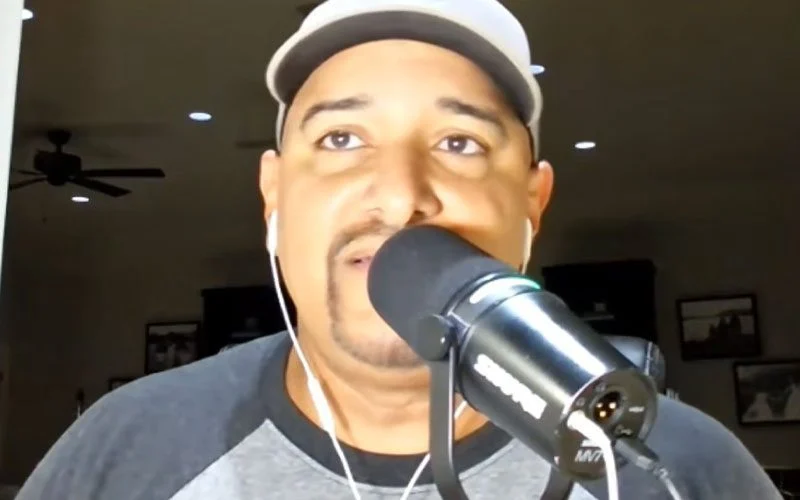
One of the most surprising developments in this career resurgence was the formation of an unlikely partnership. Jonathan Coachman, the consummate professional who had thrived in the corporate structures of both WWE and ESPN, found himself collaborating with Vince Russo, one of the most polarizing and controversial creative minds in the history of the business. The two men launched a project that defied expectations, proving to be a significant hit with an audience hungry for unfiltered commentary. This collaboration, known as the Coach and Bro Show, became a cornerstone of Coachman’s new professional identity. It was a stark departure from the polished, teleprompter-driven world of mainstream sports news, allowing him to engage with the wrestling community in a way that was both nostalgic and forward-looking. The success of this venture served as a proof of concept: there was a massive, dedicated audience that still wanted to hear what he had to say about the industry he once tried to abandon.
The road back to wrestling was also paved with frustrations in other areas of media, specifically in the realm of satellite radio. Coachman had established a presence on SiriusXM, hosting a program that he believed was performing at a high level with strong engagement. When that show was abruptly taken off the air, it left him searching for answers. While no official explanation was ever provided for the cancellation, Coachman began to suspect that his penchant for candid, unfiltered honesty might have put him at odds with the corporate interests of the network, particularly regarding their relationship with major wrestling entities. In the world of sports media, the line between objective analysis and brand protection is often thin. If a broadcaster becomes too critical of a powerful partner, the consequences can be swift. This experience only reinforced his growing belief that relying on large corporations for a paycheck was becoming an increasingly risky proposition for anyone in the public eye.
This realization led to the birth of Behind the Turnbuckle Studios, a venture that represents Coachman’s commitment to self-reliance and content ownership. He has become a vocal advocate for the idea that media personalities must own their own platforms to survive in the current economic climate. Looking ahead toward the latter half of the decade, he views the traditional network model as a precarious place for talent. With layoffs becoming a regular occurrence across every major broadcasting outlet, the only true security comes from building a direct relationship with an audience. By creating his own studio and producing his own shows, he has effectively insulated himself from the volatility that defined his later years in mainstream sports. He is no longer waiting for a phone call from a network executive at Fox or ESPN to determine his professional worth; instead, he is the architect of his own schedule and the owner of his own intellectual property.
The transformation of his perspective is perhaps most evident in his current stance on working with major wrestling promotions again. For years, the idea of returning to a company like WWE or joining a rising force like AEW was a non-starter. He had moved on, or so he thought. Today, that door is no longer locked. While he remains focused on his independent projects, he has publicly acknowledged that he would be open to the right opportunity within the industry. This shift is not a sign of desperation, but rather a reflection of a man who has come to peace with his legacy. He understands that his contributions to the wrestling world are a permanent part of his professional DNA, and there is no longer a need to fight against that reality. Whether it is a guest appearance, a commentator role, or a behind-the-scenes position, the possibility of seeing Coachman back in a major wrestling environment is higher now than it has been in over a decade.
The irony of Coachman’s career arc is a testament to the enduring power of the professional wrestling industry. It is a business that often draws people back in, regardless of how far they try to run. For Coachman, the journey through the high-pressure world of ESPN and the corporate corridors of major media networks provided him with a wealth of experience, but it was the "squared circle" that ultimately offered him a path to sustainable independence. He has successfully bridged the gap between being a "legitimate" sports broadcaster and a wrestling personality, creating a hybrid career that utilizes the best of both worlds. He has traded the security of a corporate salary for the freedom of the creator economy, a move that requires a level of hustle and adaptability that he first learned while navigating the locker rooms of the Attitude Era.
As the media landscape continues to shift, the story of Jonathan Coachman serves as a blueprint for other broadcasters who may find themselves at a crossroads. It highlights the importance of diversifying one’s skills and the necessity of embracing one’s roots, even when those roots are planted in the colorful and often misunderstood world of sports entertainment. The man who once vowed to never pick up a microphone in a wrestling context again is now one of the most prominent voices in the wrestling media space. His journey is a reminder that in the world of entertainment, the only constant is change, and the most successful individuals are those who can reinvent themselves without losing sight of where they came from. Today, Coachman is not just a former anchor or a former announcer; he is a media entrepreneur who has reclaimed his narrative, proving that sometimes the best way forward is to embrace the very thing you once tried to leave behind.