The world of professional wrestling, a vibrant tapestry woven from athletic spectacle, compelling narratives, and shrewd business acumen, consistently presents a dynamic landscape where fortunes are made, legends are forged, and the unexpected is always just around the corner. Recent weeks have seen a confluence of significant developments across the industry’s major players and beyond, encompassing everything from critical pay-per-view events and monumental ticket sales to crucial health updates for top-tier talent and the ever-present churn of weekly television. From the electrifying aftermath of a major All Elite Wrestling spectacle to the strategic maneuvers in WWE’s global event planning, and touching upon the international pulse of New Japan Pro-Wrestling and CMLL, the wrestling world continues its relentless pace, demanding constant attention from its dedicated observers and passionate fanbase.
One of the most talked-about events in recent memory, All Elite Wrestling’s Revolution pay-per-view, undoubtedly left an indelible mark, serving as a pivotal moment for the burgeoning promotion. The broadcast delivered an evening replete with high-octane action, culminating in an emotional and intensely dramatic main event. The critical consensus largely lauded the show for its consistent match quality and impactful storyline progression, cementing its place as a standout offering in AEW’s pay-per-view catalog. From the opening bell, the card was stacked with compelling matchups, showcasing the diverse talent that comprises AEW’s formidable roster. Pacing was a key strength, allowing each contest ample time to unfold and build to its climax, ensuring that the audience remained invested throughout the lengthy broadcast. The booking decisions generally resonated well with the fanbase, advancing several key feuds and setting the stage for future narratives. The post-show discussions invariably centered on the implications of the evening’s outcomes for the trajectory of AEW’s championships and the personal rivalries that define its storytelling.
Beyond the immediate spectacle of Revolution, AEW’s ambitious global strategy continues to capture headlines, particularly concerning its return to London’s iconic Wembley Stadium for the second iteration of All In. The initial presale period for the highly anticipated event commenced shortly after the Revolution buzz began to subside, providing an early indicator of the global interest in AEW’s flagship international show. The sheer scale of Wembley, with its colossal capacity, presents both an immense opportunity and a significant challenge for any wrestling promotion. AEW defied expectations with its inaugural All In event in 2023, drawing a record-breaking paid attendance figure that stunned the industry and firmly established the company as a major international touring entity. The success of that initial venture has undoubtedly fueled the ambition for a repeat performance, and the early presale numbers will be scrutinized closely as a barometer of the continued demand for AEW’s unique brand of professional wrestling on a grand scale. Securing such a massive venue for a second consecutive year speaks volumes about AEW’s confidence in its ability to draw a colossal crowd, leveraging its growing international fanbase and the undeniable star power of its roster to fill one of the world’s most renowned sports and entertainment arenas. The lead-up to the event will undoubtedly feature a robust marketing campaign designed to capitalize on the momentum generated by last year’s historic show and attract an even broader audience.
Crucially, the health and well-being of professional athletes remain a paramount concern, especially in a physically demanding sport like wrestling. Recent reports brought welcome news regarding the status of one of the industry’s most acclaimed and high-flying performers, Will Ospreay. Following a period of uncertainty and speculation regarding his physical condition, Ospreay was officially cleared to compete on February 25th, a development that undoubtedly brought a collective sigh of relief to his legion of fans and to his new employer, All Elite Wrestling. Ospreay, renowned for his breathtaking aerial maneuvers and incredibly athletic in-ring style, pushes the boundaries of what is considered physically possible in professional wrestling. This relentless pursuit of innovation, while exhilarating to watch, inherently carries significant risks, making any health clearance a critical milestone. His recent move to AEW as a full-time roster member has been met with immense anticipation, with many observers expecting him to immediately become a cornerstone of the promotion’s main event scene. A clean bill of health ensures that Ospreay can continue to deliver the electrifying, high-impact performances that have defined his career, without any lingering concerns over past injuries. His presence is poised to significantly elevate the quality of matches and the overall excitement surrounding AEW’s programming, provided he remains at peak physical condition, a constant battle for any athlete performing at his level.
Meanwhile, the industry titan, WWE, is also meticulously planning for its future monumental events, with WrestleMania 42 already on the horizon. In a strategic move designed to stimulate early ticket sales and generate significant buzz, WWE recently initiated a special promotional campaign, offering discounted prices for tickets to the grand spectacle. This "3:16 sale," a clever nod to "Stone Cold" Steve Austin’s iconic catchphrase, provided fans with an opportunity to secure their spots at a reduced rate. While WrestleMania consistently stands as WWE’s biggest annual draw, attracting tens of thousands of attendees and millions of viewers worldwide, such early discounting can be interpreted in various ways. It could be a proactive measure to ensure robust attendance figures far in advance, giving international travelers and distant fans ample time to plan their trips. Alternatively, it might be a tactic to gauge early demand or to strategically fill certain price points within the stadium configuration. Regardless of the underlying rationale, the initiative underscores WWE’s sophisticated approach to live event marketing and its commitment to making its flagship event accessible to a broad audience, even as ticket prices for major events continue to climb across the entertainment industry. The sale serves as a reminder that even the biggest events in wrestling require careful strategic planning and aggressive marketing to maximize their commercial potential and maintain their status as must-see attractions.
Beyond the North American giants, the global wrestling scene continues to thrive, with significant developments unfolding in established promotions like New Japan Pro-Wrestling (NJPW) and Consejo Mundial de Lucha Libre (CMLL). The New Japan Cup, a prestigious annual single-elimination tournament, serves as a crucial fixture in NJPW’s calendar, often propelling emerging stars or re-establishing veteran dominance. The tournament grants its victor an opportunity to challenge for the coveted IWGP World Heavyweight Championship, making it a highly contested and pivotal competition. Updates from the NJPW Cup often highlight stellar matches, unexpected upsets, and the emergence of new contenders, shaping the landscape of the company’s title picture for the coming months. Fans eagerly follow the progress of their favorites, analyzing bracketology and predicting who might seize the ultimate prize and earn a shot at glory. Simultaneously, CMLL, Mexico’s oldest active wrestling promotion, continues its storied tradition of lucha libre. With a rich history spanning decades, CMLL remains a cornerstone of Mexican wrestling, showcasing its unique style, vibrant characters, and intricate rivalries. Regular notes from CMLL typically encompass significant match outcomes, the progression of long-standing feuds, and the introduction of new talent within its venerable arena, Arena México. These international promotions, while distinct in their presentation and cultural context, contribute significantly to the global tapestry of professional wrestling, offering diverse styles and narratives that appeal to different segments of the worldwide fanbase.
The broader entertainment world also occasionally intersects with professional wrestling in intriguing ways. The Academy Awards, a pinnacle of cinematic recognition, surprisingly saw no mention or tribute paid to wrestling icon Hulk Hogan during its telecast. While Hogan’s cultural impact extends far beyond the squared circle, particularly during the 1980s, his absence from such a major mainstream event’s recognition segments might reflect the often-complex relationship between professional wrestling and mainstream Hollywood. Despite his crossover appeal and roles in various films, the Academy’s focus tends to remain within traditional cinematic boundaries, occasionally overlooking figures from other entertainment spheres, even those with significant cultural footprints.

The allure of crossover combat sports continues to captivate audiences, blurring the lines between professional wrestling, boxing, and mixed martial arts. The news of former WWE Champion Alberto El Patron (formerly Alberto Del Rio) engaging in a boxing match underscores the enduring appeal of wrestlers stepping into other combat disciplines. Similarly, the addition of Nate Diaz to a card featuring combat sports pioneers Ronda Rousey and Gina Carano further highlights this trend. Rousey, a trailblazer in women’s MMA before her successful transition to WWE, and Carano, an early pioneer in women’s combat sports, represent significant figures whose careers have transcended traditional boundaries. These crossover bouts and appearances tap into a fascination with legitimate combat skills and the star power of personalities who have excelled in multiple arenas. The financial incentives are often substantial, drawing athletes from different backgrounds to test themselves and entertain fans in novel ways, further enriching the diverse landscape of combat sports entertainment.
In a somber note, the wrestling community recently mourned the passing of Davey Coates. While specific details of his contributions might not always be immediately front-page news for the broader public, every loss within the wrestling family resonates deeply with those who understand the sacrifices and dedication inherent in the profession. Simultaneously, there was a positive update regarding OVW referee Dallas Edwards, who was released from the hospital. The health and safety of officials, often overlooked in the spotlight on performers, are equally vital to the smooth operation and integrity of any wrestling event. These human-interest stories, both tragic and hopeful, remind us of the personal stakes involved in a world built on larger-than-life characters and intense physical competition.
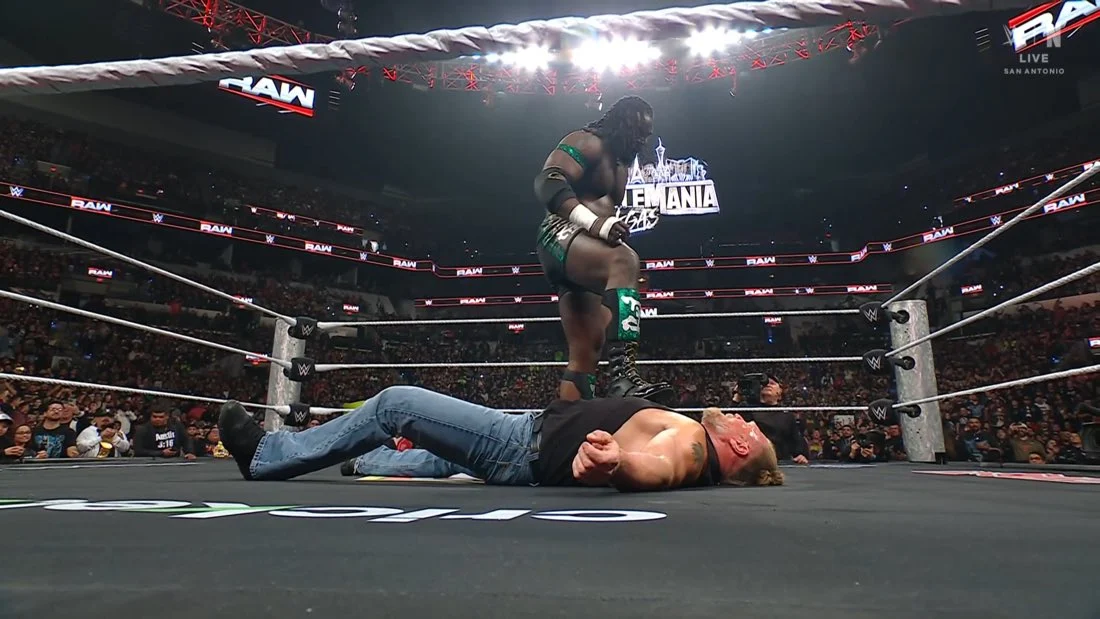
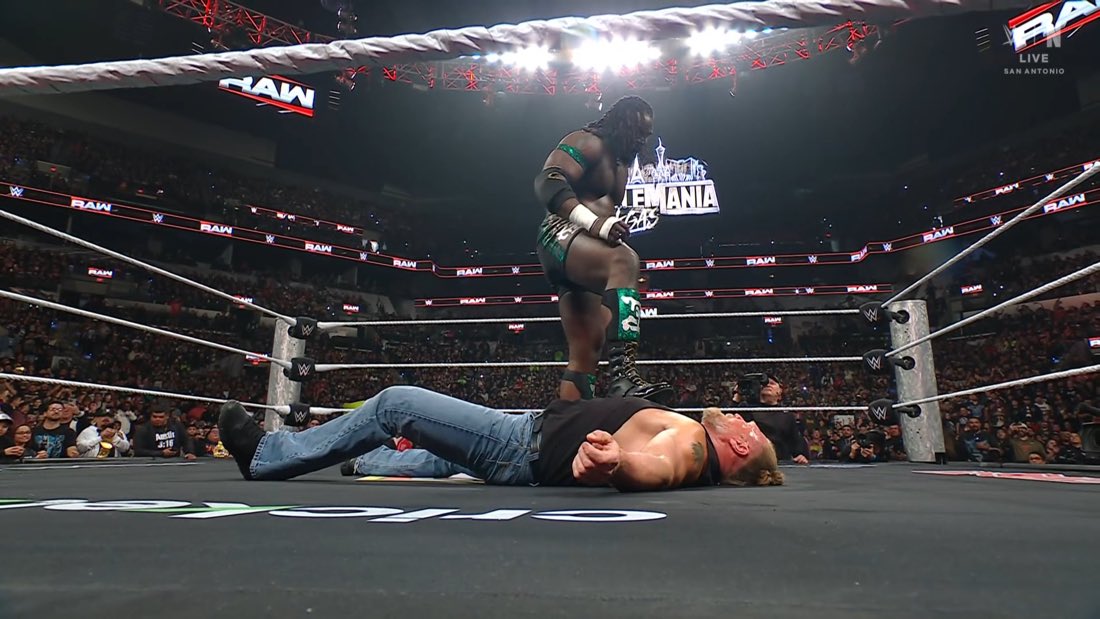
Turning to the weekly grind, WWE’s flagship program, Monday Night RAW, continued its relentless march towards future premium live events, weaving intricate storylines and showcasing its diverse roster. The "RAW report" typically details the major segments, match outcomes, and character developments that transpired on the three-hour broadcast. Each episode serves as a crucial building block, advancing feuds, establishing new challengers, and providing a platform for talent to connect with the audience. Recent editions of RAW have likely focused on solidifying championship contenders, escalating personal rivalries, and setting the stage for major confrontations. The creative team’s challenge lies in balancing long-term storytelling with the need for immediate gratification, ensuring that the audience remains engaged week after week. The ratings for RAW, alongside those of AEW’s weekly programming, provide a critical metric for the health of the television product, influencing advertising revenue, network deals, and overall strategic direction. Trends in viewership figures are constantly analyzed, offering insights into audience preferences and the efficacy of current storylines and character pushes. A robust RAW broadcast is essential for maintaining momentum, building anticipation for premium live events, and ultimately, sustaining WWE’s dominant position in the industry. The careful crafting of promos, the strategic deployment of surprising returns or debuts, and the consistent delivery of quality in-ring action are all components that contribute to a successful weekly presentation, keeping the fanbase invested in the ongoing narrative.
In conclusion, the professional wrestling world is currently operating at an exceptionally high frequency, with a multitude of significant events and storylines unfolding across various promotions. From AEW’s triumphant Revolution pay-per-view and its audacious plans for a second Wembley stadium show, to WWE’s forward-looking strategies for WrestleMania 42 and the consistent output of its weekly television, the industry showcases remarkable vitality. The well-being of its athletes, exemplified by Will Ospreay’s return to full health, remains a crucial concern, while the international contributions of NJPW and CMLL highlight the global reach and diverse appeal of the sport. Even the subtle intersections with mainstream culture and the growing trend of combat sports crossovers underscore wrestling’s multifaceted nature. This period reflects a robust and competitive landscape, where established giants and ambitious challengers continually innovate and vie for the attention of a passionate global audience, ensuring that the future of professional wrestling promises as much excitement and unpredictability as its storied past.