The landscape of professional wrestling is a dynamic entity, constantly shifting and evolving with each passing week. For All Elite Wrestling, the period following their monumental Revolution pay-per-view event has proven to be a significant turning point, with the March 18th edition of AEW Dynamite on TBS and HBO Max showcasing a remarkable resurgence in viewership figures. This particular episode, airing on a Wednesday night, not only capitalized on the considerable momentum generated by Revolution but also served as a potent testament to the promotion’s ability to deliver compelling narratives and generate widespread interest. The fallout from Revolution, which had captivated audiences just days prior in Los Angeles, was the immediate focus, and it appears to have resonated deeply with both the established AEW fanbase and a segment of new viewers drawn to the promotion’s burgeoning popularity.
The immediate aftermath of a major pay-per-view event often presents a crucial opportunity for television programming to build upon the heightened excitement. The March 18th Dynamite broadcast expertly navigated this delicate balance, presenting a robust slate of content that directly addressed the lingering questions and established new directions following Revolution. Among the significant developments, the veteran tag team duo of Adam Copeland and Christian Cage made their intentions clear, formally declaring themselves as the next challengers for FTR’s coveted AEW World Tag Team Championships. This announcement alone promised a high-stakes, high-profile feud, pitting two established legends against a dominant championship pairing. Furthermore, the wrestling world was abuzz with the unfortunate backstage incident involving "Timeless" Toni Storm, which rendered her indefinitely sidelined. Such storylines, while often somber, inject a sense of unpredictability and consequence into the programming, reminding viewers that the world of AEW is one where anything can happen.
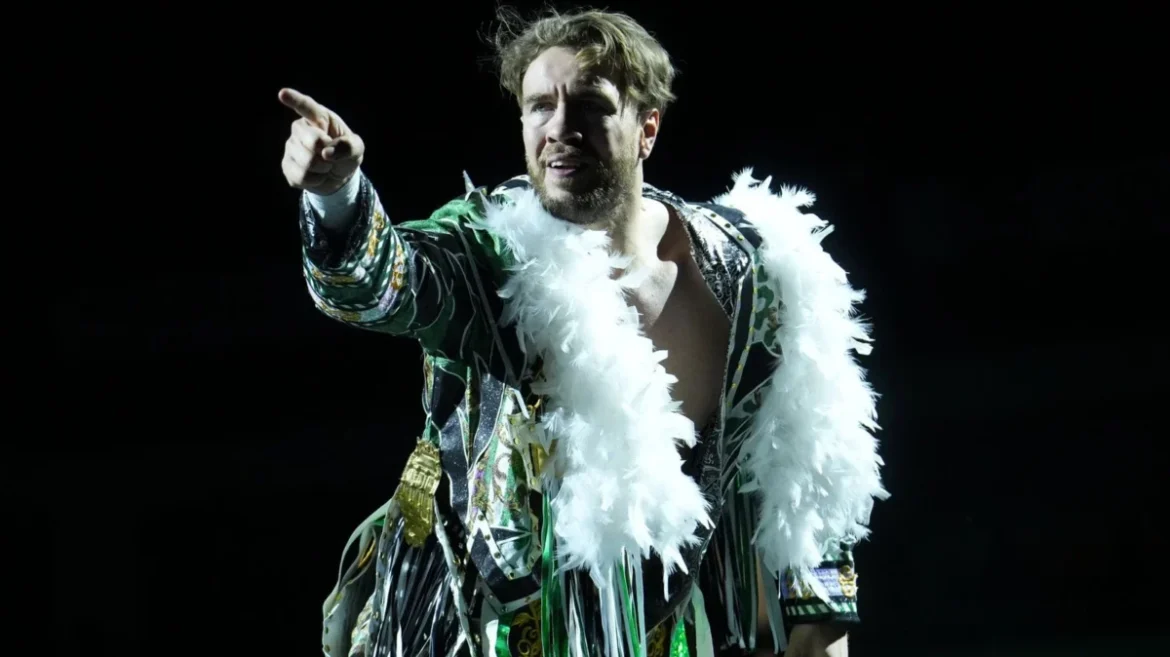
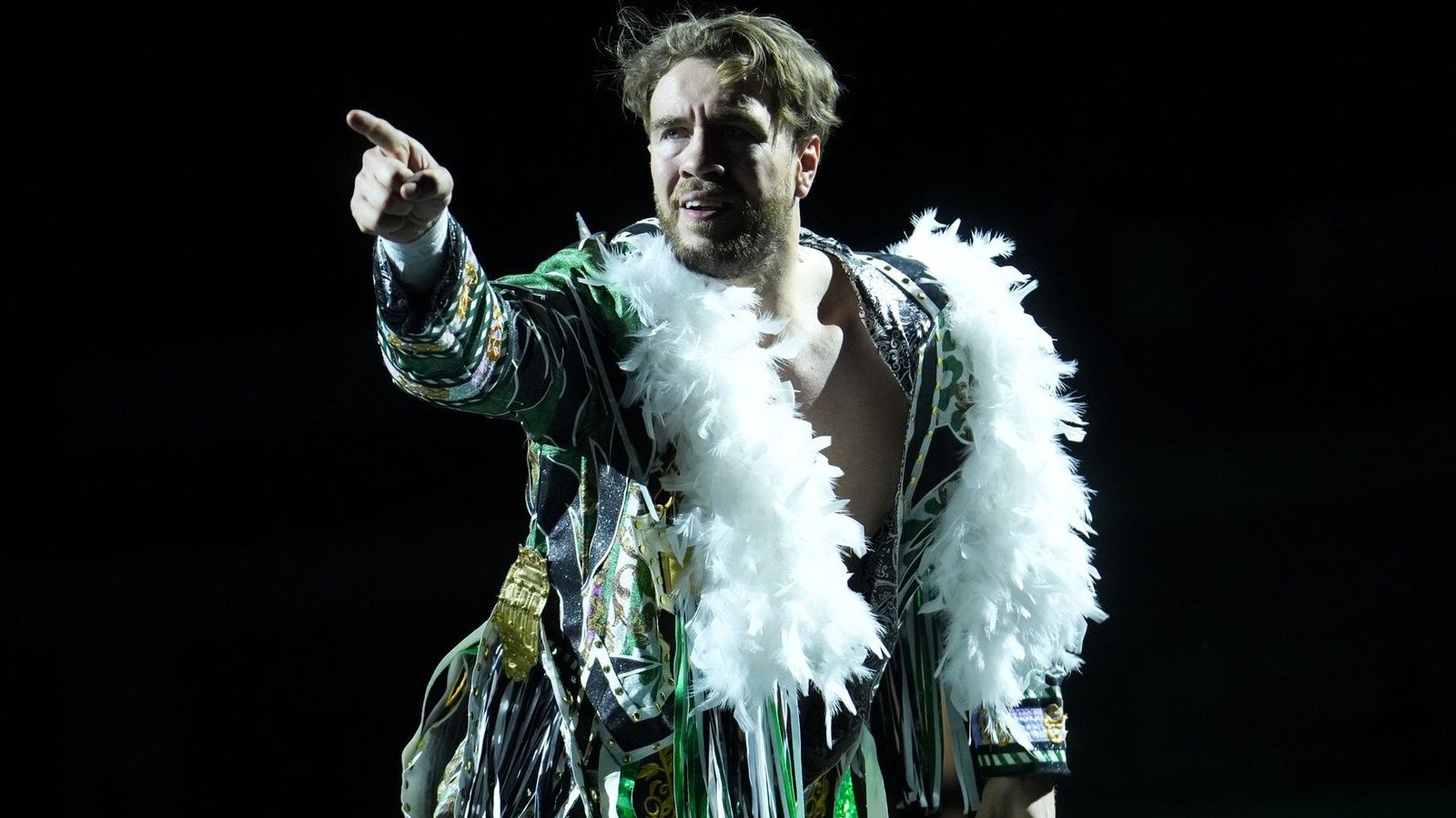
However, the most astonishing development on the March 18th episode was the miraculous in-ring return of Will Ospreay. Having undergone significant neck surgery less than six months prior, Ospreay’s swift and successful comeback was not only a testament to his personal dedication and physical resilience but also a massive boost to the AEW roster and a significant draw for the episode. His presence alone is enough to generate considerable interest, and his return to active competition following such a serious injury sent shockwaves through the wrestling community, undeniably contributing to the elevated viewership numbers. This confluence of compelling storylines, high-profile championship implications, and the return of a bona fide superstar created a potent cocktail that significantly boosted AEW Dynamite’s appeal.
The tangible impact of this compelling programming was immediately evident in the viewership data released for the March 18th episode. According to reports from reputable industry sources such as The Programming Insider and Wrestlenomics, the broadcast garnered an impressive average of 730,000 total viewers. This figure represents a substantial 18% increase compared to the 619,000 viewers who tuned in the preceding week. Furthermore, it comfortably exceeded the trailing four-week average of 648,000 viewers by a significant 13%. This substantial jump marked the most-watched episode of AEW Dynamite in 2026 by a considerable margin, and importantly, it signified the highest average viewership the program had achieved since the highly successful "Grand Slam Mexico" special in 2025. It is crucial to note that these figures exclusively represent traditional television viewership and do not account for the substantial number of fans who engaged with the broadcast through live streaming on HBO Max, a platform that undoubtedly contributed to the overall reach and impact of the show.
Beyond the overall viewership numbers, the March 18th "Dynamite" also demonstrated remarkable strength in the crucial 18-49 demographic, a key indicator of a program’s appeal to younger, advertiser-friendly audiences. The episode registered a 0.13 rating in this demographic, marking a considerable 44% leap from the 0.09 rating recorded the previous week. This figure also outperformed the trailing four-week average of 0.12 by 18%. The 0.13 rating positioned the episode as the second-highest performer in the 18-49 demographic for the year thus far and the third-highest within the last six months. This sustained growth in a vital demographic underscores AEW’s increasing ability to connect with a diverse and engaged audience. In the competitive landscape of prime-time cable programming, AEW Dynamite secured an impressive eighth-place ranking for the night. This placement saw it positioned behind established giants like the multi-hour broadcasts on FOX News, the NBA action featured on ESPN, and the NCAA tournament coverage on TruTV. The show also achieved an eighth-place ranking in the 25-54 demographic with a 0.20 rating. Notably, esteemed wrestling journalist Dave Meltzer of the Wrestling Observer highlighted an even more specific demographic success: the March 18th episode attracted the largest audience of viewers over the age of 50 since the tail end of 2022 and the beginning of 2023, indicating a broadening appeal that spans across generational lines.
The sustained growth in viewership and demographic performance for AEW Dynamite cannot be attributed to a single factor. Instead, it is the culmination of several strategic decisions and ongoing narrative developments that have been meticulously crafted over time. The Revolution pay-per-view, which served as the immediate precursor to this record-breaking Dynamite episode, was widely lauded for its high-quality matches, impactful storyline conclusions, and the introduction of exciting new elements. The success of Revolution created a significant ripple effect, drawing in viewers who may have been on the fence or had previously disengaged from AEW programming. The decision to prominently feature the fallout from Revolution on the subsequent Dynamite was a smart move, providing immediate gratification and continuity for those who had invested in the pay-per-view.
The booking philosophy of AEW, spearheaded by its creative team, has consistently aimed to provide a diverse range of wrestling styles and storytelling approaches. This commitment to variety ensures that there is something for every type of wrestling fan. Whether it’s the hard-hitting, athletic prowess of stars like Ospreay and Bryan Danielson, the intricate tag team dynamics of FTR and The Young Bucks, or the character-driven rivalries involving figures like MJF and Adam Cole, AEW strives to offer a comprehensive wrestling experience. The March 18th episode exemplified this diversity, featuring championship pursuits, personal feuds, and the return of a marquee talent, all contributing to a well-rounded and engaging show.
The introduction of new talent and the consistent development of existing stars have also played a pivotal role in AEW’s upward trajectory. The acquisition of top-tier international talent, such as Will Ospreay, has undeniably elevated the quality of in-ring competition and generated significant buzz. Moreover, AEW has demonstrated a commendable ability to nurture and elevate its homegrown talent, allowing wrestlers like Darby Allin, Orange Cassidy, and Britt Baker to develop into bona fide stars with dedicated fan followings. This blend of established international draws and organically grown homegrown talent creates a roster that is both deep and dynamic, capable of sustaining compelling storylines for extended periods.
The strategic use of multimedia platforms has also been instrumental in AEW’s outreach. While traditional television viewership remains a key metric, the promotion has effectively leveraged social media, YouTube, and its streaming partner HBO Max to engage with a broader audience. Behind-the-scenes content, wrestler interviews, and match highlights shared across these platforms help to build anticipation for weekly shows and pay-per-view events. The ability for fans to access Dynamite on demand via HBO Max further enhances accessibility, allowing viewers to catch up on missed episodes or rewatch their favorite moments, thus contributing to a more engaged and informed fanbase.
Looking ahead, the sustained success of AEW Dynamite hinges on its ability to maintain the momentum generated by the March 18th episode. The ongoing feuds established, particularly the anticipated clash for the AEW World Tag Team Championships between Copeland/Cage and FTR, have the potential to captivate audiences for weeks to come. The continued development of Will Ospreay’s return story, the unfolding narratives surrounding Toni Storm’s absence, and the constant emergence of new challengers for the various championships within AEW all offer fertile ground for compelling television. The promotion’s commitment to delivering high-stakes matches, intricate storytelling, and a diverse roster of talent suggests that this period of resurgence is not a fleeting moment but rather a sign of AEW solidifying its position as a major force in the professional wrestling landscape. The March 18th episode of Dynamite stands as a clear indicator of AEW’s growing appeal and its capacity to consistently draw in a significant and engaged audience.