The air crackled with anticipation as the penultimate episode of WWE programming before the monumental WrestleMania 42 unfolded on SmackDown. This week’s broadcast served as a crucial final touchpoint for several high-stakes rivalries, a platform for championship implications, and a showcase for burgeoning talent. With the grandest stage just days away, the blue brand delivered a potent mix of compelling narratives, impactful performances, and moments that will undoubtedly resonate throughout the weekend. From the opening bell to the closing segment, SmackDown aimed to solidify storylines, elevate contenders, and leave the WWE Universe buzzing with excitement for the events to come. The episode featured a pivotal Andre the Giant Memorial Battle Royal, a charged confrontation between a returning legend and the current champion, and critical build-up for several championship matches, offering a comprehensive preview of the drama and action that awaits at WrestleMania 42.
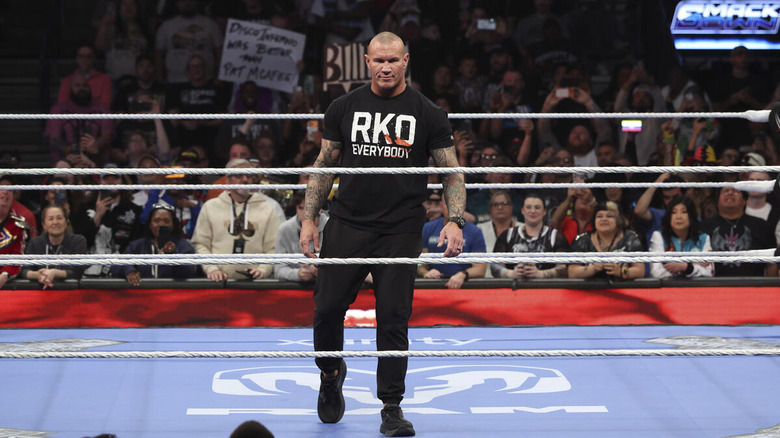
The opening segment of the night saw the reigning Undisputed WWE Champion, Cody Rhodes, find himself in a tense exchange with the enigmatic Randy Orton. The veteran superstar, accompanied by the polarizing personality of Pat McAfee, addressed the WWE Universe with a promo that sought to reframe his recent heel turn. Orton, speaking from the center of the ring, detailed his perceived betrayal by Rhodes, lamenting the champion’s past actions and his own perceived neglect in favor of elevating others. He questioned his own journey, suggesting that his pursuit of greatness had been sidetracked by his focus on mentoring and protecting Rhodes. The narrative was further complicated by the presence of a mysterious "agreement" presented to McAfee by General Manager Nick Aldis. While the specifics of this document remained vague, its mere existence added an undercurrent of uncertainty, hinting at potential machinations that could influence the championship landscape. Orton’s assertion that McAfee had done more for him than Rhodes throughout his career, while intended to generate heat, felt like a jarring and somewhat unbelievable claim, detracting from the otherwise solid foundation of his heel persona. This segment, while attempting to bolster Orton’s heel credibility and solidify his motivation for challenging Rhodes, ultimately felt like a case of "too little, too late," leaving a lingering sense of unease about the long-term trajectory of this feud, even beyond WrestleMania.
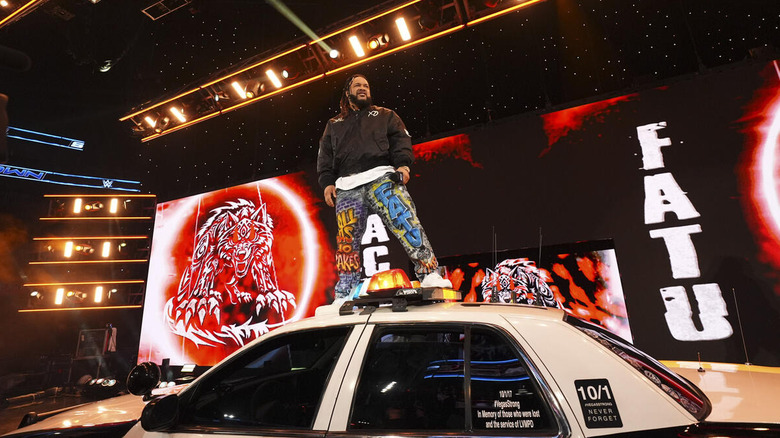
In a display of raw power and impactful storytelling, Jacob Fatu delivered a career-defining promo atop a police cruiser, directly addressing the persistent accusations leveled against him by Drew McIntyre. McIntyre had relentlessly harped on Fatu’s past legal troubles, specifically a youthful indiscretion that led to a period of incarceration. Fatu, however, seized this narrative and turned it into a powerful statement of defiance. His arrival in the arena, escorted by law enforcement, was a visual metaphor for confronting his past head-on. Standing atop the vehicle, Fatu commanded the attention of the audience with a promo that exuded authenticity and intensity. He declared that McIntyre was the only one still dwelling on events from nearly two decades prior, highlighting the disconnect between the champion’s fixation and Fatu’s personal growth and redemption. Fatu’s exceptional oratory skills, coupled with his unique cadence and palpable sincerity, made his words resonate deeply. His promise that no security, army, or SWAT team would be able to save McIntyre from their impending unsanctioned match felt like a genuine threat, setting the stage for a cathartic showdown. The segment masterfully showcased Fatu’s potential as a future top star, particularly at a time when WWE is reportedly seeking to fill the void left by Roman Reigns’ departure from regular television. Fatu’s confident declaration that his redemption story held more depth than McIntyre’s repetitive accusations underscored his readiness for a prominent role on the main roster.
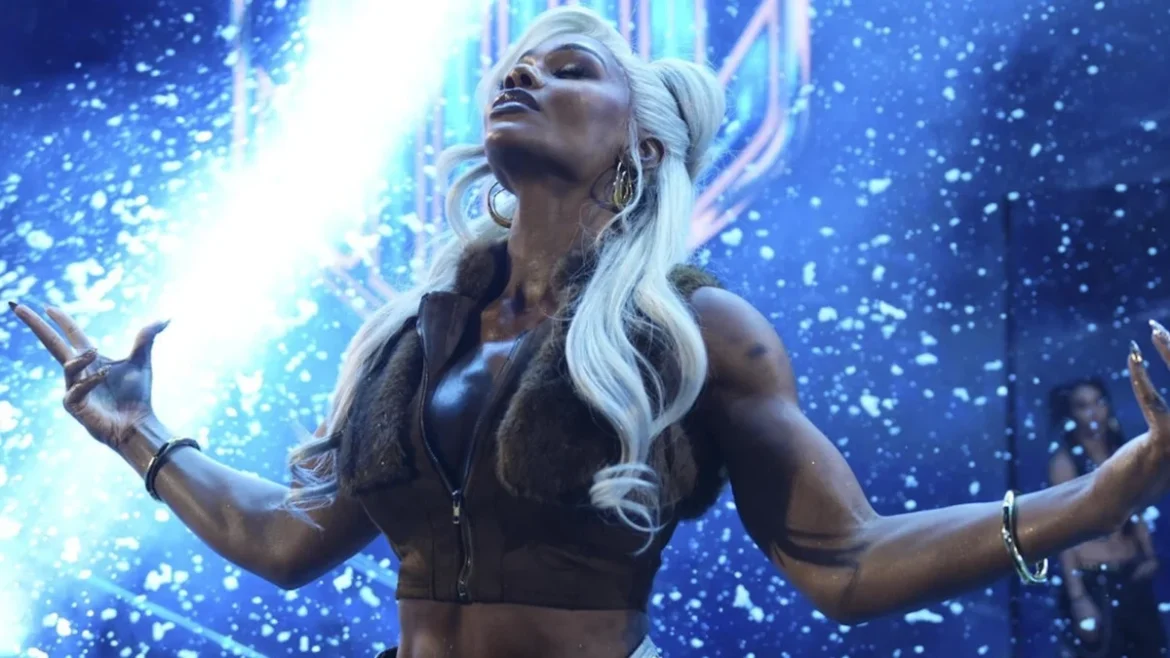
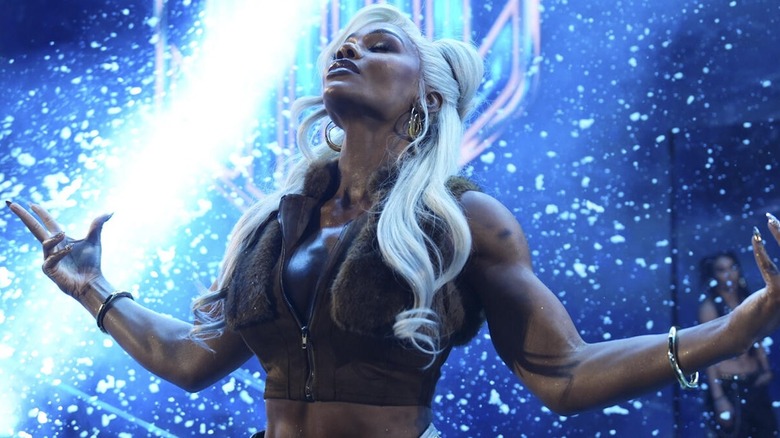
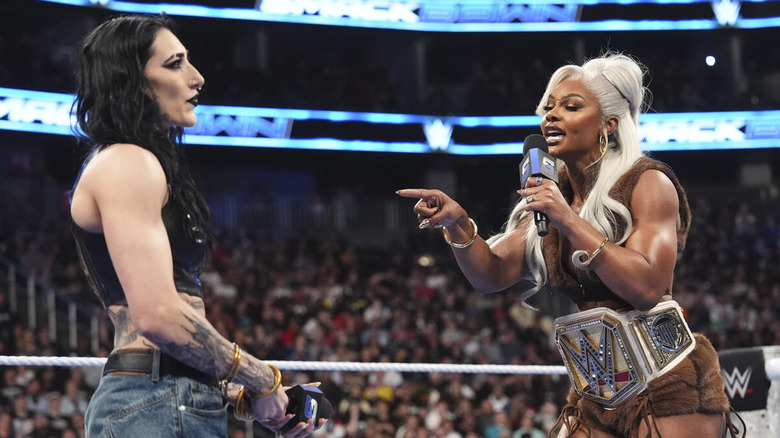
The Women’s World Championship picture received a crucial final touch as Rhea Ripley and Jade Cargill engaged in a surprisingly understated yet highly effective segment. In a departure from the usual high-octane confrontations, Ripley requested a one-on-one conversation with Cargill, with their respective allies, Michin and B-Fab, positioned outside the ring. This allowed the spotlight to remain squarely on the two formidable competitors. Ripley, known for her commanding presence and exceptional character work, did not shy away from directly addressing Cargill, showcasing her fearless demeanor. Cargill, in turn, responded with a level of confidence that hinted at a subtle vulnerability beneath her imposing exterior, a testament to her own burgeoning character development. This segment served as a refreshing change of pace, providing a more intimate and focused build-up to their WrestleMania clash. Following the impactful brawl between Liv Morgan and Stephanie Vaquer on Raw, WWE demonstrated a commendable commitment to meticulously crafting the narratives surrounding their women’s championship matches, giving them the dedicated attention they deserve heading into the biggest event of the year.
Conversely, the situation surrounding the Women’s United States Championship continued to be a source of considerable frustration. The decision to have Tiffany Stratton face Jordynne Grace for a shot at the title, rather than directly involving the current champion, Giulia, was a perplexing one. It amplified the feeling that the championship itself was being sidelined, especially with Giulia being absent from the WrestleMania 42 card entirely. This stands in stark contrast to the impromptu Tag Team Championship match featuring Damian Priest and R-Truth, highlighting a perceived disparity in the booking priorities. Furthermore, the match itself lacked the spark that had previously defined Stratton’s performances. While acknowledging that Stratton has been navigating a transition as a babyface with a less defined character and storyline, there was a noticeable absence of the intangible spark that made her a compelling presence. The inevitability of Stratton’s victory, and her subsequent claim to the Women’s United States Championship, felt predetermined, diminishing the stakes of the contest. While a title reign might offer Stratton an opportunity to regain her footing and recapture the star power she once possessed, the execution of this particular segment felt like a missed opportunity, lacking the excitement and narrative weight that fans have come to expect.
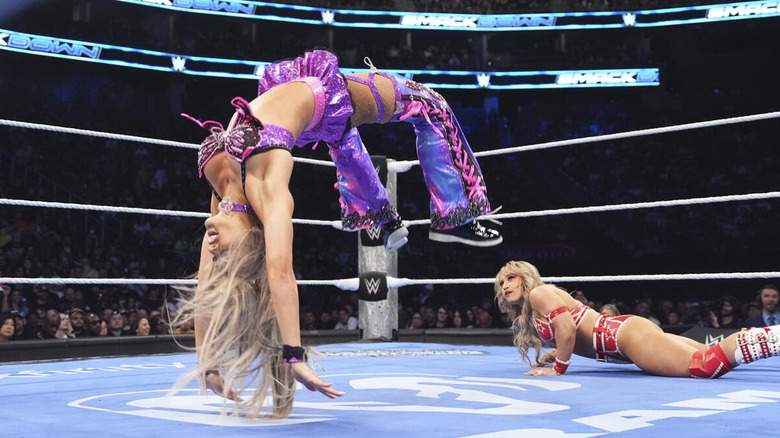
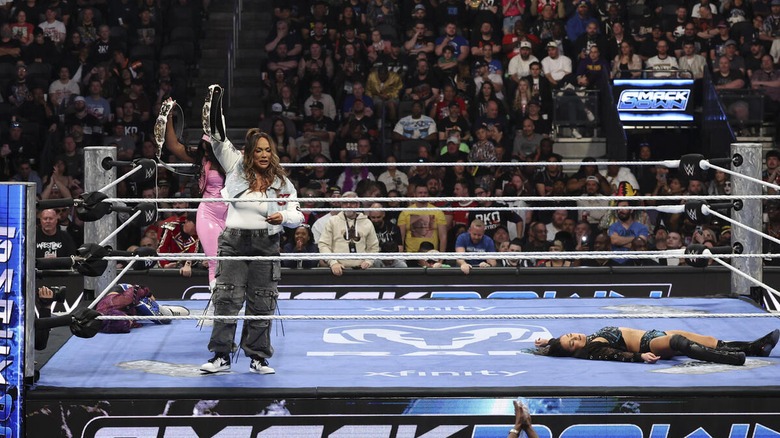
Adding to the list of disappointments was an underwhelming women’s tag team match that failed to ignite the expected fire. While the presence of Lyra Valkyria, Bayley, Charlotte Flair, and Alexa Bliss in the ring offered the promise of an engaging contest, the reality fell short. The match itself was truncated, devolving into a brief brawl before Nia Jax and Lash Legend, the reigning Women’s Tag Team Champions, intervened, resulting in a no-contest finish. While it made strategic sense for Jax and Legend to assert their dominance as the champions heading into WrestleMania 42, the execution felt abrupt, cutting short the potential for a more substantial encounter between the other four competitors. The choice to pit Valkyria and Bayley against Flair and Bliss also felt repetitive, especially considering recent matches on both SmackDown and Raw that had already featured these women in various combinations. This lack of fresh pairings contributed to a sense of weariness, and a more innovative matchup would have been preferable to build further anticipation for the upcoming Women’s Tag Team Championship Fatal Four-Way match.
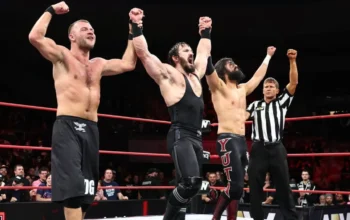
However, the night concluded on a high note with Royce Keys emerging victorious in the Andre the Giant Memorial Battle Royal. While the historical prestige of this particular match has often been debated, Keys’ triumph, coupled with the compelling narrative surrounding his entry into WWE, suggests this victory might carry more weight. In his second televised appearance on SmackDown, the former Powerhouse Hobbs outlasted a field of 26 other competitors, marking a significant moment in his burgeoning career. The battle royal itself was a well-paced affair, featuring a blend of comedic moments, such as Kit Wilson’s swift elimination and Johnny Gargano’s planking segment, which was ultimately interrupted by Otis. Standout performances included Aleister Black, whose presence was expected, and Talla Tonga, who showcased impressive resilience, offering a potential spark for the ongoing tensions within the Bloodline faction. The inclusion of talent from NXT and AAA, like Shiloh Hill, also added an interesting dimension to the contest. The emotional video package detailing Keys’ personal struggles, including the tragic loss of his mother, provided a raw and authentic introduction to his character, a rarity in the larger-than-life world of professional wrestling. Even if the Andre the Giant Memorial Battle Royal trophy doesn’t translate into immediate major storylines, Keys’ momentum is undeniable. His victory serves as a positive sign for his trajectory on television following his Royal Rumble debut, and it will be fascinating to observe his next steps, though an immediate entanglement with Solo Sikoa and the Usos might be a path to avoid for now.