In an era where the lines between reality and performance are increasingly blurred, particularly within the spectacle-driven world of professional wrestling, WWE superstar Seth "Freakin’" Rollins recently delivered a masterclass in the nuanced art of the "work" on a prominent mainstream platform. What began as a seemingly genuine, heated exchange on NFL Network’s "Good Morning Football" culminated in a revealing and highly entertaining resolution, affirming Rollins’ status not just as a top-tier in-ring competitor, but as a genuine showman capable of captivating audiences far beyond the squared circle. The elaborate ruse, meticulously orchestrated and flawlessly executed, left even seasoned industry insiders questioning its authenticity, a testament to the enduring power of compelling narrative in sports entertainment.
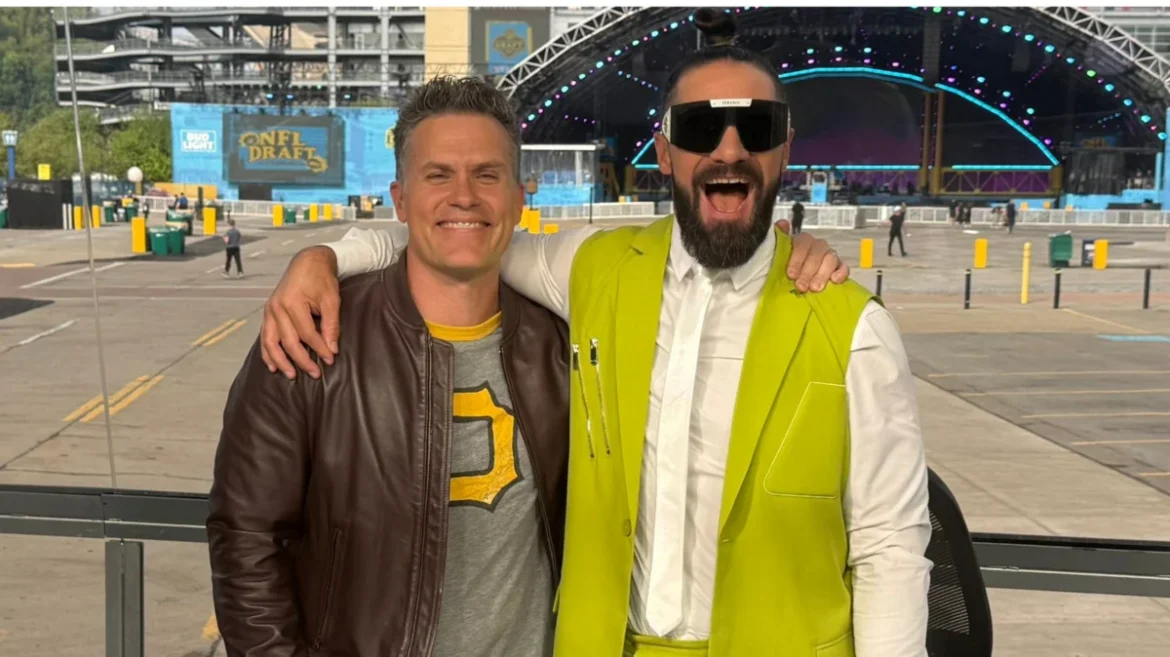
The drama reached its crescendo on a recent Friday morning broadcast, as the broadcast team and viewers alike braced for a potential continuation of the previous day’s startling incident. Rollins, renowned for his flamboyant attire and unhinged charisma, re-entered the studio with an air of calculated defiance. The tension was palpable, a thick atmosphere that permeated through the television screens, as his gaze immediately locked onto that of co-host Kyle Brandt. For a strained moment, the entire set seemed to hold its breath, anticipating another fiery confrontation. Then, in an instant that defied all the built-up animosity, the rigid posturing dissolved into hearty laughter. The stern expressions melted away, replaced by broad smiles, and the two men embraced, revealing the entire spectacle had been a meticulously planned deception, a theatrical flourish designed to generate maximum buzz and demonstrate the unique appeal of sports entertainment.
This remarkable pivot from animosity to camaraderie served as the definitive capstone to a viral moment that had exploded across social media just twenty-four hours prior. On Thursday, leading up to the much-anticipated NFL Draft, Rollins had made an abrupt and dramatic exit from the "Good Morning Football" set following a sharp disagreement with Brandt. The argument, presented with such conviction and intensity, revolved around a topic that felt perfectly innocuous enough to escalate into a real-world clash of personalities. Rollins, ever the provocateur, had taken exception to something Brandt had said, leading to a visible display of frustration and a sudden departure that left his fellow panelists and the viewing audience stunned, wondering if a genuine rift had formed between the regular co-hosts.
The immediate aftermath saw an explosion of speculation online. Wrestling fans, accustomed to dissecting every angle and discerning every "work" from a legitimate occurrence, debated furiously whether Rollins was simply in character or if a true professional spat had unfolded. Mainstream sports enthusiasts, less familiar with the intricate dance of sports entertainment, largely believed the confrontation to be authentic. This widespread acceptance across different fan demographics underscored the brilliance of the execution, as the performance managed to transcend its wrestling roots and penetrate the broader pop culture consciousness, effectively blurring the lines between what is real and what is presented for entertainment.
At the heart of this successful illusion lies the fundamental concept of a "work" within professional wrestling. For decades, the industry has masterfully crafted narratives and feuds that appear legitimate to the uninitiated, while those "in the know" appreciate the artistry behind the performance. A "work" is essentially a staged event, an angle designed to elicit a specific emotional response from the audience, drive interest, and advance a storyline, even if that storyline plays out on an unexpected stage. Seth Rollins, with his celebrated moniker as "The Visionary" and "The Architect," is arguably one of the most adept practitioners of this craft in contemporary wrestling. His entire persona is built around a theatrical, often self-aggrandizing, and morally ambiguous character who excels at manipulating situations and perceptions.
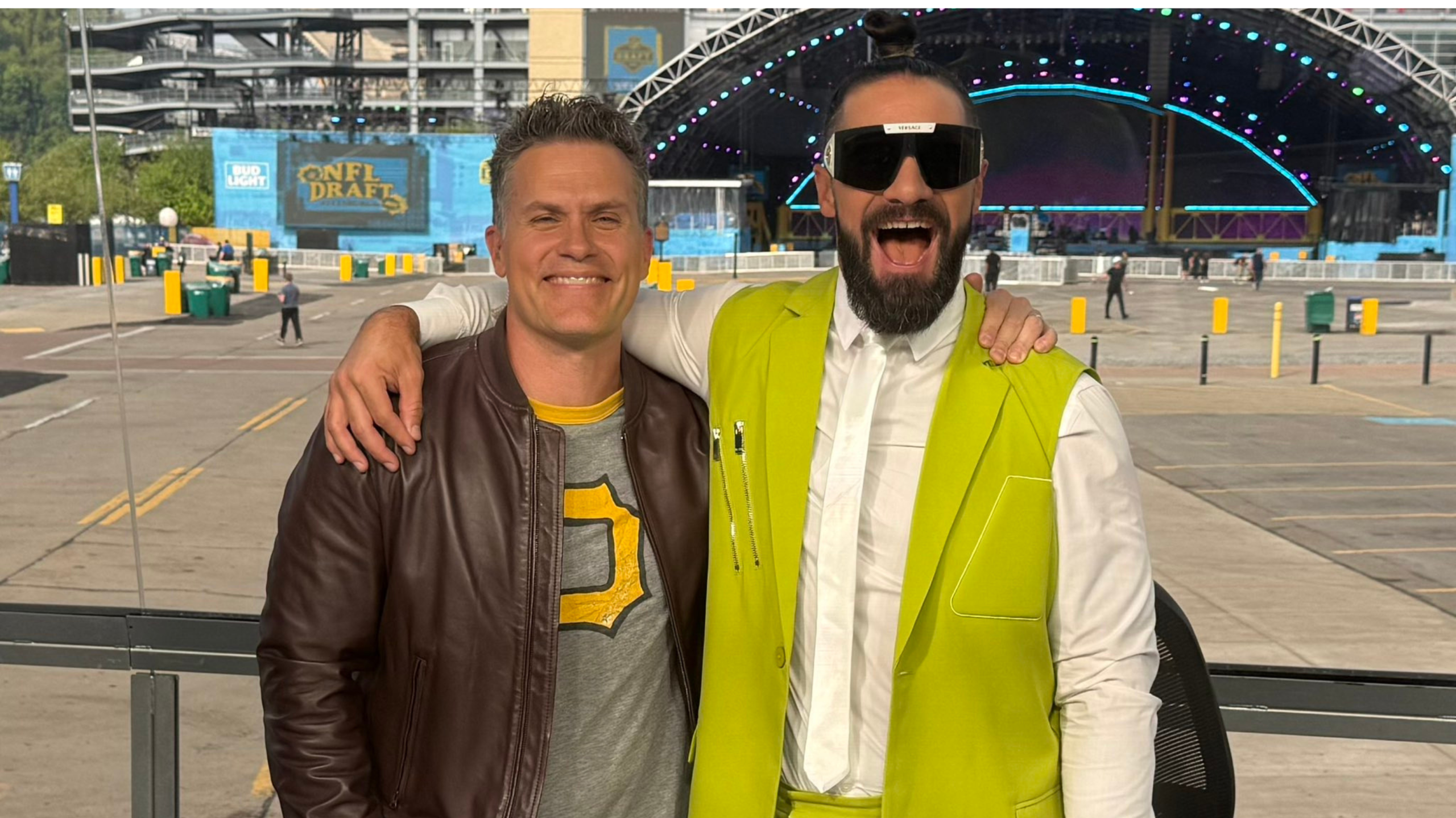
Rollins’ consistent portrayal of a character who sees himself as intellectually superior and artistically inclined, often to the chagrin of others, provides the perfect framework for such an elaborate deception. His on-screen persona thrives on mind games, psychological warfare, and an unwavering belief in his own genius. This inherent theatricality allows him to seamlessly transition into a scenario like the "Good Morning Football" walk-off, where his reaction, though exaggerated, remains entirely consistent with the unpredictable and often arrogant nature of "The Visionary." It’s a testament to his commitment to character that he can maintain such an intense level of performance outside of the WWE’s traditional arena.
The very premise of a WWE superstar becoming a regular fixture on a mainstream sports analysis show like "Good Morning Football" is, in itself, a significant crossover event. It speaks volumes about the expanding reach of professional wrestling and the growing mainstream acceptance of its athletes as multi-faceted entertainers. Rollins had previously made several guest appearances on the NFL Network program, charming audiences with his unique blend of wrestling bravado and genuine sports commentary. These earlier stints paved the way for the announcement last August that he would be joining the cast as a regular co-host, solidifying his presence in a realm typically reserved for former athletes and seasoned journalists. This consistent exposure to a non-wrestling audience makes any subsequent "work" all the more effective, as viewers have grown accustomed to seeing Rollins as a legitimate part of the show’s fabric.
The successful integration of Rollins into the "Good Morning Football" dynamic established a unique rapport between him and the other hosts, particularly Kyle Brandt. Brandt, known for his energetic personality and keen understanding of performance, proved to be the ideal foil and co-conspirator for this particular angle. It was, as both men revealed, Brandt’s initial concept, his "brainchild," to engineer the on-air confrontation. This detail is crucial, as it highlights a mutual respect for the craft of entertainment and an understanding that blurring the lines can create genuinely compelling television. Brandt’s initiative demonstrates a broader appreciation for the storytelling elements that wrestling brings to the table, and his willingness to dive headfirst into the theatrics speaks volumes about his own commitment to creating engaging content.
The execution of the initial "walk-off" was masterful in its simplicity and effectiveness. Rollins’ posture, his tone of voice, the sharp retort, and the sudden, dramatic exit were all carefully calibrated to appear unscripted. There was no over-the-top violence, no overt wrestling moves, just a raw display of perceived annoyance and professional disagreement. This subtlety was key to convincing the casual viewer that a real issue was unfolding. It wasn’t a "wrestling segment" infiltrating a sports show; it was presented as a genuine human interaction gone sour, making it all the more believable to those unfamiliar with the intricate language of sports entertainment. The natural setting of a live broadcast, with its inherent unpredictability, further lent credence to the staged event.
The true measure of a "work’s" success, however, is often found in the reactions it provokes, particularly from those who should ostensibly be immune to such deception. On Friday, as the truth was unveiled, both Rollins and Brandt shared anecdotes that perfectly encapsulated the widespread belief in their manufactured dispute. Brandt recounted receiving a message from a legendary figure in professional football, a "first-ballot Hall of Famer," who expressed genuine concern, asking, "Oh my God, what the heck was that? Are you all right?" This reaction from a revered athlete, someone accustomed to real-world competitive environments, stands as a powerful validation of the segment’s authenticity. It demonstrates that the performance was convincing enough to fool even those with an acute understanding of public personas and media interactions.
Rollins, in turn, revealed that the ruse had even prompted concern from within the upper echelons of his own organization. He recounted receiving a voice message from a "very, very high-ranking official" in WWE, whose primary concern was whether they needed to intervene or manage the situation with "Good Morning Football." The fact that someone so intimately familiar with the inner workings of sports entertainment, someone who understands the very fabric of "works" and storylines, could be momentarily taken in by the performance, speaks volumes about the flawless execution. It underscores the exceptional level of commitment both Rollins and Brandt brought to their roles, creating a scenario so convincing that it momentarily transcended the boundaries of kayfabe for even the most discerning eyes.

The successful execution of this crossover "work" offers multifaceted benefits to all parties involved. For Seth Rollins, it reinforces his character as a dynamic, unpredictable, and always-on entertainer. It elevates his profile beyond the dedicated wrestling audience, showcasing his range and charisma to a broader mainstream demographic that might not regularly tune into WWE programming. This kind of exposure is invaluable for a performer who thrives on attention and thrives on blurring the lines between his in-ring persona and his public appearances. It cements his status as a true "Visionary" who can adapt his craft to any stage.
For WWE, these high-profile, successful crossovers are gold. They serve as a powerful marketing tool, demonstrating the entertainment value and cultural relevance of their product to new audiences. When a top star like Rollins can generate such buzz on a respected sports platform, it validates the company’s position as a premier entertainment brand. It also highlights the versatility of their talent roster, showcasing that their superstars are not merely athletes but accomplished performers capable of engaging in various forms of media. Such incidents can pique the interest of casual viewers, potentially drawing them into the captivating world of professional wrestling.
For "Good Morning Football" and the NFL Network, the angle delivered a viral moment that generated significant social media engagement and discussion. It provided unique, water-cooler content that stood out from typical sports analysis. In a crowded media landscape, creating memorable moments is paramount, and this "work" certainly delivered. It showcased the show’s willingness to experiment with different forms of entertainment, broadening its appeal and demonstrating a creative approach to morning television. Kyle Brandt’s role as the architect of the idea also enhances his reputation as a creative and dynamic television personality who understands how to make compelling programming.
Looking ahead, this successful venture into meta-entertainment could pave the way for similar creative endeavors. It sets a precedent for how professional wrestlers can interact with mainstream media in ways that leverage the unique storytelling conventions of their industry. Rollins, with his established reputation for theatricality and his proven ability to execute complex character work, is perfectly positioned to continue exploring these boundaries. Whether it’s through further "works" on "Good Morning Football," or through other media appearances where his "Visionary" persona might subtly influence proceedings, the possibilities are intriguing. He has demonstrated that the art of the work is not confined to the wrestling ring but can be expertly applied to any platform where compelling narrative holds sway.
In conclusion, Seth Rollins’ recent "Good Morning Football" escapade was far more than a simple publicity stunt; it was a brilliantly executed masterclass in the art of the professional wrestling "work." It skillfully leveraged Rollins’ established persona, the engaging dynamic with Kyle Brandt, and the inherent unpredictability of live television to create a genuinely convincing and ultimately rewarding piece of entertainment. The widespread belief in its authenticity, even among discerning individuals, stands as a testament to the impeccable performance and the timeless appeal of blurring the lines between reality and fiction. Rollins, "The Architect" both in and out of the ring, has once again proven his unparalleled ability to craft narratives that resonate, captivate, and leave an indelible mark on the landscape of modern entertainment.