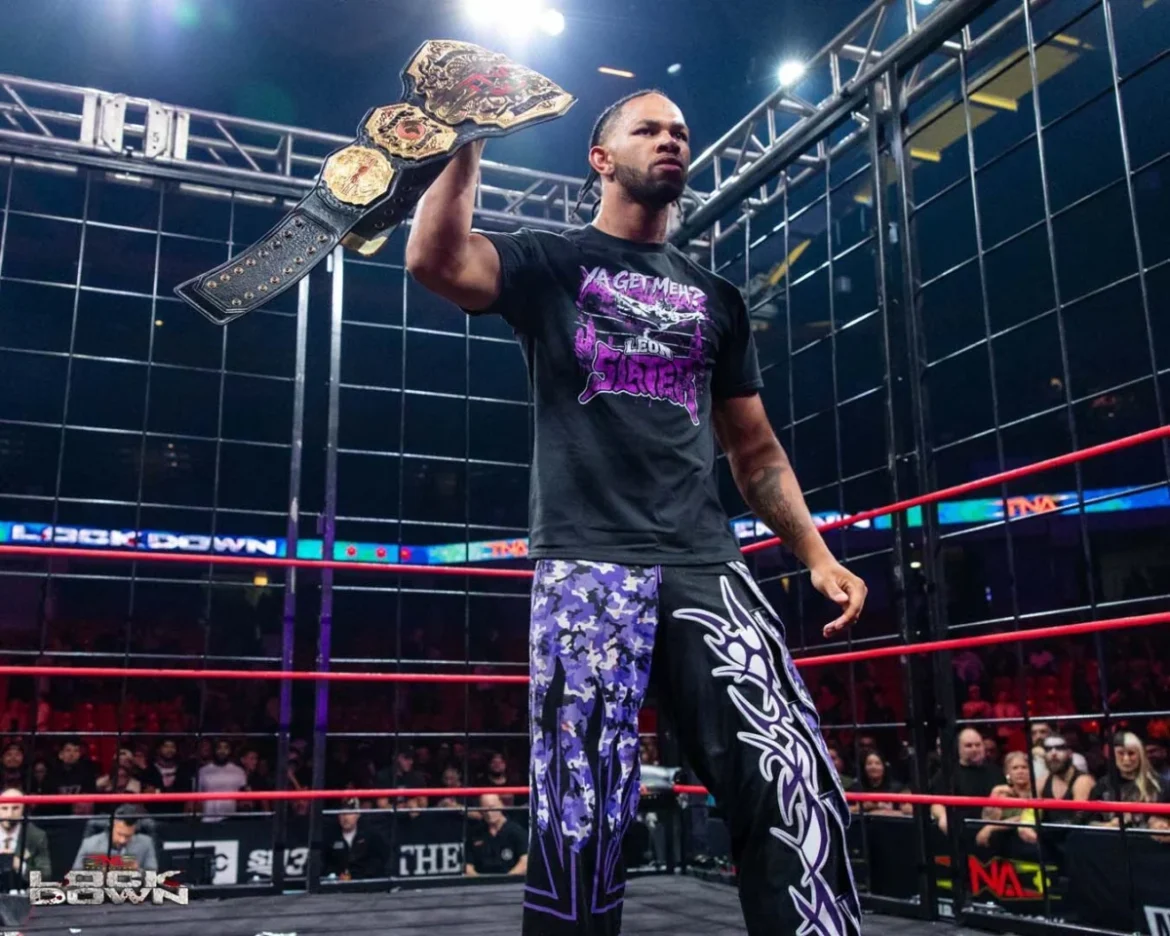
The landscape of professional wrestling has become an intricate tapestry of alliances, rivalries, and unspoken protocols, where the lines between cooperation and competition are perpetually blurred. In the midst of this complex environment, independent promotions often find themselves in precarious positions, acting as crucial feeders for top-tier talent while simultaneously navigating the political currents that flow between the industry’s titans. A recent incident involving rising TNA star Leon Slater and the prominent UK independent promotion, Revolution Pro Wrestling (RevPro), during the monumental AEW All In weekend in London, cast a stark spotlight on these underlying tensions, revealing the delicate balance promoters must strike to ensure the show goes on without inadvertently stepping on a corporate landmine. The surprising omission of Slater’s highly anticipated match from the MyAEW platform, which carried the RevPro show, sparked considerable discussion, eventually tracing back not to the dictates of the major companies, but to the calculated foresight of RevPro owner Andy Quildan.
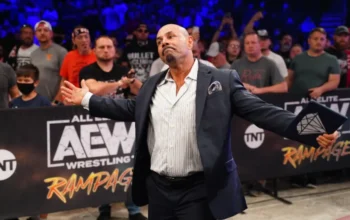
Quildan, a veteran figure in the British wrestling scene, found himself in a unique bind as his promotion prepared to host a significant event coinciding with All Elite Wrestling’s historic Wembley Stadium debut. The show featured a compelling lineup, including the electrifying Leon Slater, a talent widely recognized as one of TNA Wrestling’s most promising future headliners. When fans tuned into MyAEW to catch the RevPro action, they noted Slater’s bout was conspicuously absent. This absence, initially a mystery, was later clarified by industry insiders who confirmed that neither TNA nor AEW had issued a directive to prevent the match from airing. Instead, it was Quildan himself who made the executive decision, a move he described as an attempt to proactively circumvent potential issues and "make everyone’s life as easy as possible" in a climate increasingly sensitive to inter-promotional boundaries. His reasoning was rooted in a desire to avoid unforeseen complications, particularly given Slater’s contractual ties to TNA, an entity with whom AEW’s relationship had grown increasingly strained throughout 2023.
The intricate dance between AEW and TNA, once characterized by the promise of a "Forbidden Door" that allowed talent to traverse between promotions, had by this point become a minefield of unspoken rules and shifting allegiances. When AEW burst onto the scene in 2019, Tony Khan’s vision included a more open-ended approach to talent sharing, initially manifesting in collaborations with promotions like New Japan Pro-Wrestling and, for a period, even TNA. This era saw TNA talent, then known as IMPACT Wrestling, appear on AEW programming, most notably Kenny Omega’s stint as IMPACT World Champion, and a significant crossover storyline involving The Good Brothers. However, as 2023 progressed, whispers of "partner conflicts" began to circulate, leading to TNA wrestlers being quietly pulled from matches that would have seen them compete against AEW contracted talent. While never officially confirmed, the prevailing industry sentiment attributed these conflicts to AEW’s deepening, albeit unofficial, relationship with WWE, creating an awkward and increasingly unworkable dynamic for TNA, which was viewed by some as being caught in the middle. The appearance of a prominent TNA talent on a platform directly associated with AEW during one of its biggest weekends of the year was, for Quildan, a situation ripe for potential political friction.

Andy Quildan’s decision underscores the unenviable position of independent promoters, who often walk a tightrope between nurturing talent, entertaining fans, and maintaining cordial relations with larger, more influential organizations. His philosophy, as he articulated, revolves around "trying to envision every single problem that could occur before it becomes a problem." This proactive approach is born from years of experience in the often-unpredictable world of professional wrestling, where seemingly minor oversights can escalate into significant diplomatic incidents. For RevPro, an organization that has historically prided itself on its international connections and its role in bringing top-tier global talent to the UK, maintaining a reputation for professionalism and reliability is paramount. Collaborations with major companies like New Japan Pro-Wrestling have been a cornerstone of RevPro’s success, and its ability to host events featuring stars like Will Ospreay, who also made an appearance during that same All In weekend show, demonstrates its standing in the global wrestling ecosystem. However, Ospreay’s situation, as an independent talent before his eventual AEW signing, differed significantly from Slater’s, who was firmly under TNA contract. This distinction was likely a key factor in Quildan’s calculation.
Leon Slater himself is a testament to the thriving independent scene and the scouting acumen of promotions like TNA. Hailing from the UK, Slater has rapidly ascended through the ranks, captivating audiences with his high-flying offense, undeniable charisma, and athletic prowess. His signing with TNA Wrestling marked a significant milestone in his career, positioning him as a standout performer and a future anchor for the promotion’s main event scene. His designation as a "future World title challenger" is not mere hyperbole; it reflects the genuine belief in his potential within TNA. Therefore, his presence on a RevPro show, particularly one positioned to gain maximum exposure during an AEW-dominated weekend, was a significant draw. For Quildan, the dilemma was clear: showcase a phenomenal talent and risk upsetting one of the major players, or err on the side of caution to protect his promotion’s future relationships. He chose the latter, demonstrating a pragmatic understanding of the wrestling business’s unwritten rules.
The aftermath of Quildan’s decision offered an interesting twist. While the initial blackout prevented the match from being seen on MyAEW, the bout eventually found its way to the public sphere through RevPro’s official YouTube channel. This move, in hindsight, might have inadvertently drawn even more attention to the situation than if it had simply aired as part of the initial broadcast. As Quildan himself reflected, "With the benefit of hindsight, maybe we did the wrong thing because that almost created more attention on the situation." This candid admission highlights the no-win scenarios that promoters often face. Attempts to navigate complex political waters can sometimes backfire, turning a quiet precaution into a more public discussion point. Yet, it also speaks to the continuous learning curve inherent in professional wrestling. The industry is dynamic, relationships evolve, and what constitutes "good business" today might be different tomorrow. Quildan’s desire to "learn, evolve, and adapt" speaks to the resilience required to thrive in this environment, emphasizing his ultimate goal of simply doing "good business" with anyone willing to engage.
The broader implications of this incident extend beyond a single match or promotion. It serves as a microcosm of the current state of inter-promotional relations, particularly as WWE, AEW, and TNA all vie for talent, market share, and influence. The "Forbidden Door," once a symbol of unprecedented cooperation, has become increasingly conditional, often swinging open only when it serves the strategic interests of the dominant parties. For independent promotions like RevPro, which are vital for talent development and for offering unique fan experiences, this shifting landscape presents both opportunities and significant challenges. They rely on the ability to book diverse rosters, often featuring talent from various companies, to create compelling cards. However, when the political temperature rises, these booking decisions become fraught with potential pitfalls.

The tension between AEW and TNA in 2023 was not an isolated incident but part of a larger trend of heightened competition and strategic maneuvering. With AEW’s continued growth and its emergence as a legitimate alternative to WWE, the industry has witnessed a return to more guarded, less collaborative practices. While individual talents may still desire to work across promotions, particularly on the independent circuit, the corporate directives often dictate otherwise. This has created a climate where even seemingly innocuous appearances by contracted talent can be viewed through a political lens, forcing promoters like Quildan to act as diplomatic agents, making judgment calls that prioritize the long-term health of their business over immediate gratification.
Quildan’s decision, therefore, was not merely about a single match but about the intricate web of relationships that define modern professional wrestling. It was a pre-emptive strike against potential future complications, an attempt to insulate RevPro from the broader corporate machinations that often play out behind the scenes. His desire to avoid being "involved in wrestling politics" is a sentiment likely shared by many independent promoters who wish to focus solely on the in-ring product and the fan experience. Yet, the reality of the business dictates that politics are an inescapable element, requiring constant vigilance and strategic thinking.
Looking ahead, the Leon Slater incident at RevPro offers a valuable lesson in the evolving dynamics of the wrestling world. It highlights the importance of communication, the nuanced interpretations of contractual obligations, and the critical role played by independent promoters in navigating these complexities. As the industry continues to consolidate and major players solidify their positions, the pressure on smaller promotions to align themselves carefully will only intensify. Quildan’s candid reflection suggests a pragmatic path forward: continuous learning, adaptation, and a steadfast commitment to conducting "good business" while remaining acutely aware of the invisible forces that shape the industry. The unseen manoeuvres, the calculated omissions, and the quiet diplomacy are all integral parts of keeping the wrestling ecosystem functioning, even if it means that some exceptional performances, like Leon Slater’s during All In weekend, initially remain hidden from wider view. The eventual release of the match on YouTube also demonstrates that while caution is paramount, the desire to share incredible wrestling with fans ultimately prevails, albeit on carefully chosen terms.