The grand spectacle of WrestleMania, the undisputed pinnacle of the professional wrestling calendar, is upon us. Yet, as the dust settles on the final preparations for "The Showcase of the Immortals," a palpable sense of unease has permeated certain corners of the wrestling discourse. For some, the build-up to key contests has been less than stellar, failing to ignite the fervent anticipation typically associated with WWE’s flagship event. This sentiment has been voiced with particular vehemence by a prominent figure in the industry, who, in a rather unconventional turn of events, has proposed a daring and decidedly audacious maneuver for the head of a rival promotion.
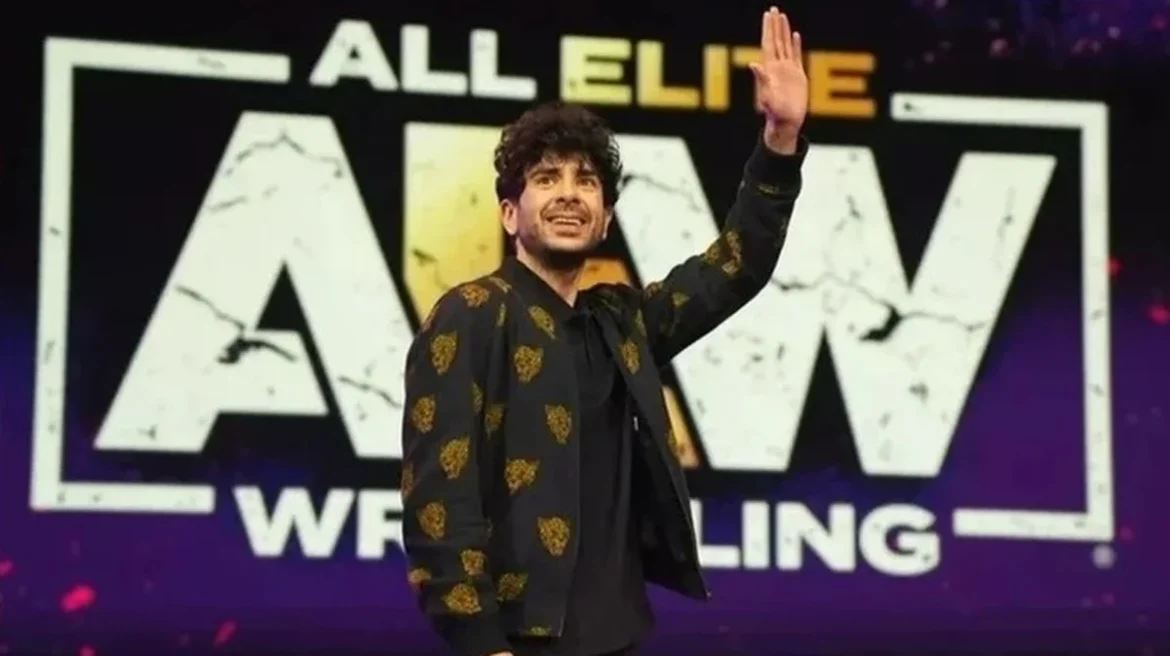
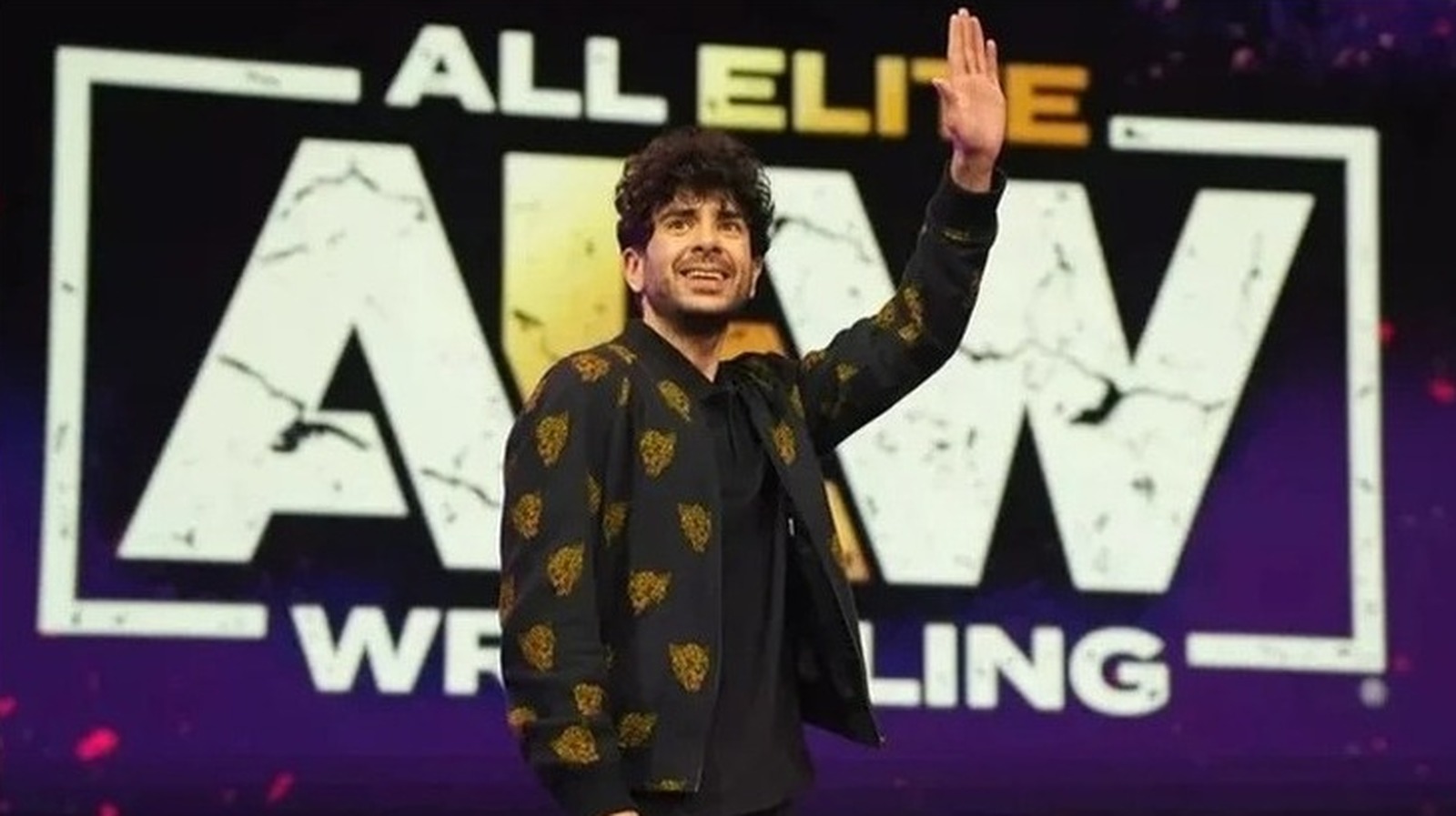
Bubba Ray Dudley, a legendary figure in professional wrestling and a respected voice on the circuit, recently articulated a provocative strategy that he believes Tony Khan, the President and CEO of All Elite Wrestling (AEW), ought to consider. The target of this hypothetical, yet intriguing, proposition? The remaining unsold tickets for WWE’s WrestleMania event. Dudley, speaking on the popular "Busted Open Radio" podcast, painted a vivid picture of Khan executing a bold public relations coup. His vision involved Khan purchasing all remaining tickets to WWE’s marquee event, not to attend, but as a symbolic gesture. The underlying message, as articulated by Dudley, would be a stark indictment of the perceived quality of WWE’s current storytelling and match programming. Khan, in this scenario, would then publicly declare the event unworthy of fan attendance, framing his action as a benevolent act of saving wrestling enthusiasts from a subpar product. "This s is so awful, nobody’s going to it," Dudley declared, imagining Khan’s pronouncement. "I wouldn’t let you watch this s…You’re welcome…I’m saving you from bad wrestling."
This outlandish suggestion, while clearly hypothetical, taps into a deeper narrative: the ongoing competition and underlying tension between WWE and AEW. It’s no secret that Tony Khan harbored ambitions to acquire WWE when the Stamford-based company was put up for sale in 2023. While those acquisition talks ultimately did not materialize, with TKO Group Holdings emerging as the new ownership, the desire for a significant impact on the wrestling landscape clearly remains a driving force for Khan. Dudley’s proposal, however outlandish, could be interpreted as a way for Khan to assert his promotion’s relevance and potentially siphon attention away from WWE during its most crucial promotional period. The timing of this commentary is particularly noteworthy, as WrestleMania is not just a wrestling event; it’s a cultural phenomenon, drawing immense viewership and media attention. Any action, even a symbolic one, that casts a shadow over its success could be perceived as a strategic win for a competing entity.
Adding a layer of intrigue to this discussion is the recent announcement regarding ticket sales for one of the WrestleMania nights. Pat McAfee, a prominent media personality who has become a fixture in WWE programming, recently revealed a significant price reduction of 25% on tickets for Saturday’s WrestleMania broadcast. This move, designed to incentivize attendance, is set to expire immediately following WWE’s flagship weekly show, "Monday Night Raw." This strategic price adjustment underscores the constant effort by WWE to maximize attendance and buzz for their biggest show, a detail that doesn’t escape the notice of seasoned wrestling observers and analysts. The very fact that a price cut is deemed necessary for a major WrestleMania event, while not necessarily indicative of widespread failure, does provide fertile ground for speculative commentary and critiques of the current booking and fan engagement.
The rivalry between AEW and WWE, though often characterized by a stark contrast in their respective wrestling styles and philosophical approaches, has always been a fascinating subtext to the broader wrestling industry. AEW, under Khan’s leadership, has positioned itself as an alternative, a haven for a more traditional, in-ring focused product, often drawing comparisons to the golden eras of professional wrestling. WWE, on the other hand, has long been the undisputed titan, a global entertainment juggernaut that blends athletic competition with elaborate storytelling and mainstream appeal. The competition for viewership, for talent, and for the hearts and minds of wrestling fans is a perpetual, underlying current. Dudley’s hypothetical scenario, therefore, speaks to the broader competitive landscape and the constant jockeying for position between these two promotional giants.
The context of Dudley’s remarks also warrants consideration. Bubba Ray Dudley, as one half of the legendary Dudley Boyz tag team, has a deep understanding of the wrestling business, both from an in-ring and a promotional perspective. His tenure in various major wrestling organizations, including WWE and Impact Wrestling, has provided him with invaluable insights into what resonates with audiences and what can elevate a product. His willingness to offer such a candid, albeit provocative, piece of advice to a rival promoter like Tony Khan suggests a genuine belief that the wrestling landscape is dynamic and that innovative, even unconventional, strategies can have a significant impact. It also highlights a certain level of respect for Khan as a promoter, even while acknowledging the intense competition.
Furthermore, the notion of "saving fans from bad wrestling" is a sentiment that resonates with a segment of the wrestling fanbase that often feels underserved by mainstream product. These fans are perpetually seeking authenticity, compelling narratives, and high-quality in-ring action. When a promotion like WWE, with its vast resources and reach, is perceived to be falling short on these fronts, it opens the door for alternative voices and alternative promotions to capture the attention of these discerning viewers. Tony Khan and AEW have, in many ways, cultivated this demographic, positioning themselves as the purveyors of the wrestling that these fans crave.
The idea of a promoter buying out tickets to a rival’s event is not entirely unprecedented in the annals of wrestling lore, though usually it’s done for different reasons, often as a protest or to make a statement about perceived injustices. However, Dudley’s twist – framing it as a move to highlight the supposed inferiority of the product by making it appear unpopular – is a particularly Machiavellian and publicity-savvy interpretation. It’s a move that would generate significant buzz, regardless of its actual impact on ticket sales. The sheer audacity of it would likely dominate wrestling conversations for days, drawing attention to both the act itself and, by extension, to AEW as the entity bold enough to undertake such a maneuver.
The underlying implication of Dudley’s statement is that the current creative direction of WWE, particularly in the lead-up to WrestleMania, might be alienating a portion of the audience, or at least failing to capture their full enthusiasm. While WrestleMania is generally a strong draw, the specific mention of the Undisputed WWE Championship match between Cody Rhodes and Randy Orton, and the perceived awkward integration of Pat McAfee into the storyline, suggests that even the most anticipated bouts can suffer from less-than-ideal build-ups. This is a perennial challenge in professional wrestling; the journey to the destination is often as important, if not more so, than the destination itself. When the journey is perceived as tedious or uninspired, it can diminish the overall impact of the grand finale.
In the grand tapestry of professional wrestling, the interplay between competition and commentary is a constant, fascinating dynamic. Figures like Bubba Ray Dudley, with their deep understanding and willingness to voice their opinions, play a crucial role in shaping the narrative and sparking debate. Tony Khan, as a promoter operating in a highly competitive market, is no stranger to strategic thinking and calculated risks. While the notion of him purchasing unsold WrestleMania tickets might remain a fantastical proposition, it serves as a potent metaphor for the ongoing battle for wrestling supremacy and the enduring quest for fan engagement. The wrestling world is a stage, and the players, both on-screen and off, are constantly maneuvering for position, looking for any angle to capture the spotlight and the adoration of the audience. Dudley’s suggestion, however outlandish, is a testament to the enduring creativity and sometimes audacious spirit that defines this unique form of sports entertainment.