The landscape of professional wrestling, particularly within the developmental confines of WWE NXT, is a constantly evolving tapestry. The recent installment, dubbed "NXT Revenge," aimed to inject a sense of retribution and consequence into its programming. While the thematic promise of vengeance was perhaps more aspirational than fully realized on this particular night, the episode nonetheless served as a crucial waypoint, showcasing emerging talent, solidifying existing championship narratives, and laying the groundwork for future conflicts. This examination delves into the key moments and underlying currents that defined the show, highlighting both the triumphs of strategic booking and the areas where the narrative might have benefited from a sharper focus on its titular theme. The brand, ever in flux with potential main roster call-ups looming, relied on its current champions and rising stars to maintain momentum and build anticipation for what lies ahead.
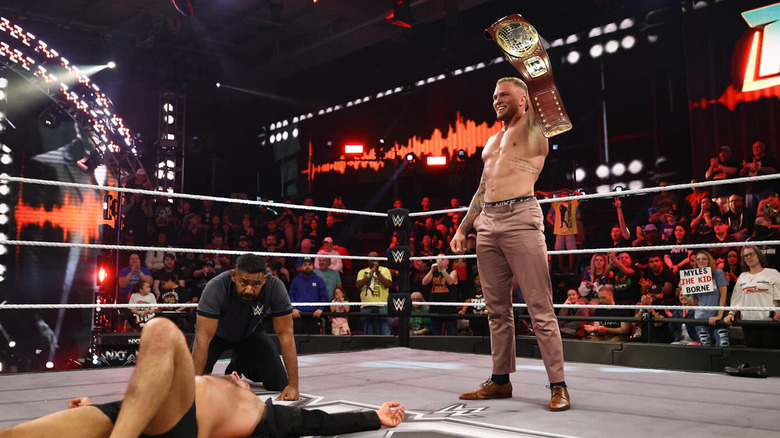
One of the most compelling narratives to emerge from "NXT Revenge" centered on Myles Borne, the NXT North American Champion. As the calendar inches closer to WrestleMania, a period traditionally marked by the ascent of NXT talent to the main roster, the importance of established champions like Borne cannot be overstated. The departure of key figures to Raw or SmackDown inevitably creates voids in the upper echelons of the NXT hierarchy. In this context, Borne’s performance and presence are vital, not only to hold a title but to serve as a stable anchor for the brand. His recent progression suggests he is ready to embrace this responsibility, much like predecessors Oba Femi, Bron Breakker, and countless others who were tasked with carrying the torch during transitional periods. Borne’s ability to project confidence and command attention is increasingly evident. A segment on the show saw him effectively confront the faction known as Darkstate, delivering a concise yet impactful promo before outmaneuvering them and standing tall. This demonstration of his burgeoning charisma and ring acumen indicates a readiness to step into a more prominent leadership role within NXT. With Tony D’Angelo firmly entrenched as the NXT Champion, the presence of a dynamic and capable performer like Borne holding down the mid-card provides a crucial element of stability and excitement. His continued development sets a new benchmark for the brand, signaling a generation of talent poised to define NXT’s future.
Conversely, a significant point of contention arose from the very name of the event itself. For a show explicitly branded as "NXT Revenge," the actual execution felt surprisingly devoid of the promised retribution. The episode unfolded more like a typical installment of NXT, focusing on the initiation of new storylines and character developments rather than delivering impactful acts of vengeance. While a casket match was advertised for the subsequent week, suggesting a future payoff for the revenge theme, the majority of this particular broadcast seemed geared towards setting future narratives in motion. This disconnect between the show’s title and its content was a notable misstep. Following closely on the heels of "Vengeance Day," the expectation for a program called "Revenge" was a palpable sense of consequence and payoff. Instead, viewers were treated to elements like the construction of a coffin by Shiloh Hill and musical interludes from Joe Hendry, which, while potentially entertaining in isolation, did little to advance a cohesive revenge narrative. The show was certainly not without merit; it featured a solid lineup of matches and segments. However, the thematic dissonance created by the "Revenge" moniker felt like a missed opportunity to imbue the broadcast with a distinct and memorable identity.

Amidst the broader storylines, the spotlight shone brightly on two promising rookies, Kali Armstrong and Skylar Raye, in a match that exemplified NXT’s commitment to developing new talent. The decision to feature these two emerging performers against each other was a stroke of booking brilliance. It provided Armstrong with a crucial platform for her official NXT debut, allowing her to showcase her in-ring capabilities to a wider audience. Simultaneously, the match offered Raye a significant opportunity to make a strong first impression on the NXT Universe. Both competitors delivered a commendable performance, especially considering their limited experience on WWE programming. While Armstrong’s victory was largely anticipated given Raye’s status as an unadvertised opponent, the contest was far from a one-sided affair. The ample television time afforded to both wrestlers ensured that the match felt competitive and engaging, effectively establishing both individuals rather than simply elevating one at the expense of the other. This approach is precisely what NXT excels at: presenting fresh faces in a way that generates genuine interest and builds momentum for their future endeavors. The encounter between Armstrong and Raye was a standout moment, a testament to NXT’s ability to cultivate compelling new stars.
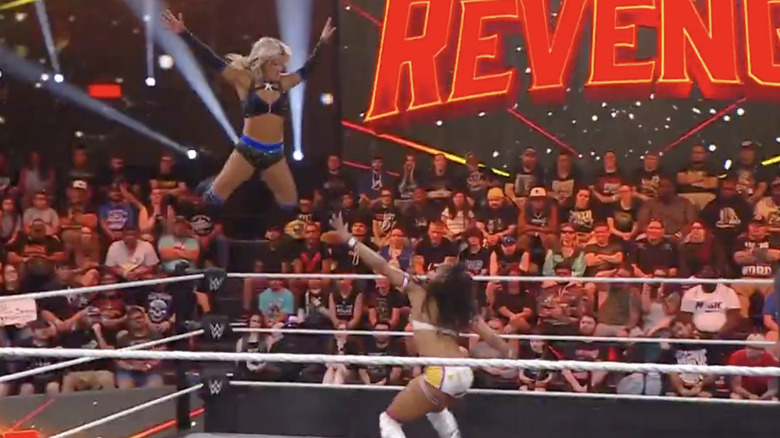
However, the narrative surrounding Jaida Parker continued to be a source of frustration. Her loss on this episode marked yet another setback in a series of recent defeats, raising questions about her creative direction. While the exact reasons for her persistent struggles remain unclear, speculation points to a potential consequence for a previous in-ring botch. Regardless of the underlying cause, Parker has struggled to secure decisive victories on NXT television. Her last significant win came in January against Nikkita Lyons, a victory that, while notable, does not carry the same weight as overcoming a more established competitor. Prior to that, her last win was in September against Lash Legend. While her performance in live events has reportedly been more successful, her televised record paints a picture of a performer consistently on the losing end. The match against Kelani Jordan, where Jordan was ultimately defeated, presented an ideal opportunity for Parker to secure a much-needed win and build momentum. Jordan, already a well-established figure in NXT, having held the inaugural Women’s North American Championship and previously been a TNA Knockouts Champion, did not require a victory to bolster her standing. Furthermore, rumors of Jordan’s potential main roster call-up, coupled with her association with Carmelo Hayes on SmackDown, suggest her future in NXT might be limited. Parker’s absence from the post-match confrontation challenging Lola Vice further underscored the missed opportunity. Given her crowd connection and potential, her current trajectory is perplexing and warrants a reevaluation of her creative path.
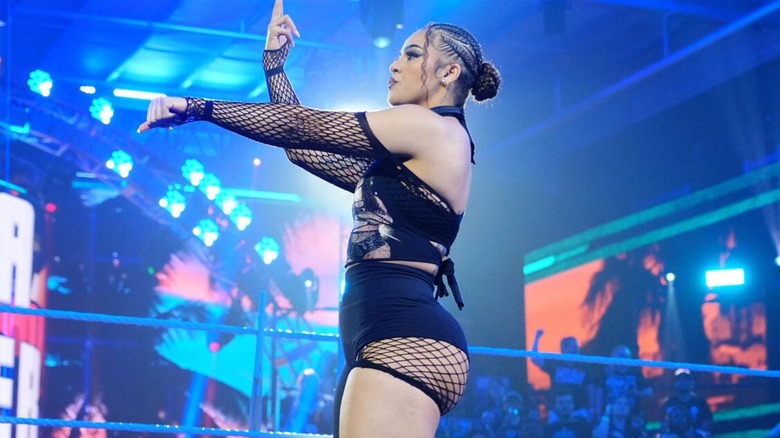
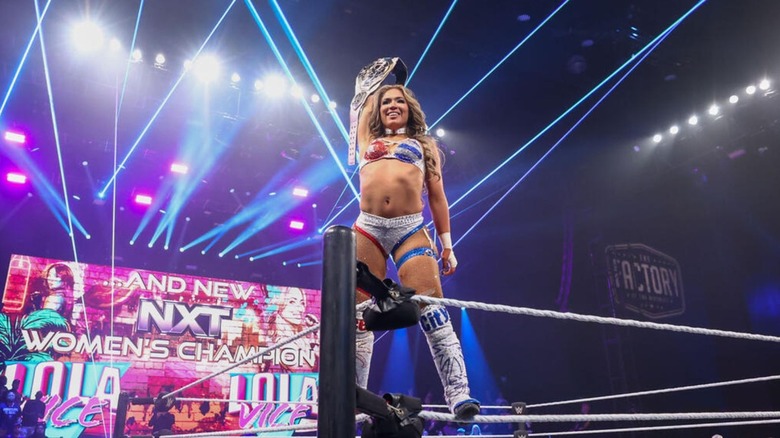
In contrast, the NXT Women’s Championship picture offered a more satisfying conclusion to the evening, with Lola Vice successfully defending her title against Jacy Jayne. The match itself was a strong display of Vice’s resilience and Jayne’s strategic acumen, featuring moments where it seemed Jayne was poised to reclaim the championship. Vice’s ability to overcome the interference of Fatal Influence, her faction, was a testament to her championship mettle. The match also cleverly incorporated a callback to how Jayne had previously won a title, with a submission hold in the ropes and a distraction from Lainey Reid on one side of the ring, while Fallon Henley attempted a similar kick to the leg of Vice as she had previously delivered to Stephanie Vaquer. While Henley’s execution of the maneuver wasn’t as clean, the nod to past events added a layer of storytelling depth. Despite the attempts by Fatal Influence to sway the outcome, Vice remained unfazed, ultimately securing the victory with her signature move. The post-match segment was equally compelling, as the newly debuted Kali Armstrong confronted Vice, issuing a clear challenge. Simultaneously, Kendal Grey reiterated her claim to the championship, while Izzi Dame and The Culling made their presence felt from the crowd. The appearance of Zaria, whose music hit, was intercepted by her scheduled opponent for the following week, Sol Ruca, further highlighting the depth of talent within the division. This segment effectively showcased the emerging contenders vying for Vice’s championship, particularly in light of potential main roster call-ups. With speculation surrounding the departures of performers like Blake Monroe, Ruca, and possibly Jayne, NXT appears to be strategically positioning its remaining talent to ensure the Women’s division remains robust and exciting, with Vice at its forefront.
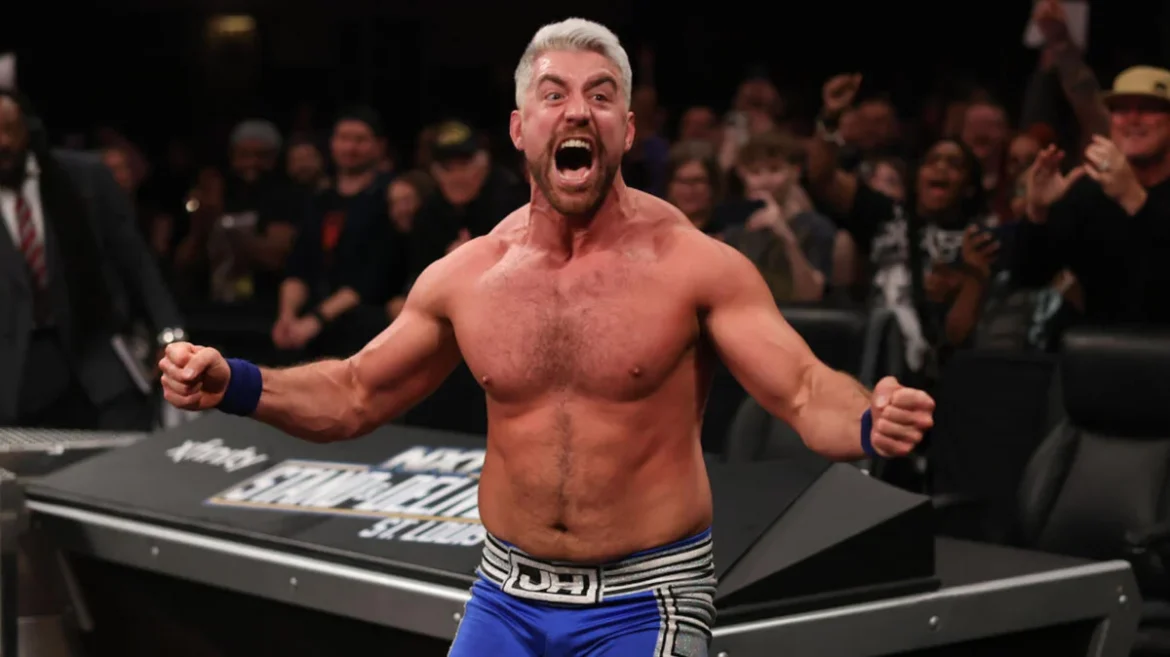
The thematic inconsistency of the "Revenge" branding was further exemplified by the inclusion of a Joe Hendry concert. While event names often serve as thematic suggestions rather than literal interpretations, the presence of a musical performance as a key segment on a show explicitly titled "Revenge" felt particularly incongruous. Hendry, having recently lost the NXT Championship to Tony D’Angelo and then seeing Ethan Page receive a rematch, found himself in a creative limbo. His character, while popular, seemed to be treading water, lacking significant development beyond his musical inclinations. The concert segment, intended to address his recent losses and potential rivalries, devolved into a somewhat disjointed musical interlude. While it did manage to spark a potential feud with Keanu Carver, the execution felt underwhelming. The narrative progression from a title loss to a musical performance felt like a departure from any semblance of genuine vengeance. While Carver’s intervention offered a glimpse of future conflict, the segment could have been structured in a manner that more directly addressed the "revenge" theme, rather than relying on a half-hearted musical performance that diminished the reality of Hendry’s character and the show’s overall premise. The reliance on a catchy song to propel Hendry’s character forward, while initially effective, has become a limiting factor, suggesting a need for more substantial character evolution beyond his musical talents.