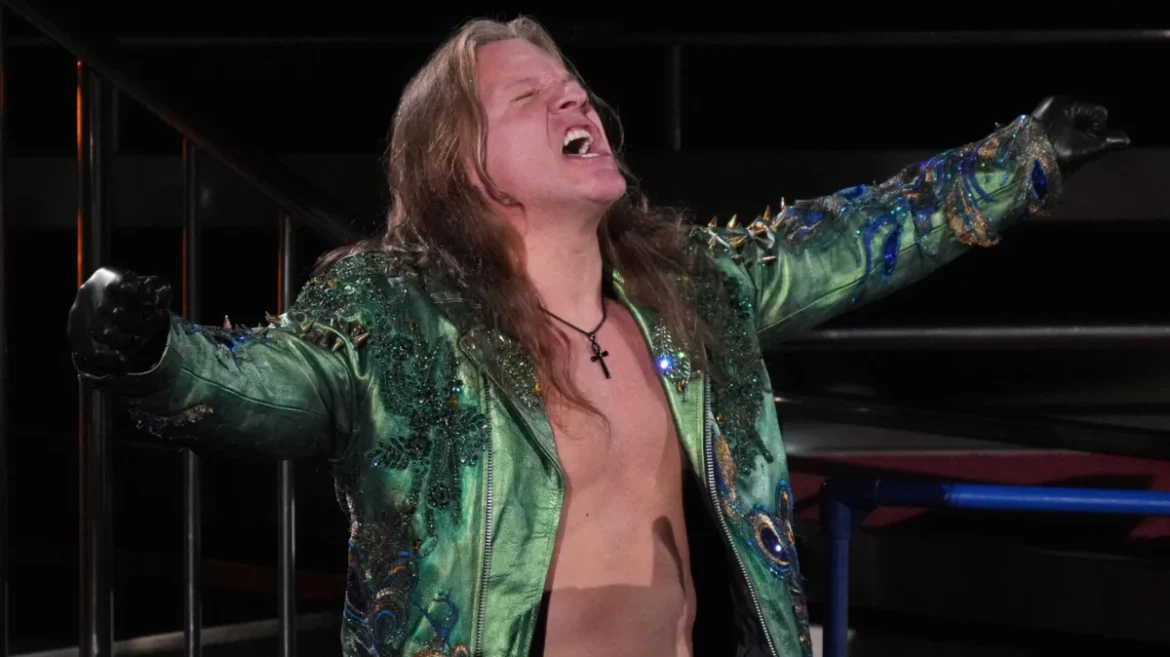
The wrestling world, a realm often characterized by its cyclical nature and the enduring power of established institutions, experienced a seismic shift in 2019 with the emergence of All Elite Wrestling. While the promotion’s arrival was a significant event in itself, the decision of veteran superstar Chris Jericho to join Tony Khan’s nascent venture proved to be a pivotal moment, not just for AEW, but for the industry at large. Jericho, a man who has consistently reinvented himself and remained at the forefront of professional wrestling for decades, found himself once again at the epicenter of a wrestling revolution, this time as a foundational pillar of a company that dared to challenge the decades-long dominance of WWE. His move, he argues, wasn’t merely a career change; it was a catalyst that fundamentally altered the economic blueprint of professional wrestling, creating ripples that benefited a vast swathe of the talent roster.
Reflecting on his decision to leave the behemoth that is WWE for the untested waters of AEW, Jericho drew a striking parallel to a legendary figure in another sport: hockey icon Bobby Hull. Hull, a transcendent talent in his era, made waves by leaving the established National Hockey League (NHL) for the rival World Hockey Association (WHA) in the 1970s. Jericho’s father, a professional hockey player himself, was directly impacted by Hull’s monumental contract with the WHA, a move that reportedly forced the NHL to significantly increase its own player salaries to retain its stars. This historical precedent, deeply ingrained in Jericho’s personal narrative, informs his perspective on his own impact on the wrestling industry. He posits that his departure from WWE, a company that had for years operated with a perceived salary cap, prompted a similar, albeit wrestling-centric, financial recalibration.
Jericho articulated this impact in a recent discussion, explaining that prior to his move, guaranteed contracts in WWE rarely, if ever, surpassed the million-dollar mark. This created a ceiling for talent, limiting the earning potential for even the most prominent performers. When Jericho, a globally recognized and highly bankable star, signed with AEW, it sent a clear signal to the industry: the landscape had changed. He believes his signing acted as a direct impetus for WWE to reassess its own compensation structures, leading to a situation where wrestlers began to command salaries exceeding that previously unheard-of seven-figure threshold. This, in Jericho’s view, was a transformative development, fostering a more lucrative environment for wrestlers across the board and contributing to a healthier, more competitive wrestling economy.
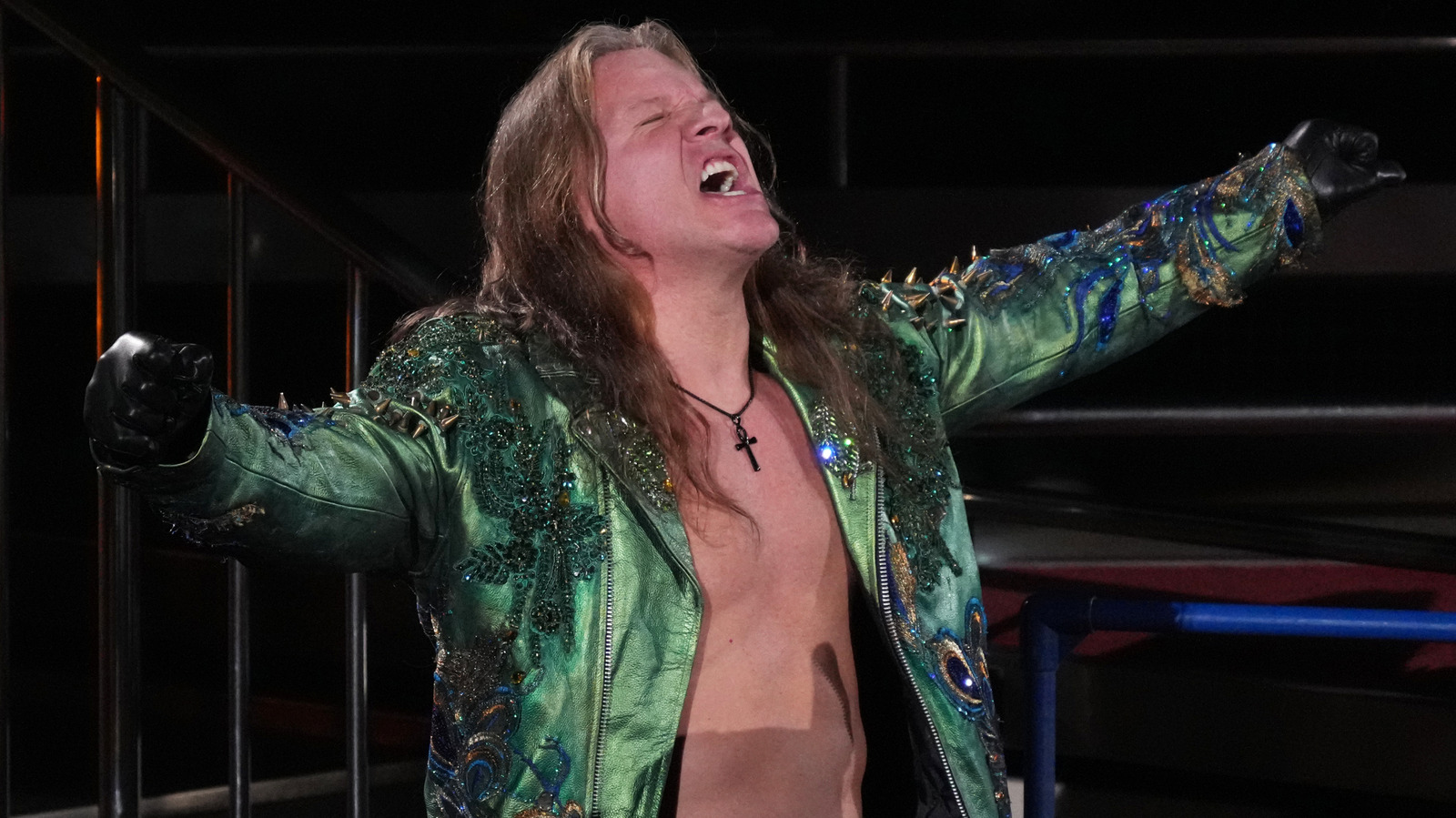
The genesis of AEW was met with a healthy dose of skepticism, a sentiment Jericho himself admits to sharing. Having witnessed numerous attempts to challenge the established wrestling order falter over the years, he initially harbored doubts about AEW’s viability. The wrestling landscape, particularly in North America, had been largely a monopoly for nearly two decades following the acquisition of World Championship Wrestling by WWE. This singular dominance had, in Jericho’s estimation, led to a stagnation in both creative output and financial opportunities for talent. The prospect of a new, well-funded competitor was exciting, but the practicalities of building such an entity from the ground up seemed, at first glance, an insurmountable task.
Jericho’s initial meeting with AEW founder Tony Khan, however, began to chip away at his reservations. He recognized that Khan possessed the three crucial ingredients necessary to launch a successful professional wrestling promotion: substantial financial backing, a clear vision for acquiring and nurturing new talent, and a crucial television deal that would provide the necessary platform for widespread exposure. These elements, when combined, represented a genuine opportunity to create something lasting and impactful. The realization that Khan had secured these vital components shifted Jericho’s perspective from skepticism to a cautious optimism, paving the way for his eventual involvement.
Once committed, Jericho understood the immense responsibility that rested upon his shoulders. As one of the few established, nationally recognized wrestling stars outside of the WWE umbrella at that time, he knew that the initial spotlight would shine brightly on him. He recognized that this period of intense focus was a critical window of opportunity, not just for his own career, but for the development of the nascent promotion. His strategic imperative was clear: to leverage his star power to elevate and introduce other talents to a wider audience, thereby building a deeper and more sustainable roster.
This proactive approach manifested in his deliberate efforts to collaborate with and promote emerging AEW stars. Jericho actively sought out opportunities to work with talents like Cody Rhodes, Kenny Omega, Adam Page, Darby Allin, Scorpio Sky, and Jungle Boy. These pairings were not merely random occurrences; they were calculated moves designed to pass the torch, to expose these promising individuals to his vast fanbase and to the broader wrestling world. By engaging in compelling feuds and alliances with these wrestlers, Jericho helped to solidify their standing, boost their credibility, and provide them with the invaluable experience of performing on a major stage alongside a seasoned veteran.
Beyond individual mentorship, Jericho also played a crucial role in fostering a sense of unity and collective strength within the locker room. The formation of The Inner Circle, a dominant faction comprising Sammy Guevara, Santana, Ortiz, and Jake Hager, served as a powerful example of this strategy. This stable provided a built-in narrative engine and a platform for multiple wrestlers to shine simultaneously. It demonstrated that AEW’s success would not hinge on a single individual, but on the collective strength and interconnectedness of its roster. By creating a group that commanded significant attention and generated compelling storylines, Jericho effectively diffused the pressure from his own shoulders and distributed it across a larger group of performers.
The impact of this strategy was profound. What began as a spotlight focused on one man gradually expanded to encompass a dozen or more performers. This gradual diffusion of focus was the very essence of building a sustainable wrestling company. It ensured that the promotion had depth, that there were multiple stars capable of carrying the main events and drawing significant viewership. This contrasted sharply with the often-monolithic structure of wrestling promotions in the past, where the success of the entire enterprise could be disproportionately reliant on one or two individuals.
The competitive dynamic introduced by AEW also had a beneficial effect on the existing wrestling landscape. Jericho observed that the emergence of a strong challenger inevitably revitalizes the incumbent. Just as the rivalry between WWE and WCW in the late 1990s spurred innovation and elevated the entire industry, the presence of AEW forced WWE to adapt and improve its own product. This healthy competition, in Jericho’s estimation, ultimately benefited wrestling fans worldwide by leading to a more diverse and dynamic array of programming and a higher overall quality of wrestling. The era of a single, unchallenged entity had ended, and the wrestling world was all the better for it.
Chris Jericho’s journey with AEW, from his initial hesitant foray into its creation to his integral role in its early success, represents more than just a chapter in his illustrious career. It signifies a profound understanding of the wrestling business, not just as an art form or a spectacle, but as an economic ecosystem. His strategic decision-making, his willingness to elevate others, and his keen insight into the power of competition have demonstrably reshaped the financial realities for countless wrestlers. By drawing parallels to Bobby Hull’s groundbreaking move in hockey, Jericho underscores the magnitude of his own influence, positioning himself not just as a performer, but as a genuine architect of change in the professional wrestling industry, ensuring a brighter and more prosperous future for the talent that fills its squared circles.