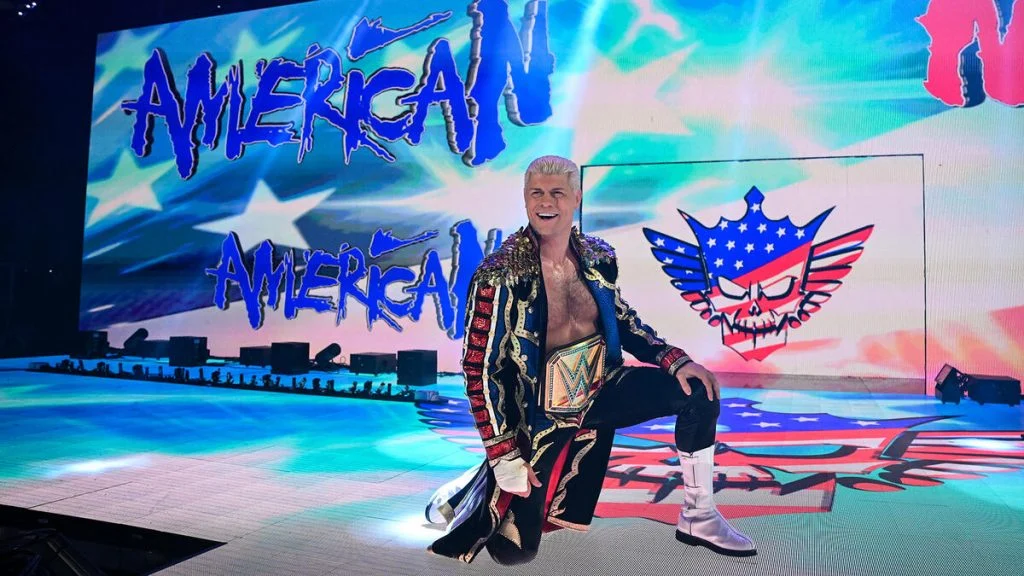
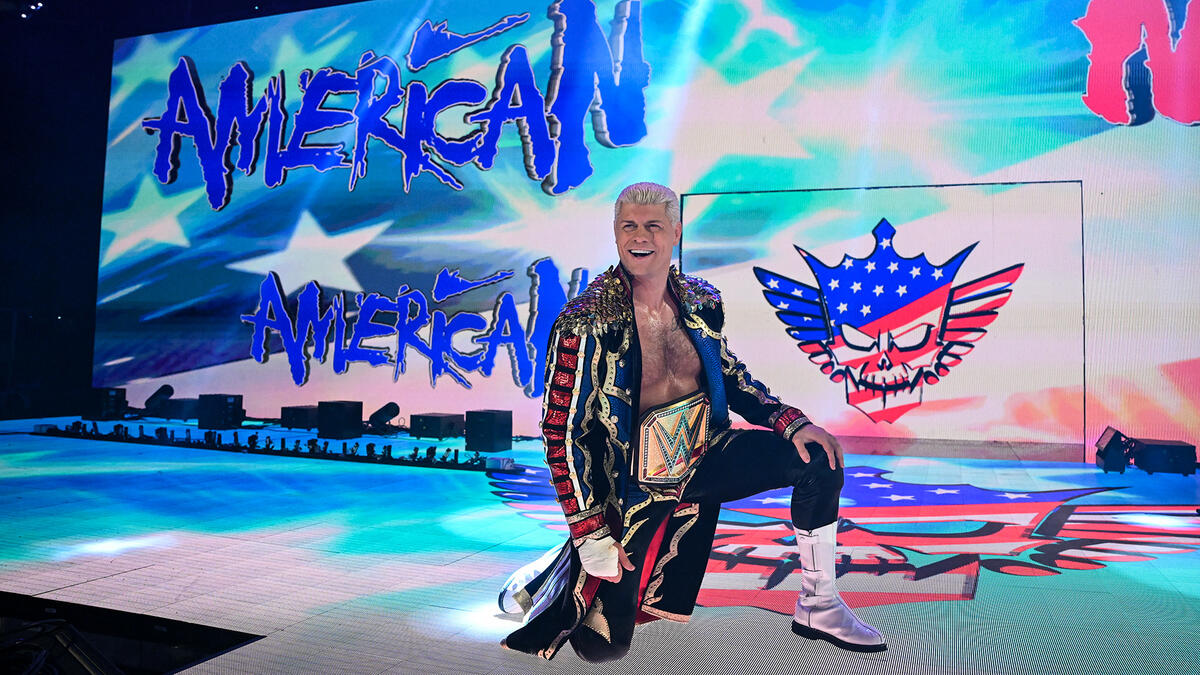
In the annals of professional wrestling, few careers have traversed such a dramatic and impactful arc as that of Cody Rhodes. From a burgeoning WWE prospect to a self-liberated independent circuit standout, then a foundational architect of a rival promotion, and finally, a triumphant return to the very empire he once abandoned, Rhodes’ journey is the stuff of legend. At the culmination of WrestleMania 40, "The American Nightmare" solidified his place atop the industry, vanquishing Roman Reigns to claim the Undisputed WWE Universal Championship and, in his own words, "finish the story." Yet, even as he basks in the glow of this monumental achievement, a lingering question continues to ripple through the wrestling world: the true motivations behind his sudden and unexpected exit from All Elite Wrestling (AEW) in February 2022, a promotion he helped bring into existence.
Cody’s initial departure from WWE in 2016 was itself a groundbreaking moment, a bold declaration of artistic independence from a performer frustrated by the constraints of the "Stardust" persona. This act ignited a revolution, seeing Rhodes thrive on the independent circuit, aligning with Bullet Club, and eventually co-promoting "All In," a monumental pay-per-view that proved a viable alternative to WWE could exist. The unprecedented success of "All In" directly paved the way for the formation of All Elite Wrestling, backed by the financial might of Tony Khan. Rhodes, alongside Kenny Omega and The Young Bucks, assumed the mantle of Executive Vice President, a dual role that placed him not only as a prominent on-screen competitor but also as a key decision-maker behind the scenes.
AEW’s inception in 2019 was a breath of fresh air for many wrestling enthusiasts. It offered a dynamic roster, diverse styles, and the promise of a truly competitive landscape. Cody, in particular, was positioned as a cornerstone. His impassioned promos, fiercely patriotic character, and willingness to bleed for the cause resonated deeply with audiences. He became the inaugural TNT Champion, a title he held multiple times, often defending it in acclaimed open challenge matches. His feud with his brother Dustin Rhodes at the inaugural Double or Nothing event was an emotional spectacle that perfectly encapsulated the company’s ethos of genuine, personal storytelling. He was the quintessential babyface, a symbol of hope against corporate wrestling.
However, as AEW evolved, subtle shifts began to emerge in Cody’s on-screen presentation and perceived creative direction. A pivotal moment came with his self-imposed stipulation that he would never challenge for the AEW World Championship again after failing to defeat Chris Jericho. While intended to elevate the World Title, this decision inadvertently painted him into a corner, limiting his main event aspirations within the company he helped build. Furthermore, his character began to drift, with segments that sometimes elicited a mixed response from the fanbase, leading to a polarizing reaction, despite his unwavering commitment to his persona. The very dynamic of the EVPs, a novel concept in wrestling governance, also presented its own unique challenges, as the lines between on-screen talent and corporate management often blurred.
Then came the shockwave: in February 2022, Cody and his wife Brandi Rhodes announced their immediate departure from AEW. The news sent ripples of disbelief across the wrestling world. How could one of the founding fathers, an Executive Vice President, walk away from the company he was so instrumental in creating? The immediate vacuum of official explanation inevitably led to a torrent of fan theories, journalistic speculation, and podcast discussions, each attempting to piece together the untold story behind such a seismic move. For nearly two years, the Rhodes family largely maintained a principled silence on the specifics, fueling the narrative void.
During a recent media appearance in New York City, Rhodes offered a rare glimpse into this closely guarded decision, revealing that the choice to remain publicly reticent about the intricacies of their exit largely stemmed from Brandi. He characterized her approach as an "unselfish" one, a deliberate act to allow both parties to move forward without the entanglement of public recrimination or detailed explanations. Brandi, he intimated, bore the brunt of the unanswered questions, choosing to honor the past and present by not dissecting the reasons for their separation. This commitment to discretion, he suggested, was born out of respect not only for their current endeavors but also for the organization they had helped establish. She understood that silence, while inviting conjecture, ultimately fostered a cleaner break and allowed healing to occur on both sides, away from the prying eyes and clamoring voices of the wrestling faithful.
Brandi Rhodes herself has been a significant figure in the wrestling world, far beyond merely being Cody’s spouse. As AEW’s Chief Brand Officer, she played a crucial role in the company’s early days, overseeing various initiatives and contributing to its public image. She also made occasional in-ring appearances, showcasing her own athleticism and character work. Her decision to prioritize a dignified silence speaks volumes about her character and her strategic understanding of the wrestling industry’s often tumultuous public sphere. Cody’s assertion that there is no "breadwinner" in their household underscores the collaborative and equally impactful nature of their partnership, recognizing Brandi’s independent contributions and her profound influence on their shared path. Her presence at WrestleMania 40, walking alongside Cody as he prepared for the biggest match of his career, served as a powerful testament to their enduring bond and the overwhelming support she commands from the WWE Universe, a moment that clearly resonated deeply with both of them.

While Brandi championed a public silence, Cody has, on occasion, provided cryptic insights into the underlying tensions that precipitated their exit. He previously alluded to a "personal issue" being a contributing factor, and more pointedly, expressed that he felt a significant lack of regard or disrespect towards the twilight of his tenure in AEW. These comments hint at a deeper, perhaps systemic, discord that transcended mere creative differences. The unique structure of AEW, with its multiple Executive Vice Presidents, while innovative, may have inadvertently created internal friction, particularly as the company matured and creative control dynamics shifted. Balancing the responsibilities of a top-tier performer with the executive duties of a company leader can be a tightrope walk, and it’s plausible that the demands of these dual roles eventually became untenable for Rhodes. The perception of his character’s direction, the fan reaction, and potential internal disagreements about his positioning could have all coalesced into a feeling of being undervalued, leading to the eventual decision to seek pastures new.
The subsequent return of Cody Rhodes to WWE at WrestleMania 38 was nothing short of monumental. Emerging from beneath the stage to face Seth Rollins, "The American Nightmare" received an earth-shattering ovation, instantly re-establishing himself as a top-tier attraction. His comeback was framed as a quest to "finish the story" – a deeply personal and emotionally resonant narrative centered on winning the WWE Championship, a title his legendary father, "The American Dream" Dusty Rhodes, never held. This storyline captivated audiences, building an unparalleled connection between Rhodes and the WWE faithful. Despite a devastating pectoral injury that sidelined him for months, Cody’s resolve remained unbroken, culminating in his victorious return at the Royal Rumble and an unwavering focus on his ultimate goal. He appeared at three consecutive WrestleManias since his return, main-eventing WrestleMania 39 against Roman Reigns and then achieving his ultimate destiny in the main event of WrestleMania 40 Night 2. This journey, marked by perseverance and a relentless pursuit of his dream, has become a modern wrestling epic.
Despite the profound nature of their separation, a professional camaraderie appears to persist between Cody Rhodes and All Elite Wrestling. Rhodes has consistently expressed continued affection and good wishes for the promotion’s success, acknowledging the vital role it played in his career resurgence and the broader wrestling landscape. This sentiment is seemingly reciprocated by AEW President Tony Khan, who has publicly offered nothing but positive remarks regarding Rhodes, recognizing his foundational contributions to the company’s early triumphs. Reports of cordial interactions between them since the parting of ways further illustrate that while professional disagreements may have led to a divergence in paths, a bedrock of mutual respect endures. This mature approach to their professional divorce speaks volumes about the individuals involved and prevents the narrative from devolving into petty animosity, maintaining a level of dignity that is not always common in the fiercely competitive world of professional wrestling.
Cody Rhodes’ saga is a testament to the power of self-belief, strategic reinvention, and an unwavering commitment to one’s vision. His journey from being an instrumental figure in the creation of AEW to becoming the Undisputed WWE Universal Champion is unprecedented. The enduring mystery surrounding the precise reasons for his AEW exit, while frustrating for some fans, has paradoxically added to his mystique, transforming a career decision into an almost mythical component of his legend. It underscores the reality that behind the bright lights and grand spectacles, the personal and professional lives of performers are complex tapestries, often woven with intricate details that remain, by choice, out of public view. As the Undisputed WWE Universal Champion, Cody Rhodes now stands at the pinnacle of sports entertainment, not just as a champion, but as a symbol of what it means to truly finish one’s story, having navigated a path filled with courage, controversy, and ultimately, an undeniable triumph. The "American Nightmare" has not only achieved his dream but has also redefined what is possible in the modern era of professional wrestling, forever cementing his legacy as one of the industry’s most compelling figures.