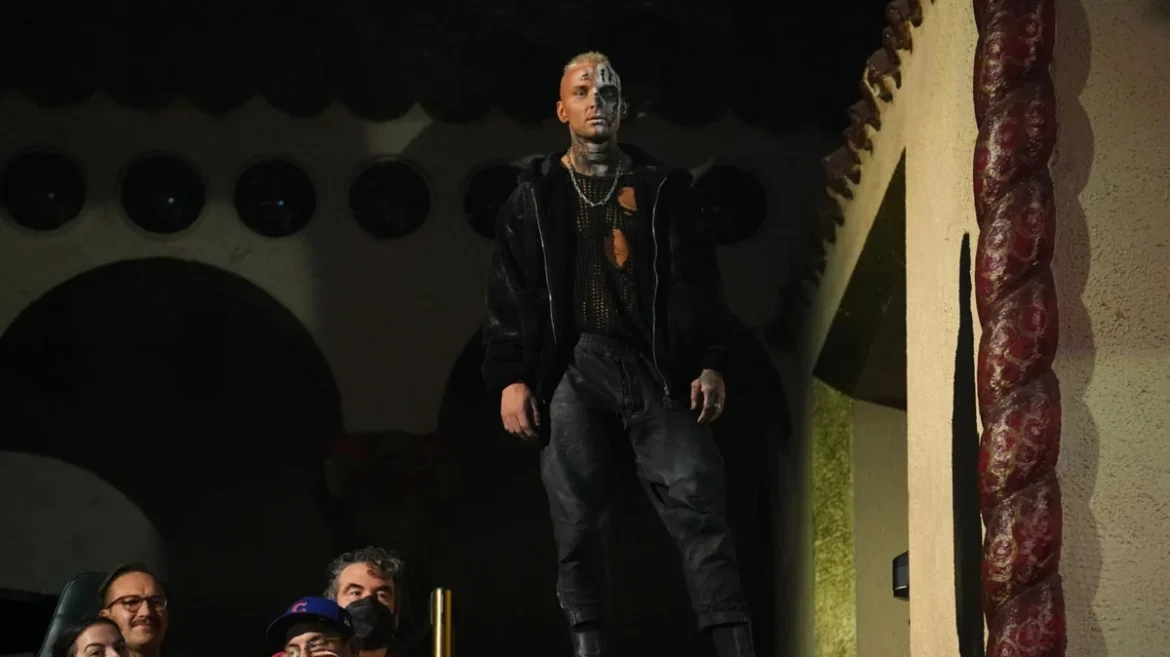
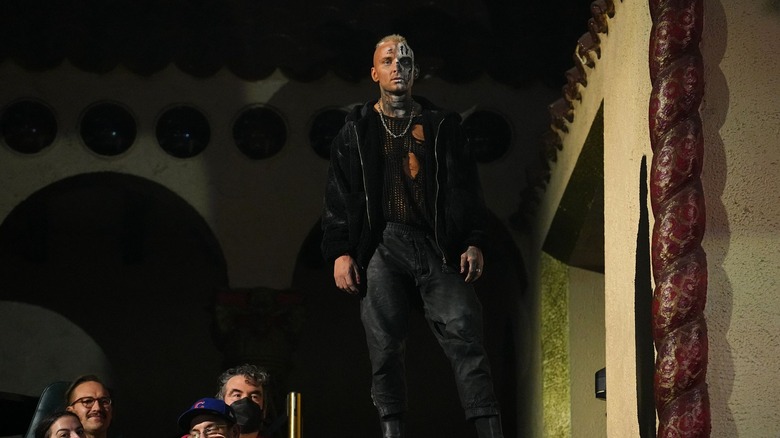
The air in the wrestling world, particularly within the burgeoning landscape of All Elite Wrestling, crackles with the residual energy of major events. Following a significant pay-per-view spectacle like Dynasty, the immediate follow-up episodes of their flagship program, Dynamite, become crucial crucibles. They are where the fallout is assessed, new narratives are seeded, and the direction of the promotion is clarified, or sometimes, muddied. This particular installment of Dynamite, airing in the wake of Dynasty’s dramatic conclusions, presented a compelling, albeit uneven, display of wrestling storytelling. It was a night that offered moments of genuine excitement and forward momentum, alongside segments that left seasoned observers questioning creative decisions and the overall trajectory of certain talents. From the immediate aftermath of a monumental championship change to the subtle yet significant character developments, the broadcast provided ample material for analysis, highlighting both the strengths and the potential pitfalls of AEW’s current creative output. The episode served as a microcosm of the promotion’s broader strengths: its willingness to embrace unconventional storytelling and its commitment to pushing established stars into new roles. However, it also exposed some persistent challenges: the need for clearer character motivations and the effective utilization of a deep, talented roster.
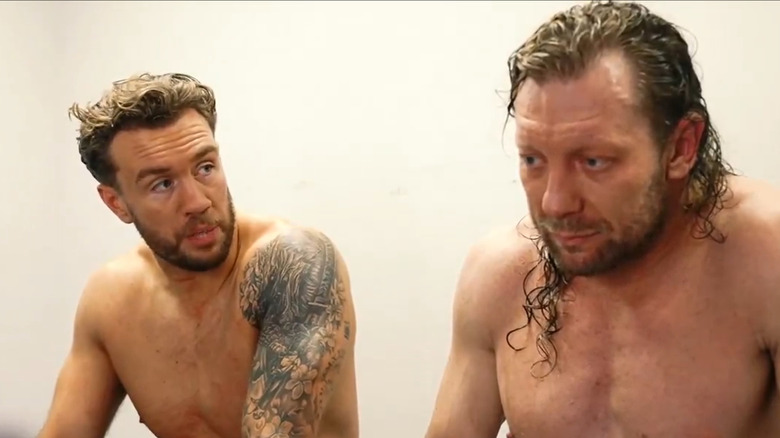
One of the most compelling narratives to emerge from the show involved the interaction between two titans of the industry, Kenny Omega and Will Ospreay. While both men had recently suffered significant championship losses – Omega falling short against MJF for the AEW World Championship and Ospreay being defeated by Jon Moxley for the Continental Championship – their segment, seemingly filmed in a medical bay, offered a profound moment of mutual respect and forward-looking projection. This wasn’t a typical backstage brawl or a heated verbal confrontation; rather, it was a deeply human exchange that resonated with the history of their rivalry. Ospreay, often portrayed as an arrogant prodigy, showed genuine admiration for Omega, acknowledging him as the blueprint for a generation of wrestlers and the man who carried New Japan Pro-Wrestling through a pivotal era. He reminded Omega of his own resilience and ability to rebound from setbacks, suggesting that his best days were far from over. Omega, in turn, offered a veteran’s validation to Ospreay, recognizing him as the future standard-bearer of world-class wrestling, a sentiment that had likely been a point of contention during their previous encounters. This exchange felt organic and earned, a stark contrast to many heavily scripted or overly produced segments. It allowed both performers to express vulnerabilities and aspirations that added significant depth to their characters. The implication of a potential future alliance or a continuation of their complex relationship, perhaps even a shared pursuit of championship gold down the line, left the audience invested. It was a testament to the power of nuanced character work and the ability of AEW to foster moments that feel both significant and authentic, a quality that often sets it apart from its competitors. This interaction, far from being a throwaway piece of content, served as a powerful character study and a compelling narrative thread that could be developed in numerous ways, whether through a continued mentorship, a tag team pursuit, or even a future titanic clash for the company’s ultimate prize.
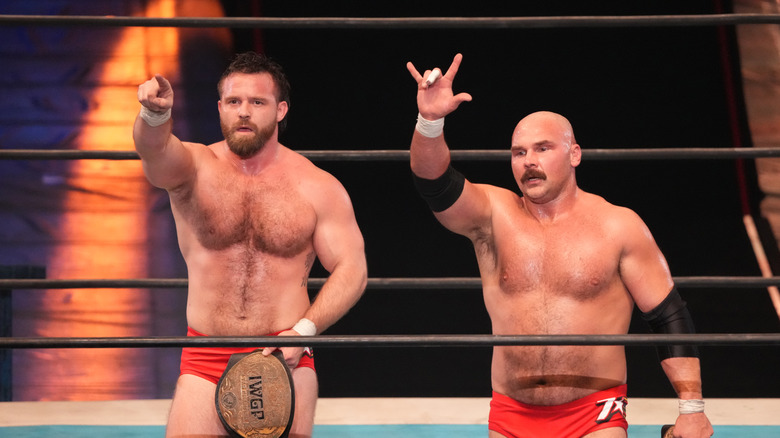
Conversely, a segment featuring the established tag team FTR left many scratching their heads, feeling like a missed opportunity and a drain on valuable airtime. Dax Harwood and Cash Wheeler, renowned for their in-ring prowess and traditionalist approach to tag team wrestling, found themselves in a segment that attempted a comedic beat but ultimately fell flat. The original intent appeared to be a playful jab at a more established tag team’s signature pose, but the execution was clumsy and lacked the natural charisma that FTR often displays in their wrestling. Instead of showcasing their formidable skills or engaging in a compelling promo that advanced their current storylines, the segment devolved into awkward banter and a half-hearted attempt at humor. This was particularly disappointing given FTR’s established talent for cutting sharp, impactful promos and their ability to generate genuine crowd reactions when given the right material. The segment felt uninspired, relying on a somewhat derivative comedic premise that failed to land. It underscored a recurring criticism that while FTR are exceptional athletes, their promo skills can sometimes feel forced or out of step with the more dynamic and edgy presentation of AEW’s top-tier talent. The sentiment expressed by some viewers was a simple one: FTR are at their best when they are allowed to simply wrestle, letting their in-ring storytelling speak for itself, rather than being shoehorned into sketches that don’t align with their established persona. This particular instance felt like a detriment to the show’s overall momentum, leaving viewers wishing for the team to be utilized in a manner that better reflects their undeniable talent and their position within the AEW roster. The segment felt like a placeholder, a moment that could have been dedicated to advancing a more compelling storyline or showcasing a different, more impactful aspect of the tag team division.
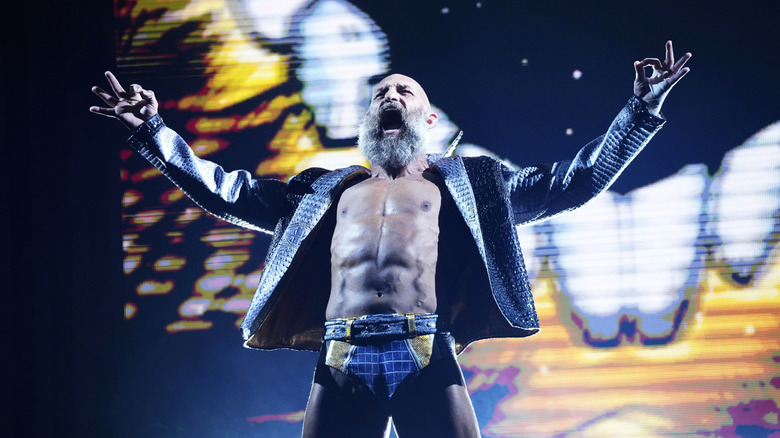
In a significant development that signaled a potential shift in the upper echelons of AEW’s male division, Tommaso Ciampa made a bold statement regarding his future aspirations. Following a solid, if unremarkable, victory over Dezmond Xavier, Ciampa seized the microphone with a declaration that left no room for ambiguity. He articulated his frustration with waiting, his belief that AEW is the premier destination for elite wrestling talent, and his ultimate goal: the AEW World Championship. This direct challenge, issued with characteristic intensity, immediately elevated Ciampa’s standing within the promotion. His previous tenure in WWE, while marked by considerable success, was also characterized by periods of underutilization. His arrival in AEW had been met with anticipation, and this promo served as a powerful reminder of his capabilities and his ambition. The prospect of a hard-hitting, deeply physical encounter between Ciampa and the newly crowned champion, Darby Allin, is incredibly exciting. While Allin’s reign is likely to be fraught with challenges, including potential rematches with MJF, the inclusion of Ciampa as a legitimate contender adds a compelling new dynamic. Ciampa’s assertion that he is aiming for the very top of the card suggests a strategic shift in his character, moving beyond his initial focus on mid-card championships. This positions him alongside established main event players like MJF, Adam Page, and Swerve Strickland, a testament to the creative team’s recognition of his talent and potential to draw. The short, sharp promo was remarkably effective, conveying a clear message and generating significant buzz for his future prospects. It demonstrated AEW’s ability to effectively integrate established talent and position them for significant opportunities, a crucial element in maintaining a vibrant and competitive roster.
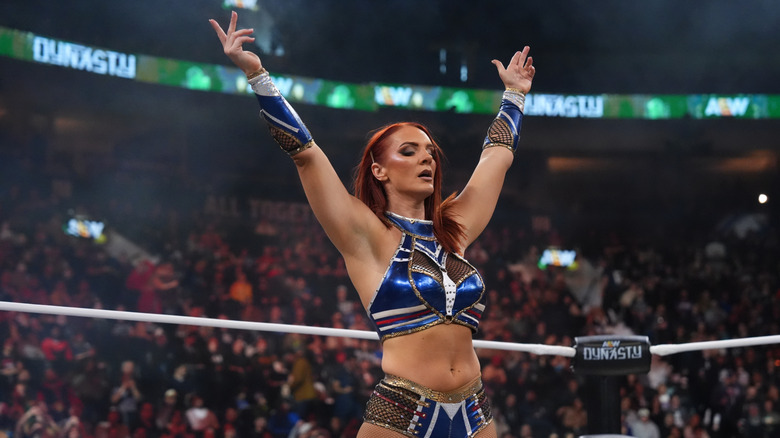
However, the return of Kamille after an extended absence of over 500 days did not generate the immediate impact many had hoped for, particularly following her post-Dynasty appearance where she confronted TBS Champion Willow Nightingale. While her targeting of Nightingale made a certain strategic sense in terms of gaining immediate attention and aligning with a prominent championship storyline, her subsequent performance and overall presentation on Dynamite were underwhelming. Despite her significant time away, Kamille failed to impress in her bout against Nightingale. Her in-ring style, while possessing a certain power-based foundation, did not showcase the dynamism or innovation that has become a hallmark of AEW’s women’s division. The emergence of other formidable talents like Megan Bayne and the continued development of Marina Shafir have arguably raised the bar for physically imposing female competitors within the promotion. From a kayfabe perspective, Kamille’s inability to secure a victory against a Nightingale who was visibly hampered by an injured shoulder further diminished her perceived threat. Her inability to execute her signature powerbomb, leading to a loss via a surprising backslide, painted a picture of a competitor who, despite her physical presence, lacked the decisive edge needed to contend for top championships. While Nightingale’s ongoing storyline, involving Hikaru Shida and Kris Statlander, continues to be a bright spot, Kamille’s immediate impact felt muted, leaving questions about her long-term role and how she will carve out a significant niche within AEW’s increasingly competitive women’s division. Her return, while anticipated, did not immediately translate into the formidable presence that many believed she could be.
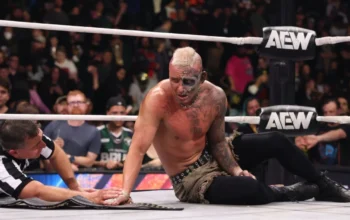
The crowning of Darby Allin as the new AEW World Champion was undeniably a monumental moment, one that felt both earned and exceptionally well-executed within the context of the show. Despite prior reservations about his suitability as the promotion’s top champion, the narrative presented on this particular Dynamite was compelling. The episode began with the dramatic revelation that MJF would indeed be defending his title against Allin, a stark contrast to his earlier pronouncements of taking a break from social media. This immediate shift set a tone of unpredictability. The subsequent segment, featuring a seemingly hesitant MJF attempting to delay the championship match, was masterfully undercut by Allin’s impassioned, tearful promo. His raw emotion and unwavering desire to hold the AEW World Championship resonated deeply with the audience, amplified by a backstage moment with a supportive Sting, who conveyed that "it was his time." This carefully constructed build-up culminated in the main event, where a visibly unprepared MJF attempted to rush through a victory, only to be thwarted by Allin’s resilience and tactical acumen. The swift and decisive nature of Allin’s win, utilizing his signature moves, was impactful. It was a story of an individual who had scaled literal and metaphorical mountains, finally reaching the pinnacle of the company he helped build. The visual of Sting embracing the new champion as the show concluded provided a powerful, storybook ending. Even for a critic of Allin’s championship reign, the execution of this particular narrative arc was undeniable. MJF’s performance as the desperate heel, reacting organically to the unexpected circumstances, was instrumental in amplifying the significance of Allin’s victory. His exceptional heel work, especially following his grueling encounter with Kenny Omega at Dynasty, provided the perfect foil for Allin’s triumphant moment, making the "feel-good" aspect of the win all the more potent.
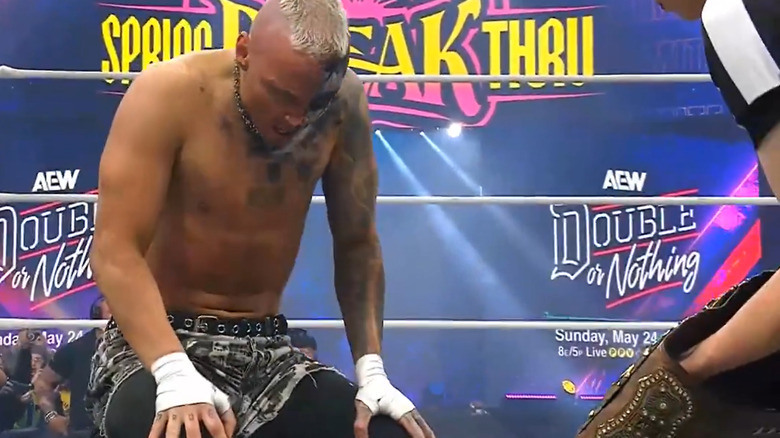
However, a dissenting perspective argued that Darby Allin’s ascent to the AEW World Championship felt somewhat contrived and perhaps even premature. The narrative surrounding his win, while emotionally charged, was perceived by some as an overt attempt to force fan investment. The emphasis on his hometown advantage, coupled with the heavy-handed emotional appeals and Sting’s endorsement, suggested a creative team that felt the need to manufacture a "moment" rather than letting it organically develop. Concerns were raised about Allin’s past controversies and his history with the promotion, suggesting that perhaps the timing wasn’t ideal for him to be positioned as the face of the company. The argument was made that if AEW intended to place their most prestigious championship on Allin, a more logical juncture would have been during his previous feud with Jon Moxley. The recent shift in focus towards the World Championship felt somewhat abrupt, and the decision to elevate him over a performer like Kenny Omega, especially with the looming presence of Will Ospreay, raised questions about the long-term strategic implications. The notion that AEW might have lacked confidence in Allin’s ability to draw as a World Champion, leading them to opt for a "feel-good" hometown victory, was posited as a potential motivation. The alternative scenario of building towards a pillar-focused confrontation between Allin and MJF at a later major event, such as Double or Nothing, was suggested as a more robust long-term strategy. While the immediate outcome was a triumphant moment for Allin, the underlying sentiment from this perspective was that the execution felt less like a natural progression and more like a calculated, perhaps even desperate, attempt to capitalize on fan sentiment. The rapid nature of the title change, while exciting, also raised questions about its sustainability and whether it truly represented the strongest possible direction for AEW’s premier championship.