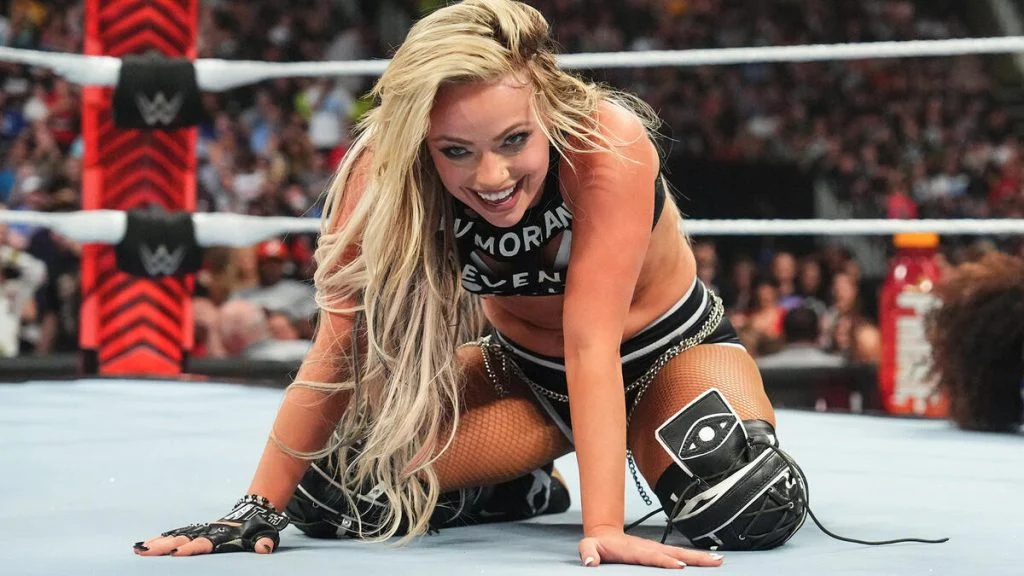
The glitz and glamour of professional wrestling, a world built on larger-than-life characters and captivating narratives, often casts a long shadow, extending beyond the squared circle and into the personal lives of its performers. For WWE Superstar Liv Morgan, this shadow manifested in a deeply unsettling and frightening experience that underscored the stark reality of living in the public eye. While the cameras capture every dramatic confrontation and triumphant victory, the constant exposure can unfortunately attract unwanted attention, blurring the lines between admiration and obsession. This particular incident, which involved a concerning encounter at Morgan’s residence, highlights the critical need for robust support systems and swift, decisive action from organizations like WWE when their talent faces genuine threats.
The unsettling events unfolded when Morgan was away from home, fulfilling her demanding professional obligations. Her family, including her mother, was present at the time, adding another layer of concern to the already distressing situation. A persistent individual, identified as a fan, managed to breach the security of her gated community. For an extended period, reportedly two hours, this person loitered outside Morgan’s home, exhibiting increasingly alarming behavior. The individual repeatedly rang the doorbell, surveyed the property with what appeared to be intrusive scrutiny, and even attempted to gain entry to the house, notably by searching for hidden keys. This prolonged and invasive presence created an atmosphere of fear and violation for those inside.
Upon her return, Morgan discovered the extent of the intrusion. A lengthy, two-page letter left behind by the individual painted a disturbing picture of delusion and misplaced affection. The contents of the note suggested the author harbored a profound misunderstanding of their relationship with Morgan, or perhaps believed themselves to be in one. The letter’s narrative was particularly unnerving, as it seemed to invert the reality of the situation, casting the author as the victim and Morgan as the aggressor, a clear indication of a warped perception. Thankfully, the physical safety of Morgan and her family was not compromised during the home invasion attempt, and no one was harmed. However, the psychological impact of such an invasion of personal space and the implied threat cannot be overstated.
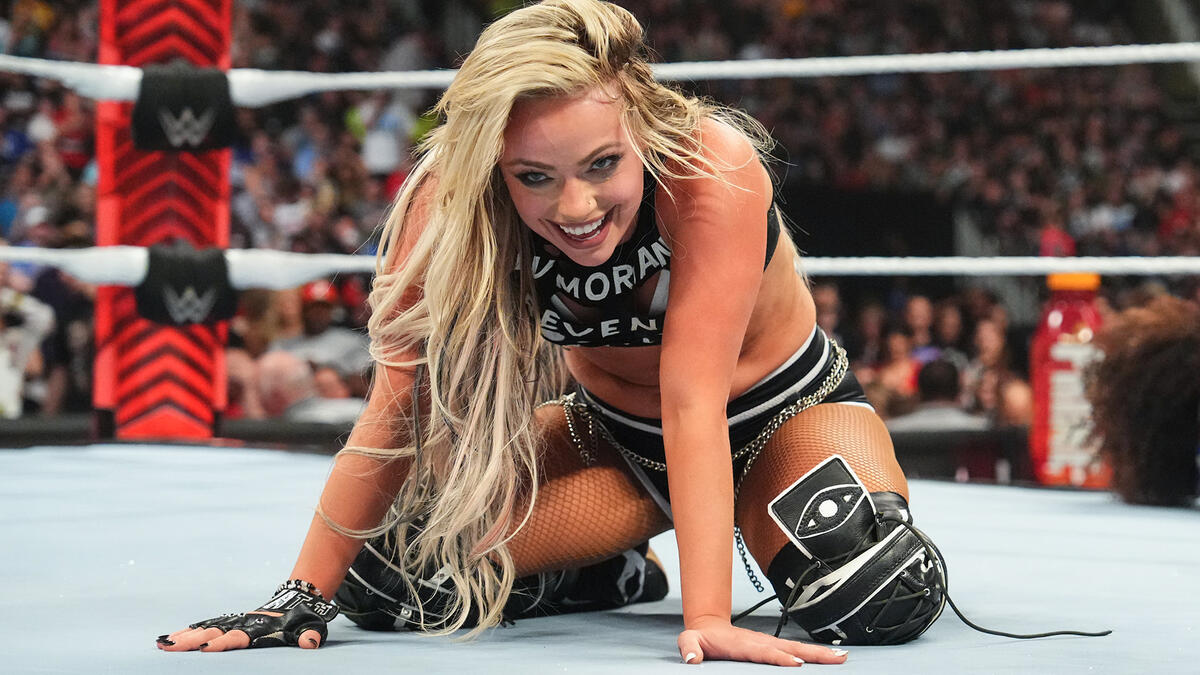
This alarming incident prompted Morgan to proactively inform WWE management. She recognized the gravity of the situation and understood that her employer had a responsibility to be aware of potential safety risks associated with her public profile. Her initial communication was intended to alert the company and perhaps explore measures for increased security at future events. However, WWE’s response was far more robust and immediate than Morgan might have initially anticipated, demonstrating a commitment to her well-being that extended beyond mere awareness.
Instead of simply acknowledging the report, WWE leadership immediately escalated the matter. They recognized that the individual’s actions constituted more than just overzealous fandom; the attempt to breach a private residence and the prolonged, invasive surveillance pointed towards a genuine threat. WWE officials made the crucial decision to involve law enforcement, specifically contacting the Federal Bureau of Investigation (FBI). This decisive action underscored the company’s understanding of the severity of the situation, classifying it not as a minor fan interaction but as a clear case of attempted illegal entry and a potential precursor to further harm.
The swift engagement of the FBI proved instrumental. The individual responsible for the incident was apprehended the following day. The arrest was made outside the WWE Performance Center, a location closely associated with WWE talent and operations, suggesting a continued fixation on Morgan and the wrestling world. Following his arrest, the individual was taken into custody and has remained detained since that time, awaiting the legal process. This period of detainment has lasted for several months, leading up to a court date that was anticipated to occur in 2026, a testament to the complexities of the legal proceedings and the ongoing nature of the case.
Reflecting on the ordeal in a candid conversation with Holly Madison on the "You Wish" podcast, Morgan offered a personal perspective on the unsettling events. She described the unnerving feeling of returning home to discover the extent of the attempted intrusion. The detailed account of the two-page letter, filled with bizarre accusations and distorted perceptions, highlighted the psychological distress such an encounter can induce. Despite the disturbing nature of the experience, Morgan expressed a remarkable sense of resilience. She stated that she did not feel afraid, a testament to her inner strength and perhaps the confidence she had in WWE’s swift and effective response.

Morgan’s perspective on the individual involved was notably empathetic. While acknowledging the seriousness of his actions and the necessity of his apprehension, she expressed a degree of pity for him. This sentiment, while perhaps surprising to some, speaks to a broader understanding of the potential mental health struggles that can underlie such obsessive behavior. It suggests a capacity to separate the actions from the individual, recognizing that underlying issues may be at play.
The incident serves as a stark reminder of the often-unseen challenges faced by individuals in the public spotlight. While professional wrestling demands a certain level of accessibility and engagement with the fanbase, there exists a critical boundary that must be respected. The actions of this individual crossed that boundary in a profoundly disturbing way, necessitating a strong and decisive response from all parties involved. WWE’s proactive engagement with law enforcement, particularly the FBI, demonstrated a commitment to protecting its talent from tangible threats. This level of corporate responsibility is crucial in an industry where the lines between performer and persona can sometimes become dangerously blurred in the minds of a few.
The legal proceedings stemming from this incident are ongoing, with the individual remaining in custody as the case progresses. The eventual outcome of the trial will undoubtedly be a significant development, but the immediate aftermath of the incident saw WWE taking decisive action to ensure Liv Morgan’s safety and to address the violation she experienced. This situation, while specific to Liv Morgan, resonates with the broader concerns of personal security for public figures across various industries. It underscores the fact that while wrestling provides entertainment, the individuals who bring these characters to life are real people with private lives that deserve to be protected from unwarranted intrusion and potential danger. The professional wrestling landscape, with its passionate fanbase, must always prioritize the safety and well-being of its performers, ensuring that the spotlight remains a source of inspiration rather than a beacon for those with harmful intentions.