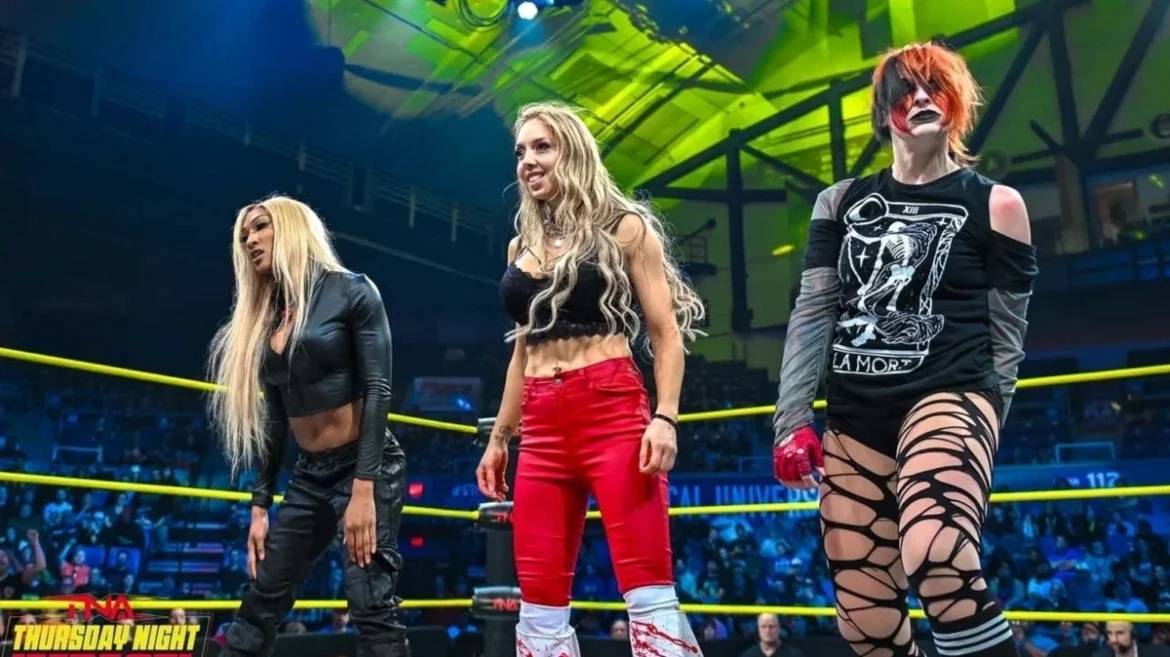
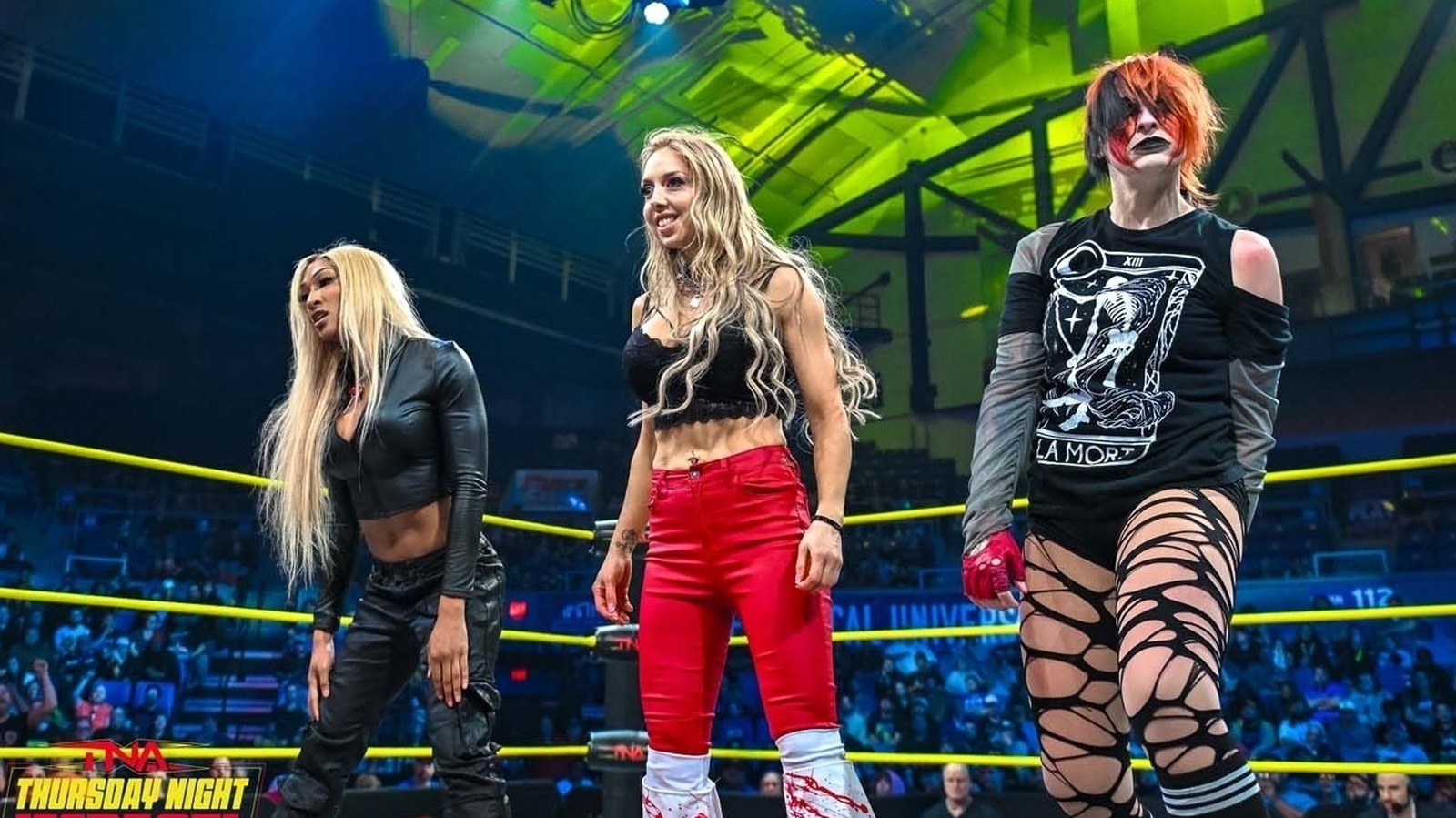
The echoes of TNA Rebellion still resonated as the company presented its latest broadcast of Impact, an episode primarily dedicated to charting the course toward its next major spectacle. The show saw the integration of familiar and new faces, with EC3 and KC Navarro making their presence felt, while the simmering animosity between Moose and the dominant faction known as The System was clearly slated for further escalation. While the broadcast leaned more heavily on spoken narratives than outright in-ring brawls, this strategic emphasis on storytelling proved to be a far from detrimental approach. This analysis delves into the varied reactions to the evening’s proceedings, offering perspectives on key matchups and narrative threads, including the much-anticipated confrontation between EC3 and Eric Young, as well as the continued exploration of the enigmatic Undead Realm. The sheer volume of content presented meant that certain segments were necessarily condensed, but the overall picture painted was one of forward momentum and intriguing plot developments.
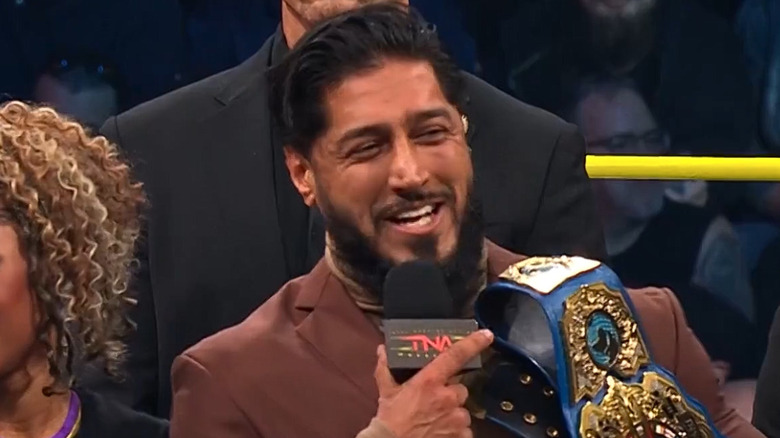
One of the most electrifying moments of the evening came from the newly crowned International Champion, Mustafa Ali. Ali, a wrestler whose technical prowess and innate charisma have long been recognized as top-tier assets within the TNA roster, had just captured the championship at the preceding Rebellion pay-per-view. His appearance on Impact was not merely a victory lap; instead, he used the platform to declare his intentions for his reign. Before his stablemate Tasha Steelz engaged in a singles contest against Jada Stone, Ali stood center ring, holding his newly acquired title. He then issued an open challenge, extending an invitation not only to any member of the TNA roster but also to independent wrestlers from across the globe to step forward and vie for his championship. This proclamation immediately broadened the horizon of potential challengers, opening the door for a diverse array of talent to make their mark. The independent wrestling scene is currently brimming with burgeoning stars, and when combined with Ali’s proven championship pedigree, an open challenge format promises a fertile ground for compelling contests. Furthermore, Ali’s explicit emphasis on the “international” aspect of his championship signifies a commitment to showcasing talent from beyond TNA’s immediate borders, a welcome development given the recent complexities in cross-promotional relationships. This initiative offers a beacon of hope that TNA will continue to provide a platform for emerging talent and unsigned performers worldwide.
The TNA roster itself presents a wealth of exciting possibilities for Ali’s championship defenses. The prospect of a rematch against Nic Nemeth, who himself is a formidable competitor, is an immediate draw. Alternatively, a title-for-title clash with the X-Division Champion Leon Slater would undoubtedly be a show-stealer, a contest that fans would eagerly anticipate. Even a significant championship opportunity for the popular duo BDE would be met with enthusiastic reception. The manner in which Ali delivered his challenge was particularly noteworthy. He articulated that, unlike some of his TNA colleagues who may rely on others for opportunities, he himself would be the architect of his reign, offering chances to those who dared to step up. While technically portraying a villainous persona, Ali’s exceptional communication skills and his undeniable in-ring ability make him a remarkably difficult performer to genuinely dislike. His open challenge serves not just as a plot device but as a statement of his champion’s mentality, one that embraces competition and elevates the standing of his championship by seeking out the best wherever they may be found. This strategy not only generates immediate buzz but also lays the groundwork for a series of high-stakes encounters that can elevate both the champion and the challengers.
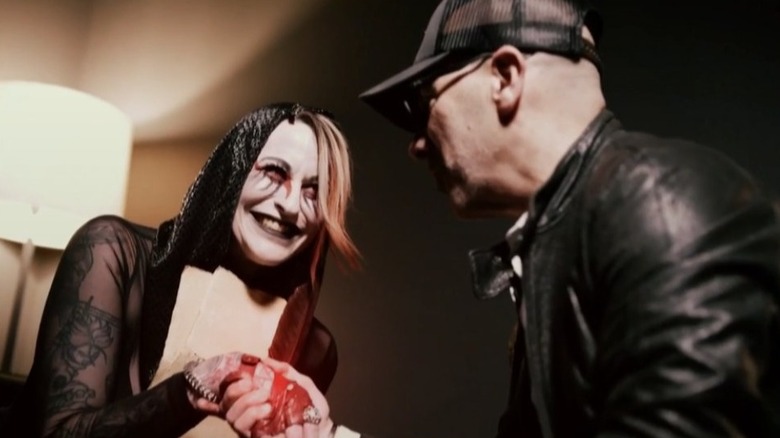
The thematic richness of the Undead Realm continued to captivate audiences, with this week’s installment marking a significant narrative shift. The vignettes, which have become a staple of TNA programming, offering a surreal and often unsettling glimpse into a supernatural dimension, have consistently left viewers yearning for more. This week’s segment, however, brought the otherworldly narrative back into closer proximity with the terrestrial realities of TNA, a move that was met with considerable approval. Rosemary, the enigmatic witch, has been on a profound journey, facing numerous trials and tribulations in her quest to retrieve her spiritual companion, Allie. This arduous path has been depicted through a series of seven distinct obstacles, each presenting unique challenges and offering glimpses of both resolution and tantalizing uncertainty about what lies ahead. Moments within these vignettes included poignant reunions with her former stablemates from Decay, Crazzy Steve and Abyss, as well as a surprising alignment between Abyss and Father James Mitchell, hinting at a potential path toward absolution. Even the unexpected appearance of Tessa Blanchard added another layer of intrigue. Each segment concluded with a lingering sense of anticipation, leaving viewers with the recurring question, "Is that all? We need more!" This narrative technique successfully recaptures the initial allure that drew many to TNA, fostering a sense of wonder and drawing parallels to the promotion’s earlier, more creatively daring storylines.
The commitment to producing these high-quality cinematic segments is a relief for many fans who harbored concerns that such supernatural elements might be phased out, particularly in light of TNA’s evolving partnership with WWE. The potential for restrictions on graphic content, such as excessive blood or overt violence, had led to speculation that the unique supernatural offerings might be curtailed. However, TNA has demonstrated a commendable dedication to preserving these distinctive narrative elements, proving that compelling storytelling can thrive within established parameters. The immediate question that arises from Allie’s return to her mortal form is whether this unholy reunion between her and Rosemary will face any external interference. The introduction of a potential "Undead Bride" figure looms as a fascinating possibility, adding another layer of mystery and potential conflict to their storyline. This ongoing narrative arc not only provides a unique selling point for TNA but also allows for creative exploration of complex themes within a wrestling context, demonstrating the promotion’s willingness to push boundaries and engage its audience on a deeper level. The continued success of these segments hinges on TNA’s ability to maintain this balance between the supernatural and the grounded realities of professional wrestling, ensuring that the Undead Realm remains a compelling and integral part of the ongoing narrative.
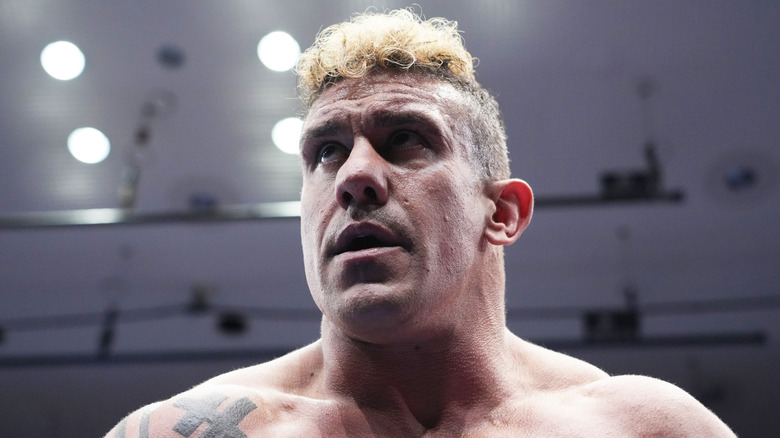
The much-anticipated return of EC3 to the TNA wrestling ring for an in-ring contest on Impact was a moment many had eagerly awaited. His opponent, Eric Young, a veteran with a storied history within TNA, made the matchup all the more compelling. However, the outcome of their bout, a decisive no-contest, proved to be a source of considerable disappointment. Having recently made a triumphant homecoming at TNA Rebellion, expectations were high for EC3’s subsequent match to be a showcase of his capabilities and a significant marker in his renewed tenure. Instead, the encounter was marred by premature interference. Young initiated an attack on EC3 during his entrance, quickly taking the fight outside the ring and demonstrating a clear intent to disrupt the proceedings. Once the action finally transitioned into the squared circle, Young applied a headlock, but EC3 managed to break free, delivering a clothesline and a Thesz Press. The subsequent moments devolved into chaos. An eye rake by Young led to EC3 inadvertently sending both Young and the referee tumbling to the floor. With the official incapacitated, additional referees rushed to the scene, ultimately declaring the match a no-contest. Undeterred, Young continued his assault on EC3, employing a clothesline and a brutal slam onto the steel steps, further exacerbating the animosity. The brevity of the match, lasting a mere three minutes, and the inconclusive finish left many questioning the booking decision. Unless this abrupt conclusion serves as a catalyst for a more significant stipulation match between Young and EC3, such as a steel cage encounter, the decision to end their highly anticipated return bout without a clear winner feels like a missed opportunity to solidify EC3’s resurgence and deliver a satisfying contest for the audience.
A notable absence that cast a shadow over the post-Rebellion episode was the conspicuous silence from key figures within the Knockouts division. Following a major pay-per-view event where championships changed hands, one would expect the newly crowned champions to be prominently featured, basking in their victories or engaging in interviews to build momentum for their reigns. However, the Knockouts World Champion Arianna Grace and the Knockouts World Tag Team Champions The Influence (Heather and Madison Rayne, although the original text incorrectly identifies them as "Heather by Elegance and M by Elegance") were nowhere to be seen. While other champions, such as TNA World Champion Mike Santana, X-Division star Leon Slater, and The System, the World Tag Team Champions, made appearances, the reigning Knockouts champions were conspicuously absent. This oversight raises questions about the immediate future of the Knockouts division and the direction TNA intends to take with its female talent. While it’s acknowledged that both championship pairings recently secured their victories, their absence from the flagship show immediately following their triumphs feels like a disservice to their accomplishments and a missed opportunity to generate excitement. The focus of the article then shifts to potential future challengers, highlighting Jada Stone as a strong contender for the Knockouts Championship and suggesting Xia Brookside as a potential heel champion, noting her recent interference in L daripada Y ing Lee’s quest for gold. For the tag team division, the prospect of Rosemary and Allie forming a partnership after Allie’s return from the supernatural realm is proposed as an intriguing possibility. The article also touches upon the controversial figure of Tessa Blanchard, acknowledging her past championship success but also the potential pitfalls of her involvement given her contentious history. This discussion, while speculative, underscores the feeling that the Knockouts division, despite its recent championship shifts, is currently lacking a clear narrative focus and prominent representation on the weekly broadcast.
In a refreshing departure from the conventional champion’s approach, TNA World Champion Mike Santana demonstrated a remarkable willingness to acknowledge and reward deserving challengers. In a segment that eschewed the typical adversarial champion-challenger dynamic, Santana’s promo saw him extend a direct invitation to Rich Swann for a TNA World Championship match. This gesture was a significant deviation from the norm in professional wrestling, where champions are often portrayed as reluctant defenders or solely focused on perceived threats. Santana’s challenge was unique and invigorating, imbued with a genuine sense of respect for Swann. The champion’s articulated admiration for Swann provided a credible and compelling reason for the challenge, moving beyond arbitrary selections from the roster. Swann’s response, characterized by his characteristic upbeat demeanor, further enhanced the segment, making it an enjoyable and captivating watch from beginning to end. This interaction not only injected fresh energy into the TNA World Championship picture but also introduced new contenders, addressing a perceived need for broader competition at the top of the card. It signaled a potential shift towards a more merit-based championship landscape, where a champion’s willingness to engage with a respected peer can generate significant goodwill and intrigue.
The recurring theme of TNA’s past casting a long shadow over its present was a point of contention. While the company has demonstrated a capacity for compelling modern storytelling, particularly through its supernatural vignettes, a significant portion of the broadcast seemed to rely heavily on retrospective content. The inclusion of highlight packages from past TNA events, especially in light of announcements made during the show, felt like a step backward. These compilations featured legendary figures such as Sting, Mick Foley, AJ Styles, Samoa Joe, Kurt Angle, James Storm, Bobby Roode, and Christian Cage, evoking nostalgia for a bygone era of TNA. While these moments are undeniably significant in the promotion’s history, their overemphasis felt like a substitute for developing current narratives and showcasing the existing talent pool. The article expresses frustration that, despite the presence of a wealth of talented individuals on the current roster, the programming often defaults to rehashing past glories. While Mike Santana holding the TNA World Championship is a positive step, the looming presence of The System as the primary antagonists and the limited scope of credible challengers, beyond Rich Swann, represent a bottleneck in narrative progression. Similarly, the article critiques the booking of Leon Slater, a wrestler lauded for his immense potential, being placed in a disadvantageous tag-team match against Moose and Cedric Alexander, alongside less experienced partners. The Knockouts division is also criticized for not living up to the standards set by previous eras, with a general critique of the current talent and their booking. The article further laments the perceived lack of proactive booking, citing the example of Daria Rae’s continued dominance due to Santino Marella’s absence. The overarching sentiment is that TNA is failing to fully capitalize on its current roster’s potential, instead opting for a reliance on past successes. This tendency, the article argues, hinders the promotion’s ability to establish a strong contemporary identity and attract new audiences, instead relegating it to a nostalgic echo of its former self. The suggestion is that a greater focus on original storytelling and the elevation of current talent would be far more beneficial than perpetual replays of historical moments.