The landscape of professional wrestling has always been defined by more than just what happens between the ropes, as the most enduring superstars are often those who can successfully navigate the intersection of athletics, drama, and multimedia branding. In the modern era, this transition from a traditional wrestler to a multidimensional entertainment force requires a level of fearlessness that few possess, yet Liv Morgan has consistently proven that she is willing to shatter expectations to evolve her persona. As the industry prepared for the monumental spectacle of WrestleMania 42, Morgan took a significant step in solidifying her status as a cultural lightning rod by releasing a project that many fans did not see coming. The debut of her music video for the track titled Trouble represents a pivotal moment in her career, marking a transition from a dedicated in-ring competitor to a rebellious creative force capable of commanding attention across various media platforms. This project was not merely a promotional tool for a new entrance theme but a calculated deep dive into the chaotic and unpredictable identity that Morgan has cultivated over several years of high-profile storytelling.
The genesis of this ambitious project was surprisingly organic, rooted in the practical needs of the WWE production team rather than a long-held aspiration for a music career. During a comprehensive look behind the scenes of her journey toward WrestleMania 42, Morgan shared the unexpected trajectory of how the song and its accompanying visuals came to fruition. According to the superstar, the initial spark was nothing more than a standard request for a fresh piece of entrance music to reflect the current state of her character. In the fast-paced world of sports entertainment, a change in music often signals a shift in a wrestler’s internal motivations or their standing within the roster hierarchy. When the company approached her with the idea of providing her own vocals for the track, Morgan faced a moment of professional uncertainty. She has never claimed to be a trained vocalist, yet her commitment to her craft and her willingness to embrace the uncomfortable led her to accept the challenge. This decision set off a chain reaction that transformed a simple recording session into a high-budget visual production that would eventually capture the imagination of the wrestling world.
As the recording process unfolded, the feedback from the creative team was overwhelmingly positive, leading to the suggestion that the track deserved more than just a digital release. The idea of a full-scale music video was pitched, complete with professional choreography and a narrative structure designed to mirror the destructive path Morgan had been carving through the women’s division. For Morgan, this was another leap into the unknown. She has spent years perfecting her timing and agility in a wrestling ring, but the structured world of professional dance was an entirely different discipline. Despite her self-admitted lack of experience in the realm of dance, she approached the rehearsals with the same tenacity that defined her rise from a member of the Riott Squad to a world champion. The resulting footage, which officially debuted on April 13, 2026, showcased a performer who was not afraid to look vulnerable or experimental in the pursuit of a larger artistic vision.
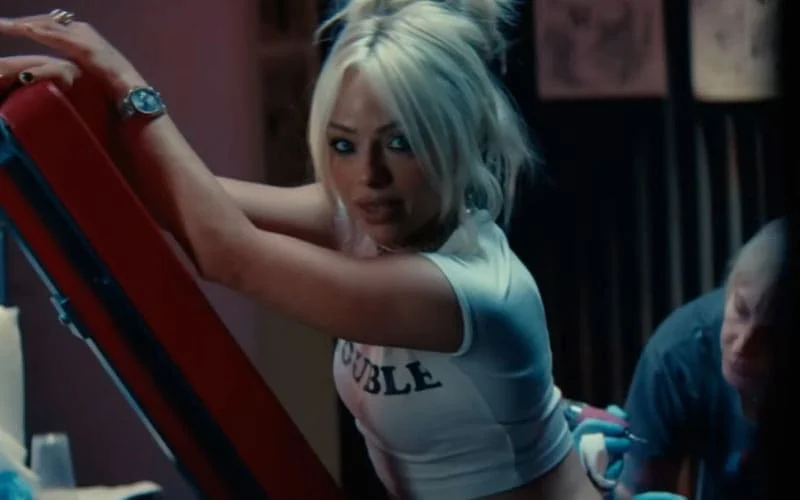
The visual narrative of the Trouble video is a stark departure from the polished, often sanitized imagery associated with many mainstream athletes. It opens with a visceral and aggressive tone, featuring Morgan dousing a vehicle in gasoline before igniting it, an act of metaphorical arson that perfectly encapsulates her desire to burn down her past and emerge as something more dangerous. The fire serves as a recurring motif throughout the video, representing the volatile nature of her current persona. As the video progresses, viewers are treated to scenes of Morgan in a tattoo parlor, further leaning into the gritty, counter-culture aesthetic that has become her trademark. These moments are interspersed with high-energy dance sequences featuring a troupe of backup performers, creating a juxtaposition between the raw, individualistic elements of her character and the professional gloss of a high-end music production. The choreography is used not just as a display of movement but as a way to project confidence and a sense of liberation, suggesting that Morgan is finally operating on her own terms, free from the constraints of traditional expectations.
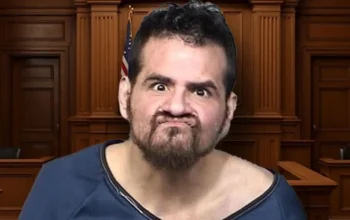
Perhaps the most talked-about sequence in the entire production occurs toward the end of the video, where the line between reality and scripted entertainment becomes intentionally blurred. The cameras follow Morgan as she is apprehended by law enforcement, culminating in a dramatic mugshot scene that immediately resonated with the audience. This was a masterclass in modern wrestling psychology, as it directly referenced a real-life legal incident involving Morgan that had previously gone viral across social media. By incorporating a stylized version of her own arrest photo into her fictional narrative, Morgan and WWE effectively reclaimed the conversation, turning a potential PR hurdle into a powerful storytelling device. This use of "meta" storytelling is a hallmark of the current era of professional wrestling, where fans are deeply attuned to the personal lives of the performers. By leaning into the "trouble" associated with her real-world persona, Morgan has created a version of herself that feels authentic, dangerous, and entirely unique in a roster filled with archetypal heroes and villains.
The timing of the video’s release was no coincidence, arriving just as the fervor for WrestleMania 42 reached its peak. In the weeks leading up to the biggest event on the sports entertainment calendar, every top-tier superstar looks for a way to differentiate themselves and capture the momentum needed to secure a career-defining victory. For Morgan, the Trouble project served as a force multiplier for her momentum. It provided a visual shorthand for her current state of mind, allowing fans to understand the stakes of her upcoming championship opportunity without a single word being spoken in a traditional promo. This type of character building is essential in an industry where the audience’s attention is constantly pulled in multiple directions. By expanding her presence into the world of music and visual art, Morgan ensured that her name was the one on everyone’s lips as they entered the stadium gates.
While the reaction to the video was naturally varied—as is often the case when a wrestler ventures into a new medium—Morgan has remained steadfast in her pride regarding the finished product. She acknowledged that the project took her far outside her comfort zone, forcing her to confront the insecurities that come with trying something entirely new on a global stage. This sense of personal accomplishment seems to outweigh any concerns about critical reception. For Morgan, the value of the experience lay in the growth it required and the opportunity to express a different side of her personality that the wrestling ring cannot always accommodate. This mindset is indicative of a veteran performer who understands that longevity in the business is tied to a willingness to take risks, even if those risks don’t always land with every segment of the audience.
From a broader perspective, the creation of Trouble highlights the evolving philosophy of WWE’s talent development. The company is no longer just looking for people who can execute a perfect suplex; they are looking for brands. Morgan’s foray into music is a blueprint for how modern stars can leverage their platform to build a multifaceted career that extends far beyond their physical prime. We have seen this before with icons like John Cena, whose hip-hop album became a cornerstone of his early success, or Chris Jericho, who has balanced a legendary wrestling career with fronting a successful rock band. Morgan is now carving out her own space in that lineage, proving that the women’s division is just as capable of producing crossover stars who can move the needle in the music and fashion industries.
The themes of chaos and rebellion explored in the video are not just aesthetic choices; they are a reflection of the narrative arc Morgan has been following for years. She has transitioned from the "Miracle Kid" who fought with a heart-on-her-sleeve underdog energy to a woman who has been hardened by betrayal and the relentless pressure of the spotlight. The arson, the tattoos, and the defiance toward authority depicted in the music video are the culmination of that journey. It suggests a character who has stopped asking for permission and has started taking what she believes she is owed. As she heads into WrestleMania 42, this version of Liv Morgan is the most formidable she has ever been, armed with a visual identity that is as loud and disruptive as her actions in the ring.
Ultimately, the Trouble music video is a testament to the power of creative collaboration between a performer and a promotion. It required a significant investment of time, money, and creative energy from WWE, signaling their immense faith in Morgan as a cornerstone of the company’s future. For the fans, it offers a deeper look into the psyche of a woman who has become one of the most relatable yet enigmatic figures in the sport. Whether she is standing in the center of the ring or in front of a camera lens, Morgan continues to prove that she is a master of reinvention. As the dust settles on the release of the video and the focus shifts back to the championship gold at stake during WrestleMania weekend, one thing is certain: Liv Morgan has successfully redefined what it means to be a "troublemaker" in the world of professional wrestling, and the industry is better for it. The project stands as a bold statement of intent, a declaration that she is not content with being just another name on the card, but is instead determined to be a cultural phenomenon that cannot be ignored. Through the smoke and the fire of her latest creative endeavor, the path forward for Morgan is clearer than ever, paved with the wreckage of tradition and the bright lights of a superstar who has finally found her true voice.